Johannesburg – The Gauteng Province will host the Climate Change Indaba (Conference) on Wednesday, 27 November 2024.
With the theme “Overcoming Barriers to Climate Finance and Implementation of Climate Action,” the meeting will take place at the Birchwood Hotel and OR Tambo Conference Centre, located in the East Rand.
The devastating effects of climate change have necessitated the need for Gauteng Province to take a leadership role in addressing the issue.
“We are developing climate policies, establishing institutional mechanisms, and implementing various climate change programmes,” said the Gauteng Department of Environment in a recent announcement.
The Gauteng Climate Change Indaba is being hosted by the office of Gauteng Premier Panyaza Lesufi.
It aims to engage stakeholders in seeking solutions for a low-carbon socio-economic development system and building a climate-resilient Gauteng City Region.
The focus of the Gauteng Climate Change Indaba will be on overcoming barriers to climate finance and implementing climate action initiatives.
Gauteng’s economy is vulnerable to climate change and has recently faced challenges such as droughts and floods, which have negatively impacted agricultural production, human settlements, and public infrastructure.
As a result, climate change poses a significant threat to Gauteng’s socio-economic well-being and food security.
This Climate Change Indaba is responsive to the introduction of South Africa’s Climate Change Act 22 of 2024 in July, which aims to facilitate an effective climate change response and promote a long-term, just transition to a low-carbon and climate-resilient economy.
The Climate Change Act also adheres to Section 24 of South Africa’s Constitution, which stipulates, “Everyone has the right to an environment which is not harmful to their health and well-being.”
The local residents also have the right to have the environment protected for the benefit of present and future generations through reasonable legislative measures that secure ecologically sustainable development while promoting justifiable economic and social development.
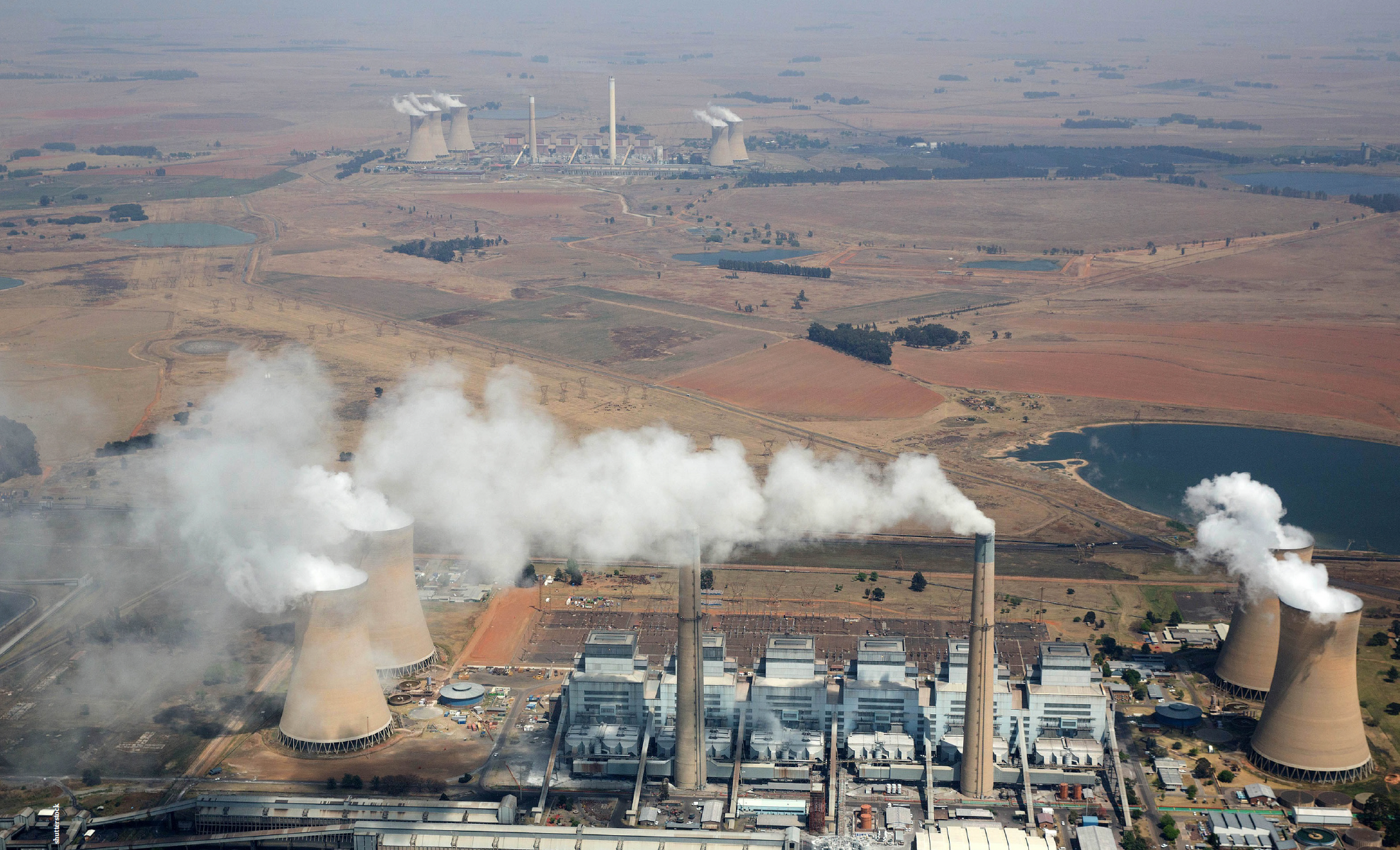
Meanwhile, Gauteng, as South Africa’s industrial powerhouse, relies heavily on carbon-intensive energy, making it a significant contributor to carbon emissions.
The newly established Gauteng Department of Environment is responsible for coordinating and tracking the Climate Change Implementation Plan.
It also records in the provincial register, the progress on the province’s 104 low-carbon economy projects, including initiatives to strengthen Gauteng’s resilience to climate change.
The causes of Gauteng’s carbon emissions include carbon-linked energy use, traffic congestion caused by uncoordinated and disintegrated public transport, an increase in private vehicle use and poor rail transport, burning of polluting fuels such as coal, wood, etc., in about 90% of the households in socio-economically deprived areas.
Many sectors of the Gauteng economy, including private and government agencies (e.g.) Gauteng Department of Economic Development, are increasingly funding and using solar, wind, and even geothermal clean energy to reduce carbon emissions.
The current, but due for revision, Gauteng target for carbon emissions reduction is 139 – 215 metric tonnes of carbon dioxide equivalent, annually.
About the writer: Emmanuel Koro is a Johannesburg-based international award-winning journalist who writes independently on environmental and developmental issues in Africa.