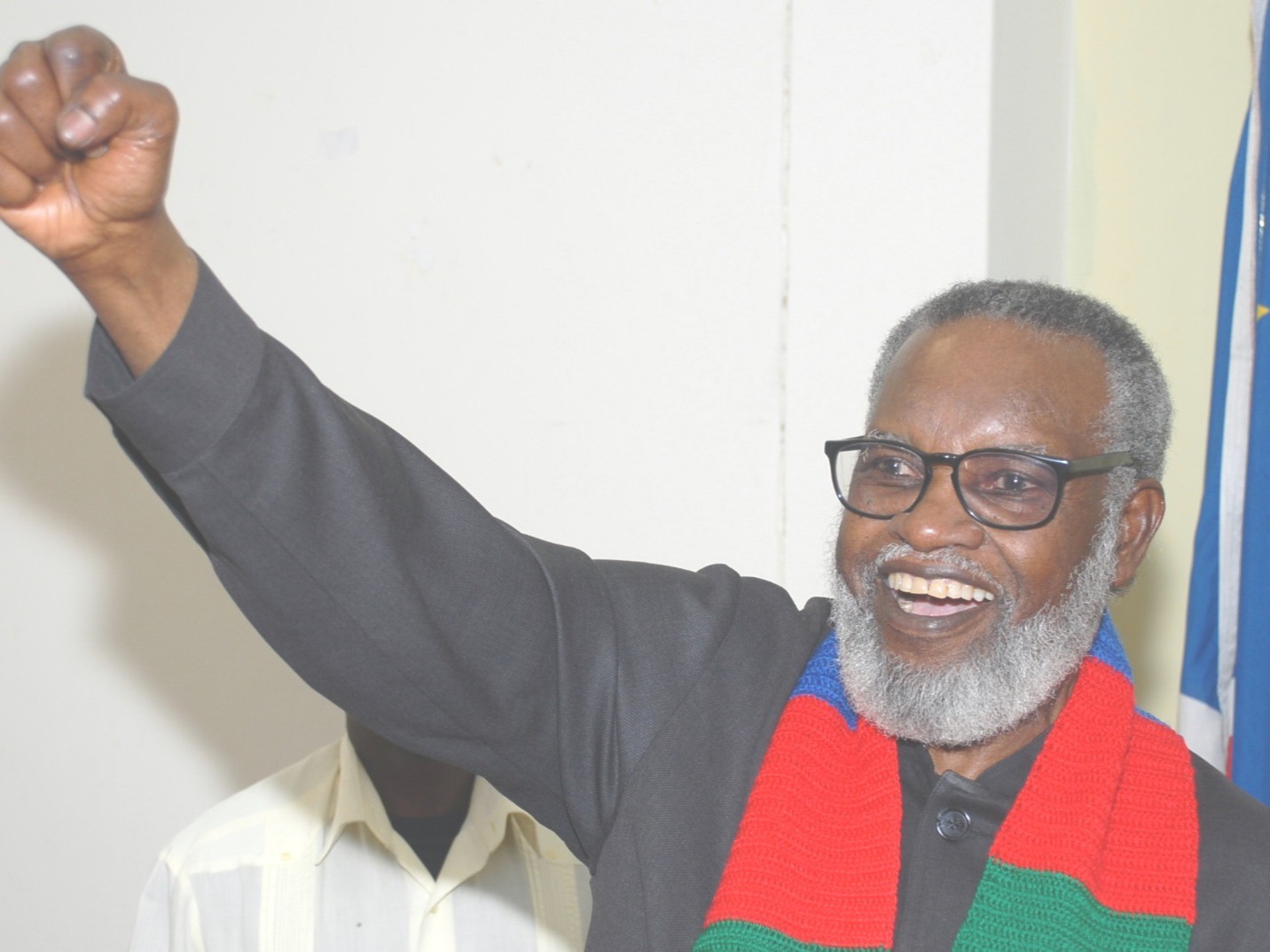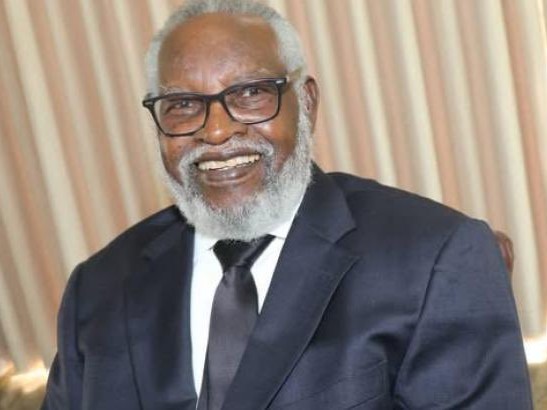
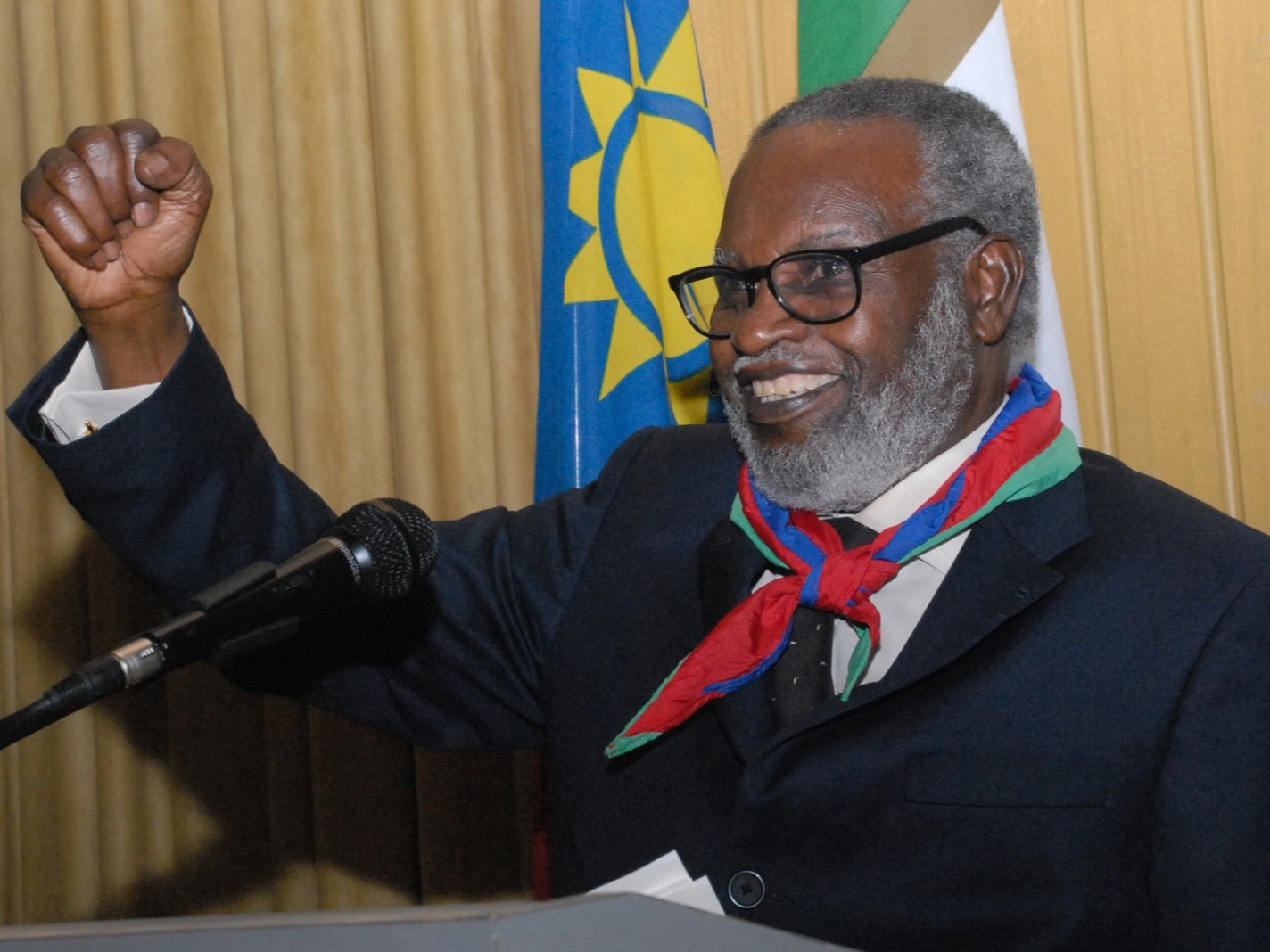
Windhoek – Sam Nujoma, the icon of Namibia’s liberation struggle and the south-western African country’s first president has died at the age of 95.
Namibian head of state Nangolo Mbumba announced on Sunday, (9 February 2025, that Nujoma, a co-founder of the ruling SWAPO party in 1960 and a man revered as the founding father of Namibia had succumbed to illness.
Nujoma died on Saturday, (8 February 2025), at 23h45 at a Windhoek hospital, where he had been receiving medical attention for the past three weeks.
Nujoma led the long fight for independence from South Africa in 1990.
“The foundations of the Republic of Namibia have been shaken,” President Mbumba said.
“Over the past three weeks, the Founding President of the Republic of Namibia and Founding Father of the Namibian Nation was hospitalized for medical treatment and medical observation due to ill health.
“Unfortunately, this time, the most gallant son of our land could not recover from his illness.”
On 4 February 1994, Namibia lost its then-sitting President Hage Geingob who succumbed to cancer.
Maximum Leadership
Mbumba said that as Founding President, Nujoma provided maximum leadership to independent Namibia and spared no effort to motivate every Namibian to build a country that would stand tall and proud among the nations of the world.
Nujoma retired as head of state in 2005, but continued to lead the party before stepping down in 2007 as president of the ruling Swapo party after 47 years at the helm.
“Our Founding Father lived a long and consequential life during which he exceptionally served the people of his beloved country,”‘ Mbumba said.
“Our Founding Father heroically marshalled the Namibian people during the darkest hours of our liberation struggle until the attainment of freedom and independence on the 21st of March 1990.
“Dr. Nujoma did not only blaze the trail to freedom – but he also inspired us to rise to our feet and to become masters of this vast land of our ancestors.”
On Sunday morning tributes to the late icon began to pour in, led by the incoming Namibian President Netumbo-Nandi-Ndaitwah who assumes office on March 21.
Dedicated To Liberation
Nandi-Ndaitwah, Namibia’s current Vice-President, said Nujoma’s visionary leadership and dedication to liberation and nation-building laid the foundation for our free, united nation.
Leader of Namibia’s main opposition party, the Independent Patriots for Change (IPC), Panduleni Itula said Nujoma’s death had shaken Namibia’s foundation of democracy and independence.
“But I have no doubt that Namibians of all walks and all ages and generations will hold hands together in memory of our fallen commander-in-chief and remember him for the strength and tenacity and perseverance and consistency in the leadership he’s demonstrated,” Itula said.
South African President Cyril Ramaphosa paid tribute to Nujoma, describing him as an “extraordinary freedom fighter who divided his revolutionary programme between Namibia’s own struggle against South African colonialism and the liberation of South Africa from apartheid.”
“Sam Nujoma inspired the Namibian people to pride and resistance that belied the size of the population. Namibia’s attainment of independence from South Africa in 1990 ignited in us the inevitability of our own liberation,” said President Ramaphosa.
“President Nujoma’s leadership of a free Namibia laid the foundation for the solidarity and partnership our two countries share today – a partnership we will continue to deepen as neighbours and friends,” Ramaphosa said.
African Union Commission chairman Moussa Faki Mahamat described the last Nujoma as “the epitome of courage, never wavering from his vision for a free Namibia and a unified Africa”, while Kenyan President William Ruto said he was a “visionary leader who dedicated his life to the liberation and development of his country”.
30 Years In Exile
Nujoma spent nearly 30 years in exile as the leader of its independence movement before returning for Parliamentary elections in late 1989, the first democratic vote in the country.
He was elected president by lawmakers months later in 1990 as Namibia’s independence was confirmed.
Nujoma was the last of a generation of African leaders who brought their countries out of colonial or white minority rule that included South Africa’s Nelson Mandela, Zimbabwe’s Robert Mugabe, Zambia’s Kenneth Kaunda, Tanzania’s Julius Nyerere and Mozambique’s Samora Machel.
Many Namibians credited Nujoma’s leadership for the process of national healing and reconciliation after the deep divisions caused by the independence war and South Africa’s policies of dividing the country into ethnically based regional governments, with separate education and health care for each race.
Nujoma was often branded as a Marxist and accused of ruthless suppression of dissent while in exile. He built strong ties with North Korea, Cuba, Russia and China, some of which had supported Namibia’s liberation movement by providing arms and training.
But he balanced that with outreach to the West, and Nujoma was the first African leader to be hosted at the White House by former U.S. President Bill Clinton in 1993.
Clinton called Nujoma “the George Washington of his country” and “a genuine hero of the world’s movement toward democracy.”