Port Sudan – Health facilities attacked or looted, health personnel displaced, ambulances blocked or destroyed – nearly two years of the armed conflict in Sudan have had a devastating impact on healthcare.
Some 80% of health facilities in most conflict-affected areas closed their doors, meaning that many Sudanese people must travel long distances, often taking significant risks, to reach a hospital.
The remaining facilities have severe medical supply shortages and a lack of skilled nurses and doctors.
The lack of safe and secure access to referrals is another important challenge.
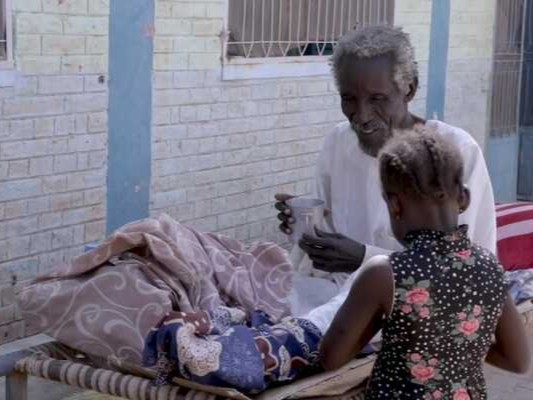
“I wish I could walk on my leg again, but that’s impossible now. The main reason my leg was amputated was the lack of available treatment. We have no access to medicine,” said Mutzamil, a Khartoum resident receiving medical treatment at Atbara Teaching Hospital.
When the conflict began, the International Committee of the Red Cross (ICRC) started delivering emergency medical supplies.
Since the beginning of last year, it delivered supplies to 88 hospitals across Sudan.
The supplies were used to treat more than 22 000 weapon-wounded patients, however, there remain many people in need of medical care.
Earlier this year, an ICRC mobile surgical team deployed to Atbara Teaching Hospital treated 150 war-wounded patients.
Atbara is a town of some 100 000 inhabitants, 300 km north of Sudan’s capital, Khartoum. Khartoum has recently experienced heavy fighting.
“We had a lot of displaced people coming from Khartoum and other places, but also a lot of displaced doctors and nurses,” said Dr. Maurice Ilboudo, ICRC surgeon working in Atbara.
The ICRC continues to remind the parties of their obligations under the laws of war, and international humanitarian law to ensure medical facilities, vehicles, and personnel are protected and can carry out their life-saving work.