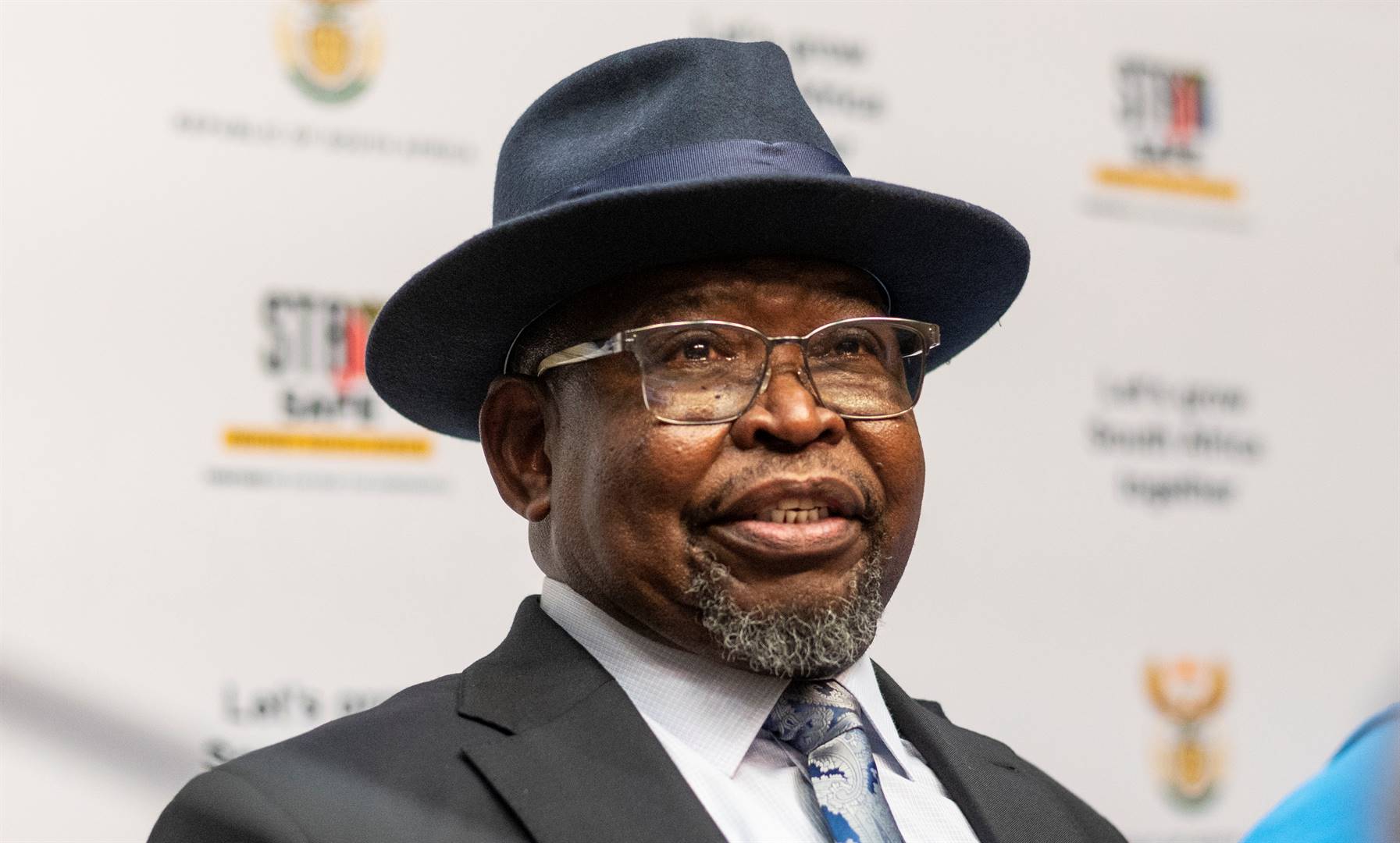
Johannesburg – Business Leadership South Africa (BLSA) has commended the approach taken by Finance Minister Enoch Godongwana in his budget proposal, which enables the government to continue focusing on improving service delivery and driving ahead with the structural reforms.
The third iteration of the 2025/26 Budget maintains the expenditure trajectory presented in the 19 February 2025 budget, despite the absence of R75bn that the rejected VAT increases would have generated.
BLSA CEO Busisiwe Mavuso said: “Given the difficult circumstances and having to produce three versions of the 2025/26 Budget, BLSA believes this is a good outcome.
“The latest budget tries to incorporate the needs of all spheres of society.
“However, it is also a stark reflection of the perilous state our economy and the difficult reform work we have ahead.”
Finance Minister Godongwana slashed additional spending over the medium term by R68bn, emphasising that baseline spending allocations across all spheres of government remained largely unchanged.
BLSA said this approach will enable faster economic growth over the long term.
To address the R75bn VAT revenue shortage, there is a hefty increase in the fuel levy of 16c/litre for petrol and 15c/litre for diesel, which is the first in three years, but will further strain the economy.
Expected to generate R3.5bn in 2025/26, it will hit low-income households the hardest and strain consumer spending.
For further revenue increases, Minister Godongwana has allocated an additional R7.5bn to the South African Revenue Service (SARS) to increase its effectiveness in collecting more revenue.
SARS has indicated that this allocation could raise R20bn to R50bn in additional revenue a year.
Part of the additional allocation to SARS will be used to improve modernisation and this will include targeting illicit trade in tobacco and other areas, which should boost revenue over the medium term.
In that light, BLSA said it strongly commends Minister Godongwana’s formal expenditure reviews undertaken by National Treasury, assessing spending from as far back as 2013 to identify waste and inefficiencies.
They found potential savings of R37.5bn through improved oversight and operational changes.
The minister also said underperforming programmes would be closed as the 2026 MTEF budget process undergoes redesign.
“We need more of this,” said Mavuso, adding, “particularly an assessment of all state entities.
She said South Africa needs a dispassionate assessment of the return on investment that each entity brings, using proven tools to measure the value of social impact, with some tough decisions to be made.
“A more streamlined, efficient state will contribute significantly to a well-functioning economy,” Mavuso said.
The R1tn allocation over three years on critical infrastructure is retained, which BLSA said was important to support many of the above reforms and lift growth prospects.
“Overall, the fiscal trajectory remains largely intact, though the debt ratio does increase slightly due to lower GDP,” BLSA said.
“It is important for the country’s credibility that we stick to this, particularly at a time when credit ratings agencies are starting to improve their assessments of SA’s outlook, a small but important step before the actual credit ratings start to climb out of sub-investment grade status.”
In 2025/26, government debt is projected to stabilise at 77.4% of GDP, up 1.2% from the March 12 budget projection.
RELATED: Budget 3.0 Largely Welcomed: No VAT Hike, General Fuel Levy Goes Up Next Month – The Bulrushes