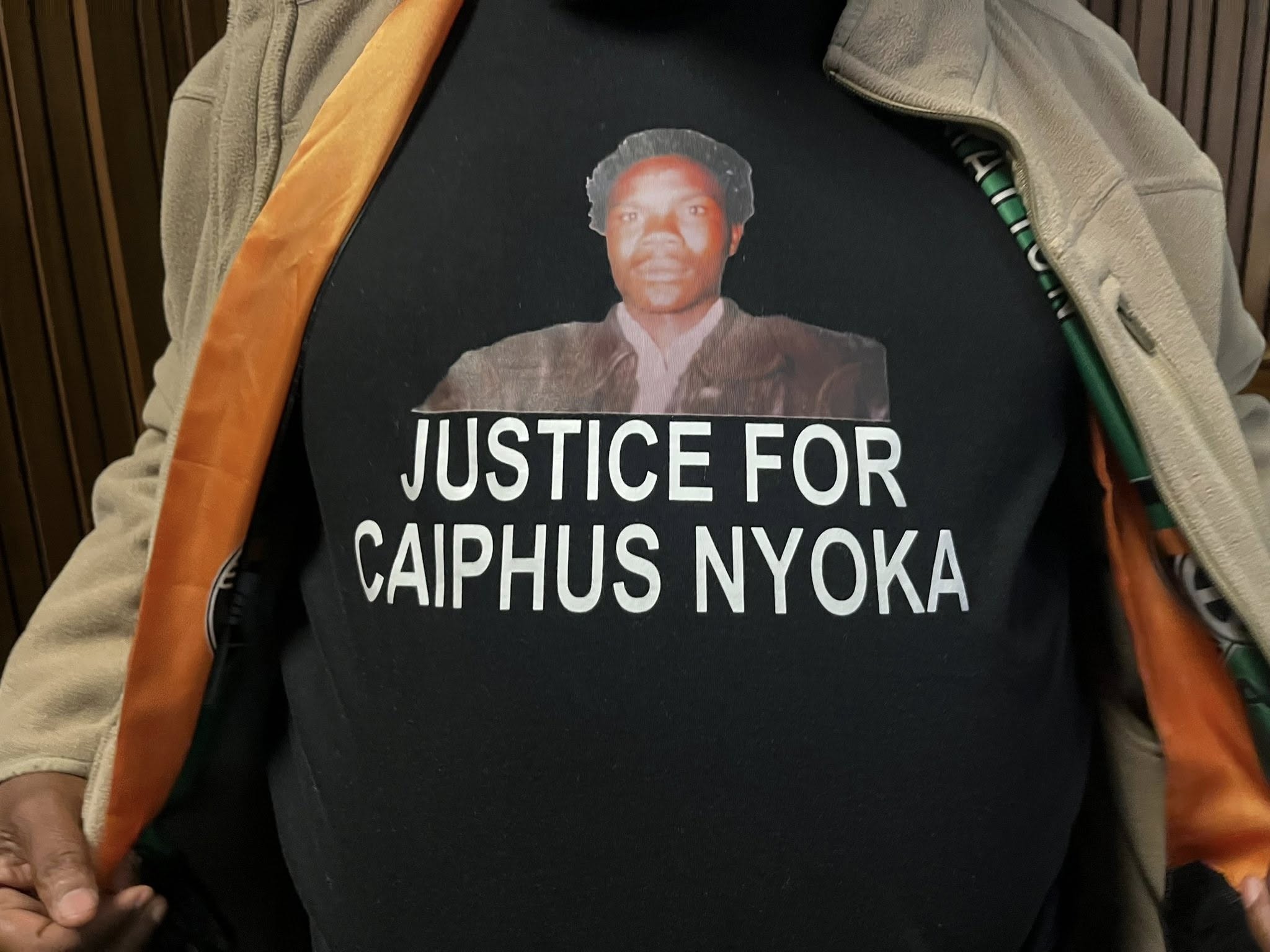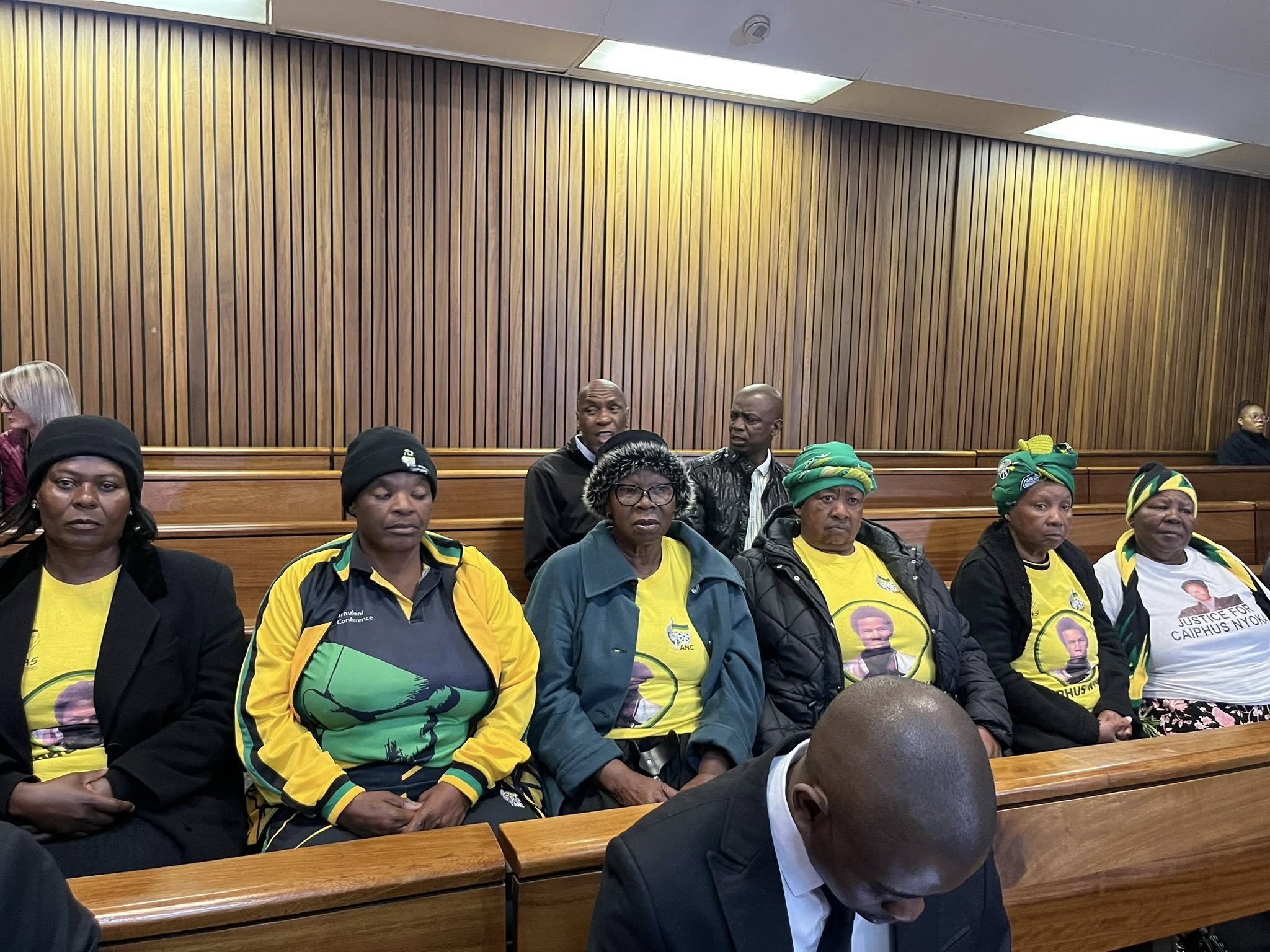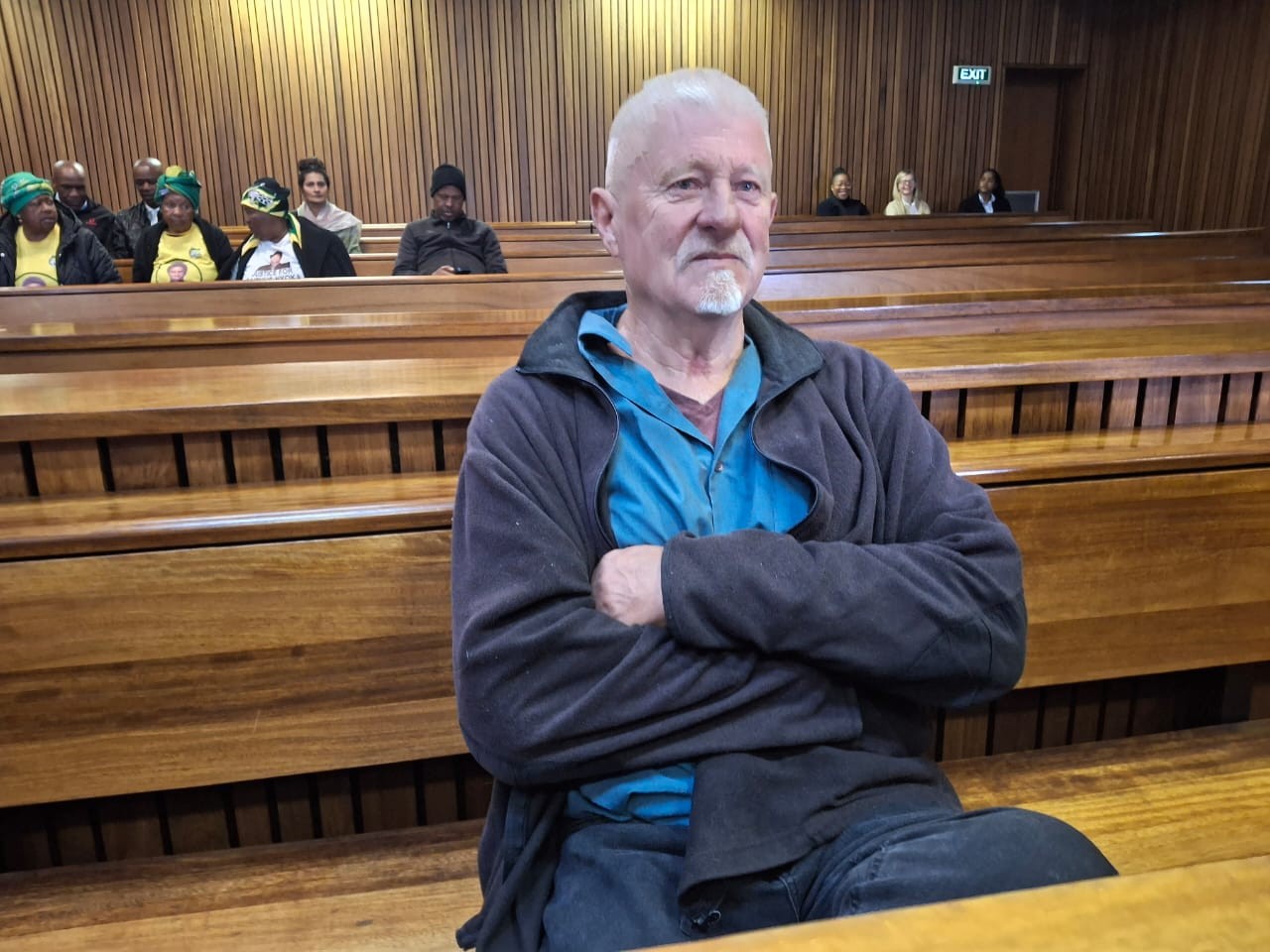
Pretoria – Apartheid police officer, 66-year-old Johan Marais, who pleaded guilty to the premeditated murder of student activist Caiphus Nyoka, has been sentenced to 15 years in prison by the Pretoria High Court.
Nyoka, a member of the Congress of South African Students (COSAS), was murdered at his home by apartheid agents in August 1987.
At the time of his death, Nyoka was a member of the Congress of South African Students.
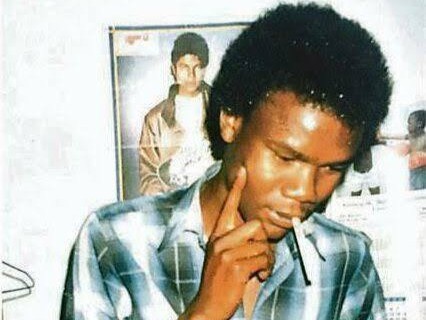
Fiercely opposed to apartheid, Nyoka was also the organiser for the South African Youth Congress Organiser in the East Rand.
In addition, Nyoka was the president of the Student Representative Council at Mabuya High School.
Evidence before the court proved that on the evening of 23 August 1987, Marais and some of the members of the security branch and other units within the South African Police met to discuss a plan to kill Nyoka.
The apartheid enforcers hatched a plan to raid Nyoka’s home under the then commanding officer, Major Leon Louis van den Berg, who is also charged separately.
In the early hours of 24 August 1987 at about 02h30, Marais, together with Sergeant Pieter Stander, Sergeant Abram Hercules Engelbrecht, and other members of the Reaction Unit, arrived at Nyoka’s homestead and stormed Nyoka’s room.
They found him sleeping with three of his friends.
After identifying him, they removed the friends from the room and proceeded to shoot him nine times.
Nyoka died on the scene.
During the sentencing arguments, Marais told the court that he committed the offence 37 years ago under the instructions of the apartheid regime.
He further asked the court for a sentence of correctional supervision because of his age, medical condition, and that he showed remorse for his actions.
However, the team of prosecutors, Advocate Esther Dlelwani Kabini, Advocate Daniel Desi Mogotsi, and Advocate Vhulahani Lucus Nesengani Davhana, asked the Court to impose a stringent sentence.
The co-accused are still standing trial for the same matter at the Pretoria High Court sitting in Benoni.
The court heard that the apartheid police officers targeted Nyoka, isolated him from the friends he was with, and shot him dead.
Furthermore, the prosecution team argued that Marais’s plea of guilty does not mean he has shown true remorse because even after 37 years, he still has not apologised to the family.
When handing down the sentence, Judge Papi Mosopa agreed with the state that Marais lacked genuine remorse.
The accused only wrote the letter to the family as a mitigating factor.
Marais, who did not testify or seek amnesty before the Truth and Reconciliation Commission (TRC), the restorative justice body assembled in 1996, has refused to implicate his co-accused.
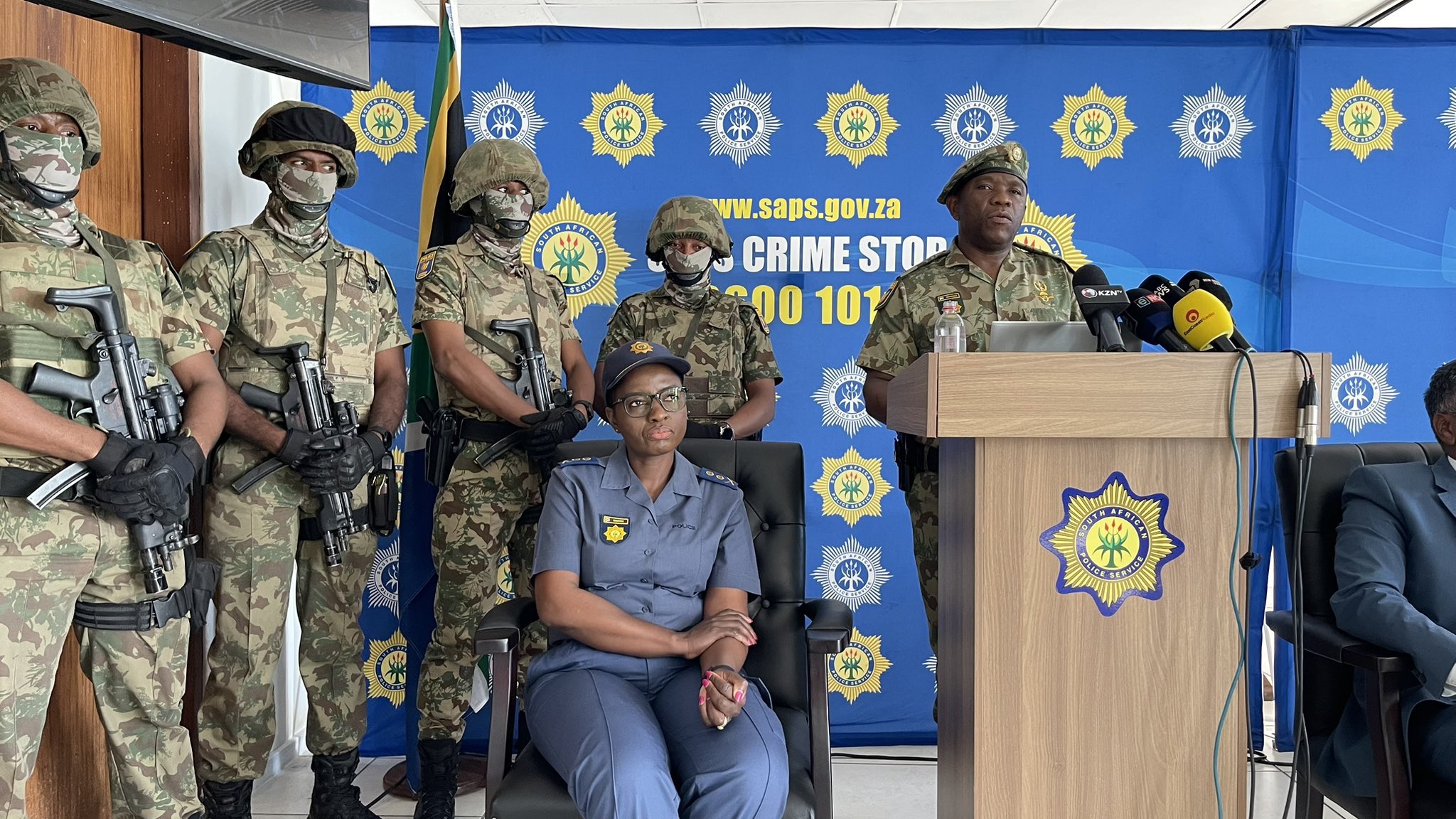
Commenting on the matter, the National Prosecuting Authority (NPA) said it welcomed the sentence of 15 years’ direct imprisonment handed down to Marais, a former Section Leader of the apartheid polices Reaction Unit 6 in Dunnottar.
The NPA said the 15-year prison sentence given to Marias was fitting for the crimes committed.
“This sentence reflects the NPA and the Directorate for Priority Crime Investigation’s (DPCI) commitment to ensuring accountability for atrocious crimes that were referred to the NPA by the TRC,” said NPA Gauteng Spokesperson Lumka Mahanjana.
“TRC matters, in their nature and due to the very long lapse of time, disintegration of evidence, and lack of availability of critical witnesses, are very difficult to investigate and prosecute.
“However, because of the dedicated team of Prosecutors and the DPCI Investigator, Lieutenant Colonel Petrus Cornelius Beukman, the NPA secured its first sentence in the high court on TRC matters.
“This sentence is therefore significant and impactful, not only for the state and society, but most importantly for the victims’ families to finally find closure.”
Mahanjana said the NPA was resolute in ensuring prosecution and justice for the victims’ families.
Meanwhile, the GOOD party has also welcomed the sentencing of the apartheid-era policeman.
“Although Marais is now a relatively elderly 66-year-old, and committed the crime 37 years ago, his conviction is important to asserting the principles of justice, impartial and apolitical prosecutions, and accountability,” the GOOD party said in a statement.
“The conviction is also important to reasserting the integrity of South Africa’s TRC process.”
The TRC recommended hundreds of prosecutions in cases in which perpetrators did not apply, or did not qualify, for amnesty.
The democratic state has largely ignored the recommendations over the past 25 years.
Following pressure from the victims’ family members, the State was compelled to account for the injustice, leading to litigation for damages in the High Court.
President Cyril Ramaphosa recently announced the establishment of a judicial commission to establish the reasons for the subversion of justice and whether there was political interference.
In the meantime, many of the perpetrators have died without ever having to face justice.