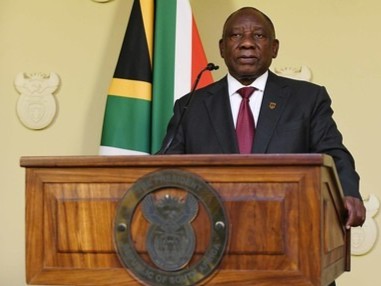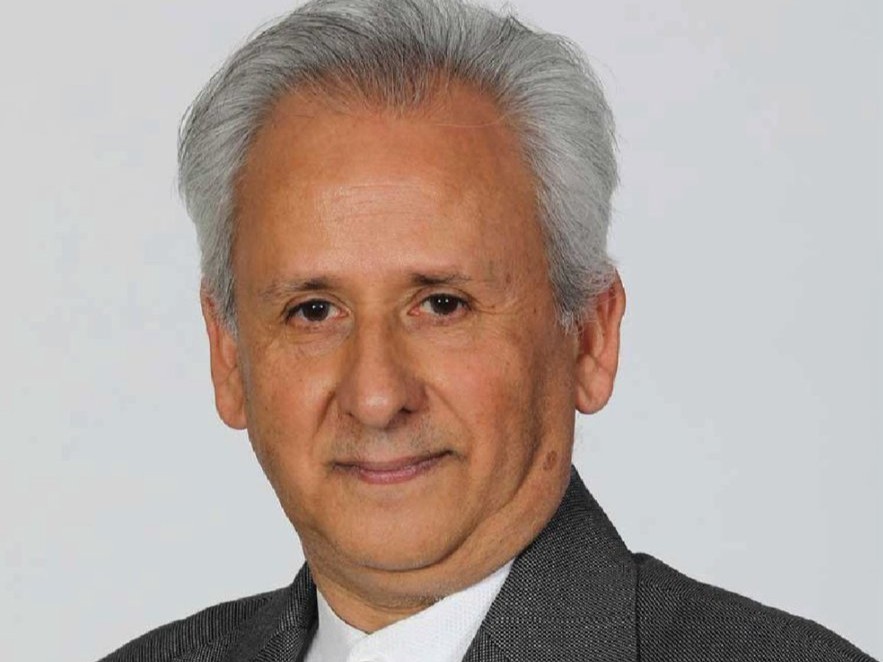
Pretoria – President Cyril Ramaphosa has put corruption-accused Police Minister Senzo Mchunu on a “leave of absence” and appointed Professor Firoz Cachalia to act in his place.
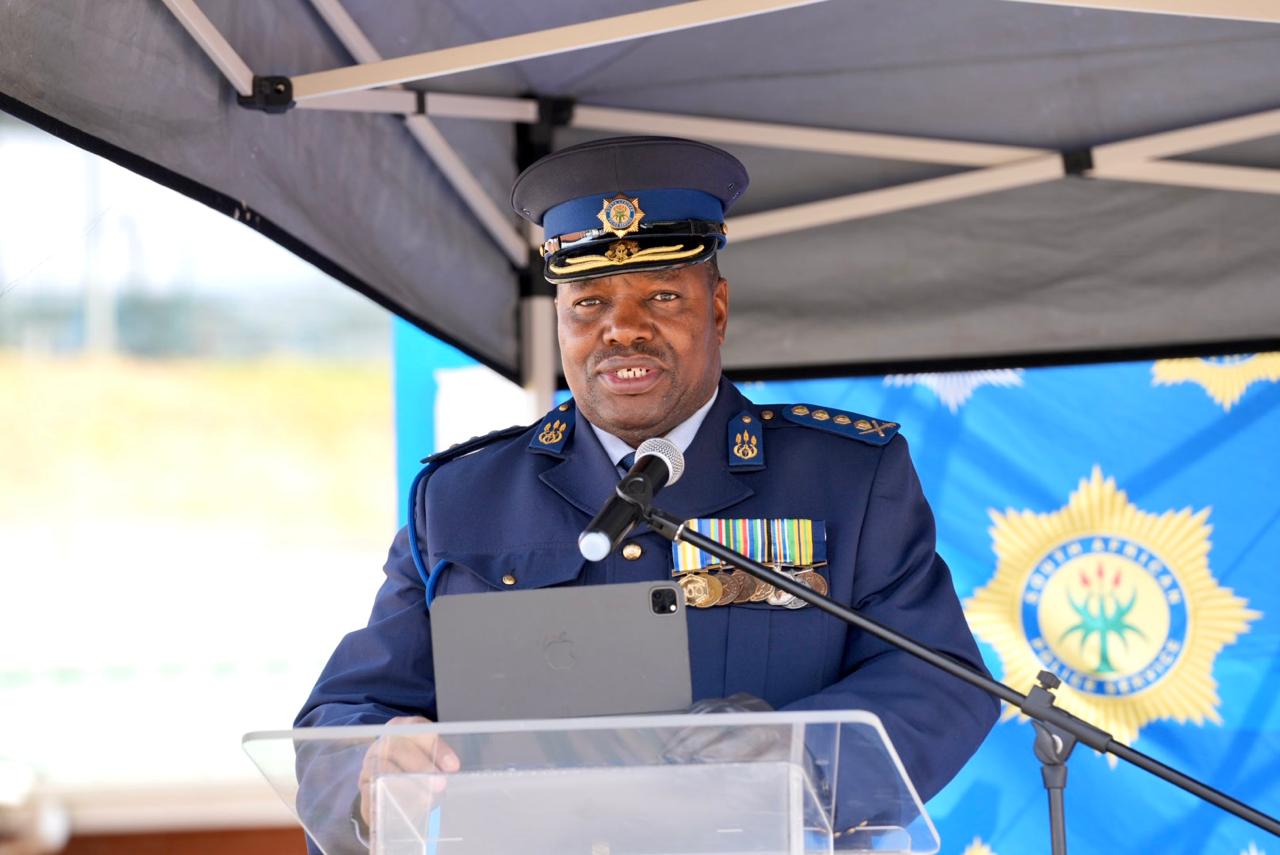
A week ago, KwaZulu-Natal South African Police Service (SAPS) Commissioner Lieutenant General Nhlanhla Mkhwanzi accused Minister Mchunu of meddling in investigations and having links to criminals.
Responding to the allegations on Sunday, 13 July 2025, President Ramaphosa said: “To address these allegations and the implications of these allegations, I am establishing a judicial commission of inquiry chaired by Acting Deputy Chief Justice Mbuyiseli Madlanga”.
The President added: “For the Commission to execute its functions effectively, I have decided to put the Minister of Police, Mr. Senzo Mchunu, on a leave of absence with immediate effect.
“The Minister has undertaken to give his full cooperation to the Commission to enable it to do its work.
“I have decided to appoint Professor Firoz Cachalia as acting Minister of Police.”
The move follows the press briefing last Sunday, the 6 July 2025, by Lieutenant General Mkhwanazi in which he made public serious allegations about the existence and operation of a sophisticated criminal syndicate that has allegedly infiltrated law enforcement and intelligence structures in South Africa.
Lieutenant General Mkhwanazi alleged that the Minister of Police allegedly interfered with sensitive police investigations and colluded with business people, including a murder accused, to disband the Political Killings Task Team based in KwaZulu-Natal.
Lieutenant General Mkhwanazi also said that a police investigation by the task team in Gauteng unmasked a syndicate controlled by a drug cartel, which involves politicians, law enforcement officials from the SAPS, metro police, and correctional services, prosecutors, and the judiciary, as well as business people.
The allegations made in this media briefing raise serious concerns around the constitution, the rule of law, and national security.
“These allegations, if proven true, threaten to undermine the confidence of South Africans in the ability of the South African Police Service to protect them and to effectively fight crime and corruption,” President Ramaphosa said.
“South Africans are concerned about corruption and the rise of criminality in our country, which manifests itself in the killing of innocent people, gender-based violence, gang violence, kidnappings, construction mafia criminality, and many others.”
President Ramaphosa said this Commission was being established against the backdrop of significant progress in rebuilding and strengthening our country’s law enforcement agencies and security services.
The Commission will investigate allegations relating to the infiltration of law enforcement, intelligence and associated institutions within the criminal justice system by criminal syndicates.
Among the allegations that the Commission may investigate are the facilitation of organised crime; suppression or manipulation of investigations; inducement into criminal actions by law enforcement leadership; commission of any other criminal offences and intimidation, victimisation or targeted removal of whistleblowers or officials resisting criminal influence.
The Commission will investigate the role of current or former senior officials in certain institutions who may have aided or abetted the alleged criminal activity; failed to act on credible intelligence or internal warnings; or benefited financially or politically from a syndicate’s operations.
These institutions are the South African Police Service, National Prosecuting Authority, State Security Agency, the Judiciary and Magistracy, and the metropolitan police departments of Johannesburg, Ekurhuleni, and Tshwane.
The Commission will also investigate whether any members of the National Executive responsible for the criminal justice system were complicit, aided and abetted, or participated in the acts mentioned above.
The Commission will be asked to report on the effectiveness or failure of oversight mechanisms, and the adequacy of current legislation, policies, and institutional arrangements in preventing such infiltration.
It will make findings and recommendations for criminal prosecutions, disciplinary actions, and institutional reform.
Once established, the Commission shall consider prima facie evidence relating to the involvement of individuals currently employed within law enforcement or intelligence agencies.
Where appropriate, the Commission must make recommendations on the employment status of such officials, including whether they should be suspended pending the outcome of further investigations.
The Commission will have the power to refer matters for immediate criminal investigation and urgent decisions on prosecution, taking into account the nature of the allegations and evidence the Commission will uncover.
“It is critical that these matters be attended to with the necessary urgency and thoroughness,” President Ramaphosa said.
The Commission is expected to complete its work and submit a final report to the President.
Interim reports are expected after three and six months, respectively.
The final report of the Commission will be sent to the Speaker of the National Assembly and the Chief Justice.