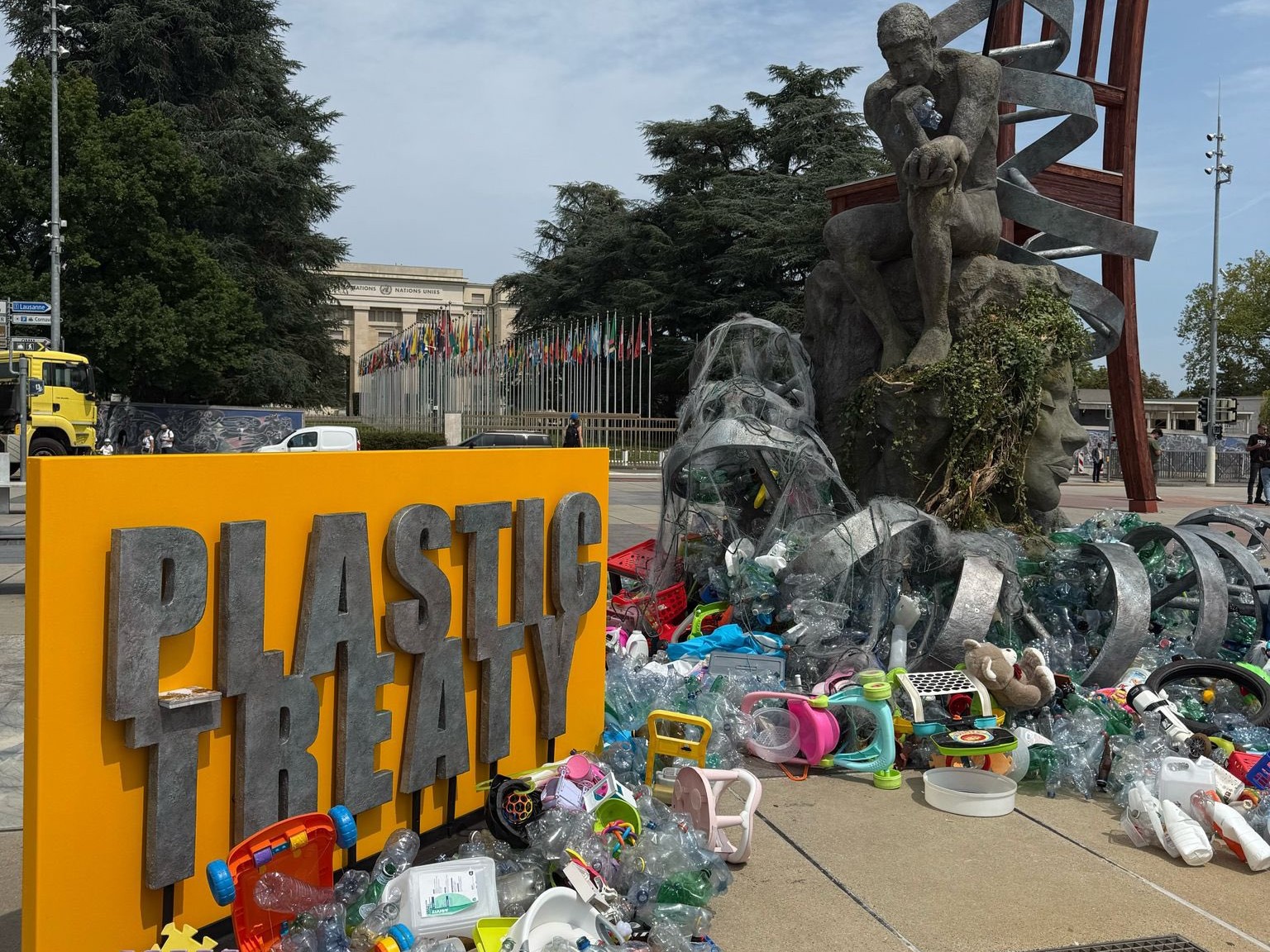
Geneva – The Intergovernmental Negotiating Committee (INC) session in Geneva, which aimed to deliver a binding global treaty on plastic pollution, ended without agreement.
Reporting back on the impasse, the Department of Forestry, Fisheries, and the Environment said the talks collapsed due to deep divisions between nations and the absence of a clear process to resolve the deadlock.
The department said South Africa was disappointed by the outcome and concerned about the procedural failings that stalled progress. But our resolve remains unshaken.
“While the lack of agreement is frustrating, South Africa will not waver in our fight to end plastic pollution and create a fair, practical regulatory environment,” said the Minister of Forestry, Fisheries, and the Environment, Dr. Dion George.
“We will keep driving action at home and pressing for solutions abroad.”
The department explained that South Africa was already moving to ban microbeads and phase out single-use plastics at home.
These steps reflect a proactive strategy to reduce environmental and health risks.
During the INC, Minister George met with South African industry, business, and civil society to strengthen partnerships for a circular economy.
“Collaboration with all stakeholders is vital. We must build a system where sustainable practices are the norm, not the exception,” Minister George said.
South Africa opposed rigid caps on plastic production, calling instead for market driven solutions backed by incentives to push business toward sustainability.
The country was also acting to close gaps in controls on imported plastics, ensuring they meet strict health and environmental standards.
The Minister warned about toxic chemicals in plastics and the spread of microplastics into food systems and human bodies.
“It is unacceptable that microplastics are found everywhere, including in our own bodies,” he said.
“We will act decisively to protect public health.”
South Africa’s Extended Producer Responsibility regulations and the polluter-pays principle were already holding producers accountable for the full life cycle of their products.
“Our EPR framework is a cornerstone of our strategy, and we will keep strengthening it,” the Minister said.
The fight against plastic pollution continues.
In October 2025, South Africa will host the G20 Environment and Climate Sustainability Ministerial in Cape Town, where plastics, waste, and chemicals will remain high on the agenda.
The department said South Africa will keep working at home and with global partners to secure a meaningful, inclusive plastics treaty that protects our planet and future generations.