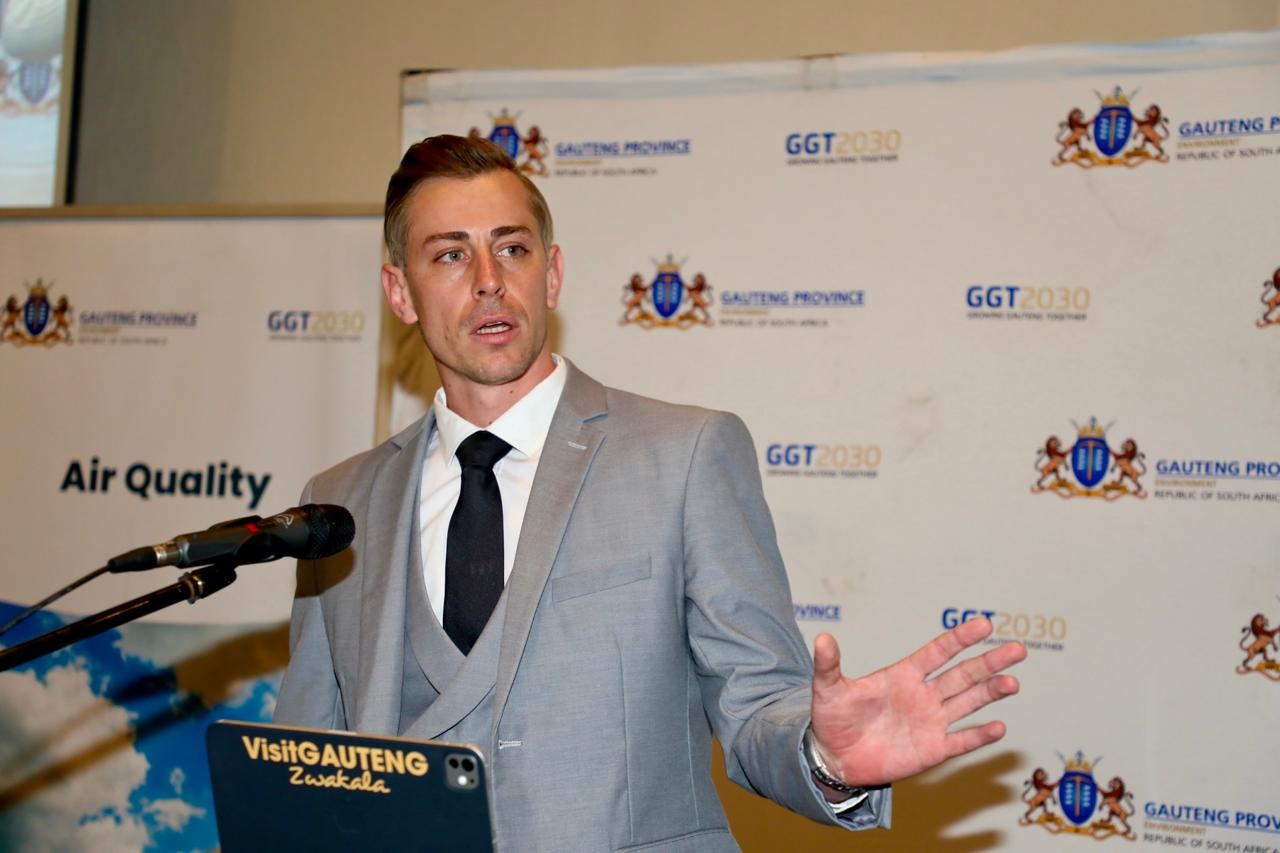
Johannesburg – South Africa’s Gauteng Province Member of the Executive Council (MEC) for Environment, Ewan Botha, has drawn on his childhood experiences to highlight gaps in climate change education.
MEC Botha emphasised the need for a new pathway that balances environmental and economic priorities.
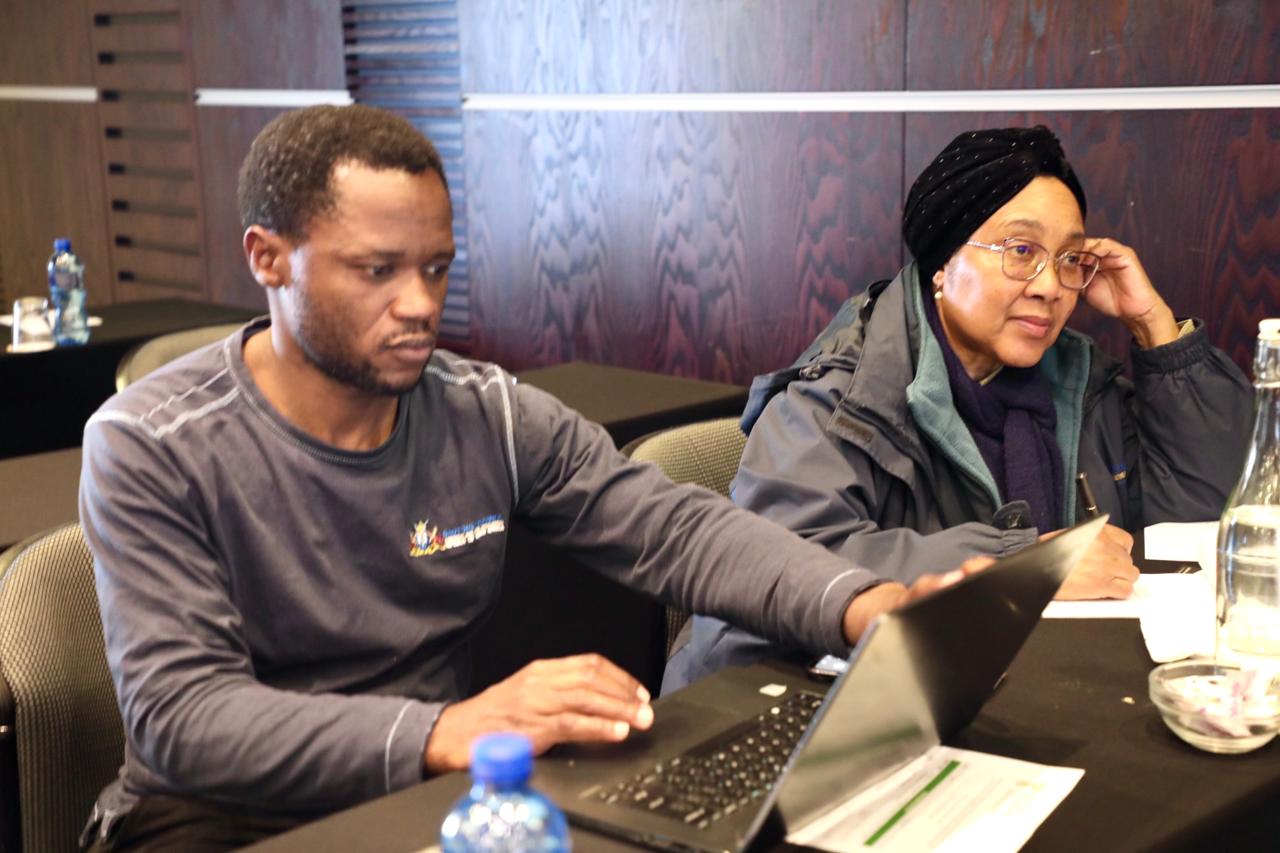
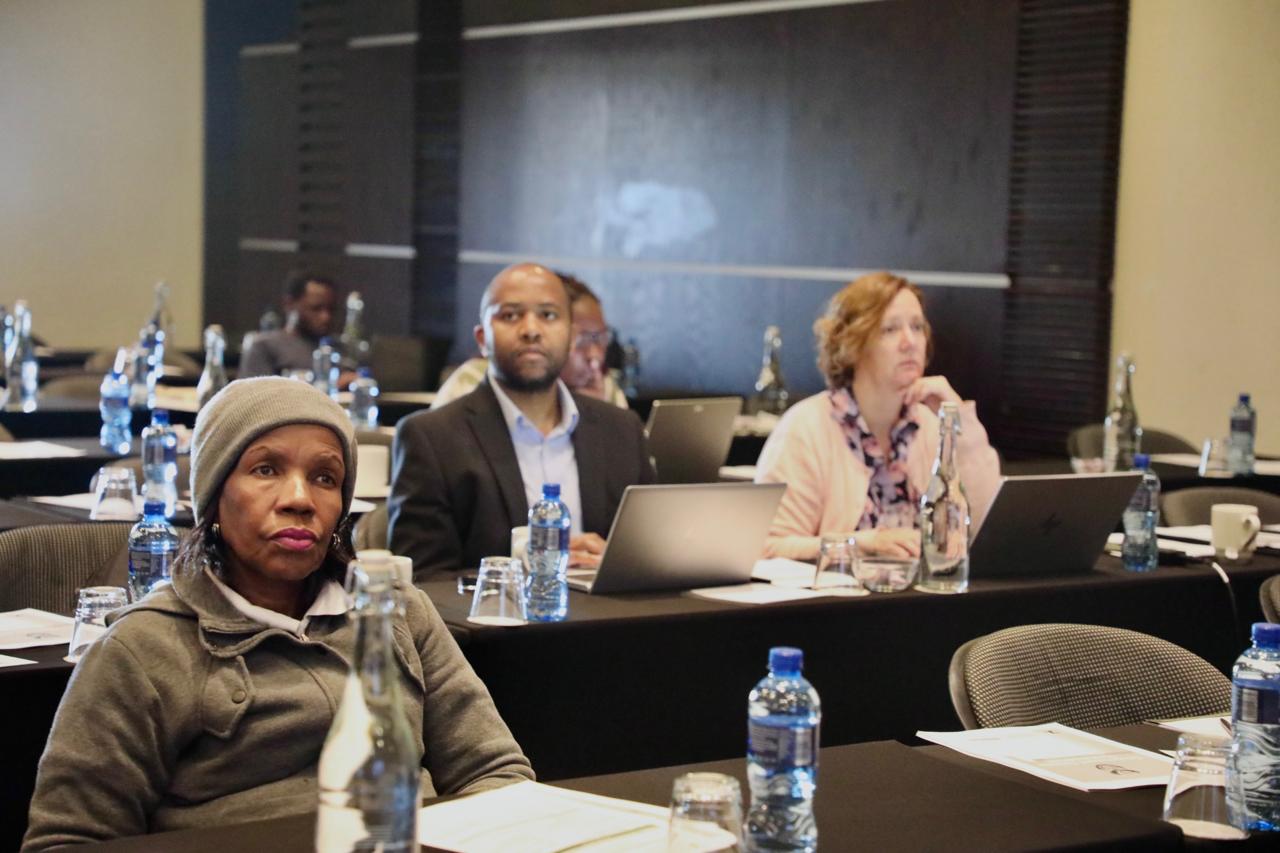
Speaking at a recent government climate change forum, MEC Botha recalled how, as a schoolboy, climate change felt overwhelming and completely detached from everyday life.
“I thought the world was going to melt in 20 years, and then I stopped caring,” he said. “I focused on making a living because that felt more urgent.”
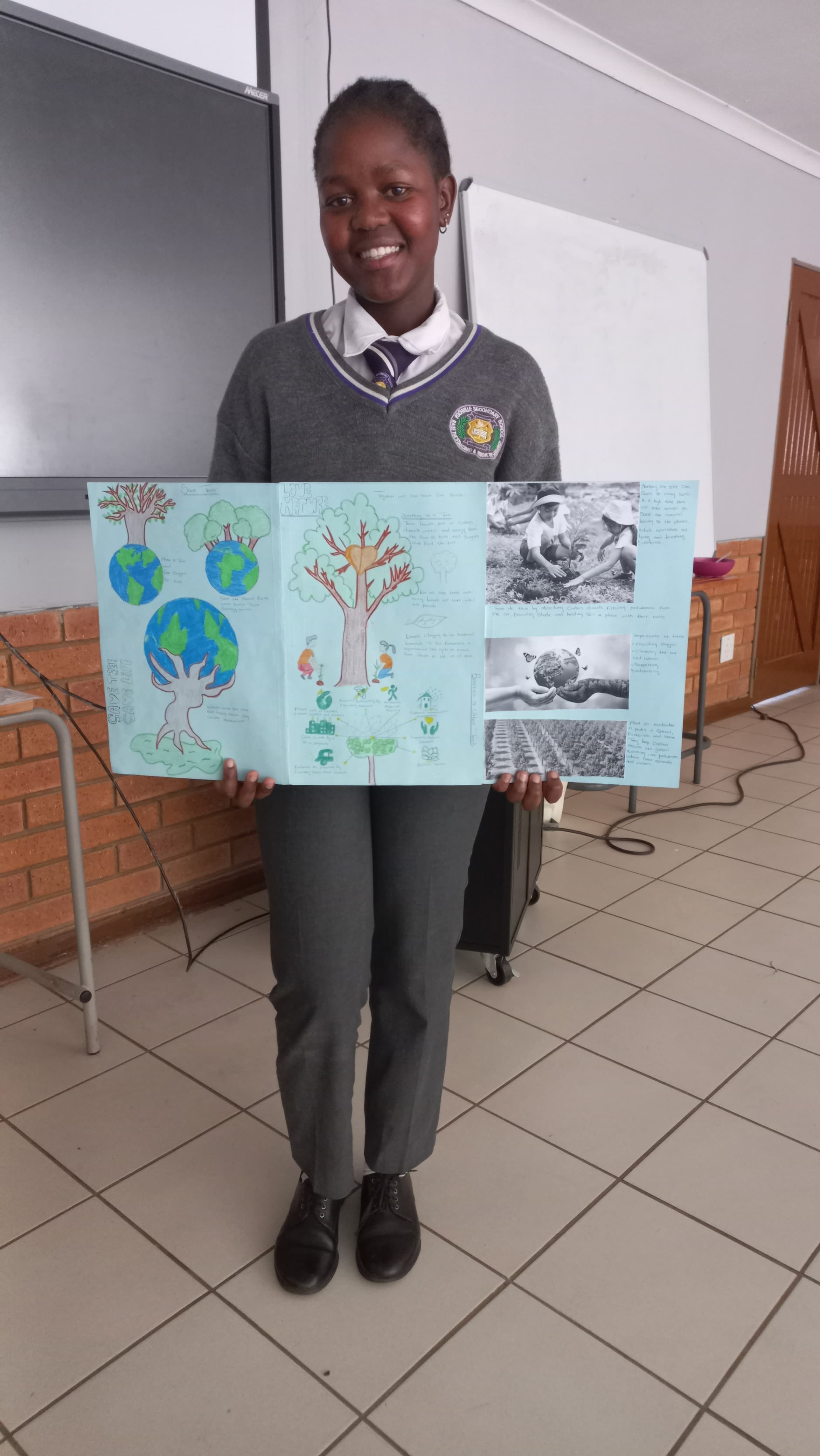
For him, recycling programmes and environmental campaigns in schools never connected with the economic realities that ultimately drive society.
Now, as MEC for the Gauteng Department of Environment (GDEnv), he aims to address the climate change awareness challenges he faced during his school years.
“We are teaching children that the environment is a dead end in terms of funding and jobs, which must change,” he said.
“Climate change education should include economic opportunities linked to sustainability, instead of focusing only on recycling and pollution awareness.”
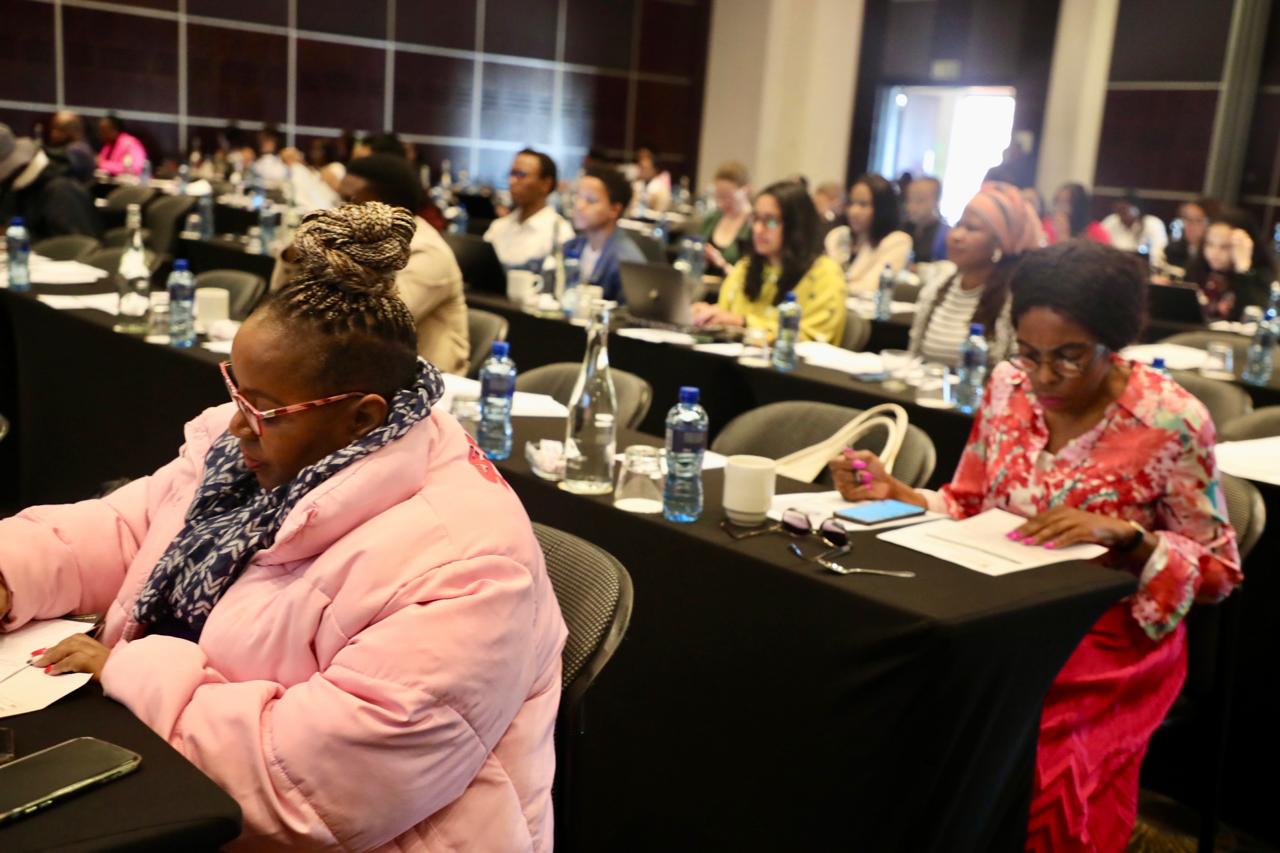

MEC Botha said that while global agreements such as the Paris Accord set important standards, they also place pressure on provinces like Gauteng to balance commitments with local economic growth.
“Take oil away and everything disappears,” he said.
“The challenge is finding industries beyond oil that are sustainable and profitable.”
MEC Botha noted that one of his key economic initiatives in response to climate change was the need for businesses to recycle waste in ways that create value.
He cited the reuse of tyres, where companies needing raw material for tar or furniture can partner with waste collectors and buy-back centres [outlets that buy recyclables].
“This is one of the strongest initiatives I’m pushing,” said MEC Botha.
“It saves disposal costs, supports recycling businesses, and reduces environmental damage.”
Meanwhile, MEC Botha warned against relying exclusively on fines to enforce environmental compliance, warning that penalties often strip municipalities of funds needed for service delivery.
Instead, he called for collaborative partnerships with academics, businesses, and community recyclers.
“We need to show people that climate change is not just an environmental issue but an economic opportunity,” he said.
“In Gauteng, we want to lead in turning sustainability into prosperity.”
*About the writer– Emmanuel Koro is a Johannesburg-based environmental journalist who writes independently on environmental and developmental issues