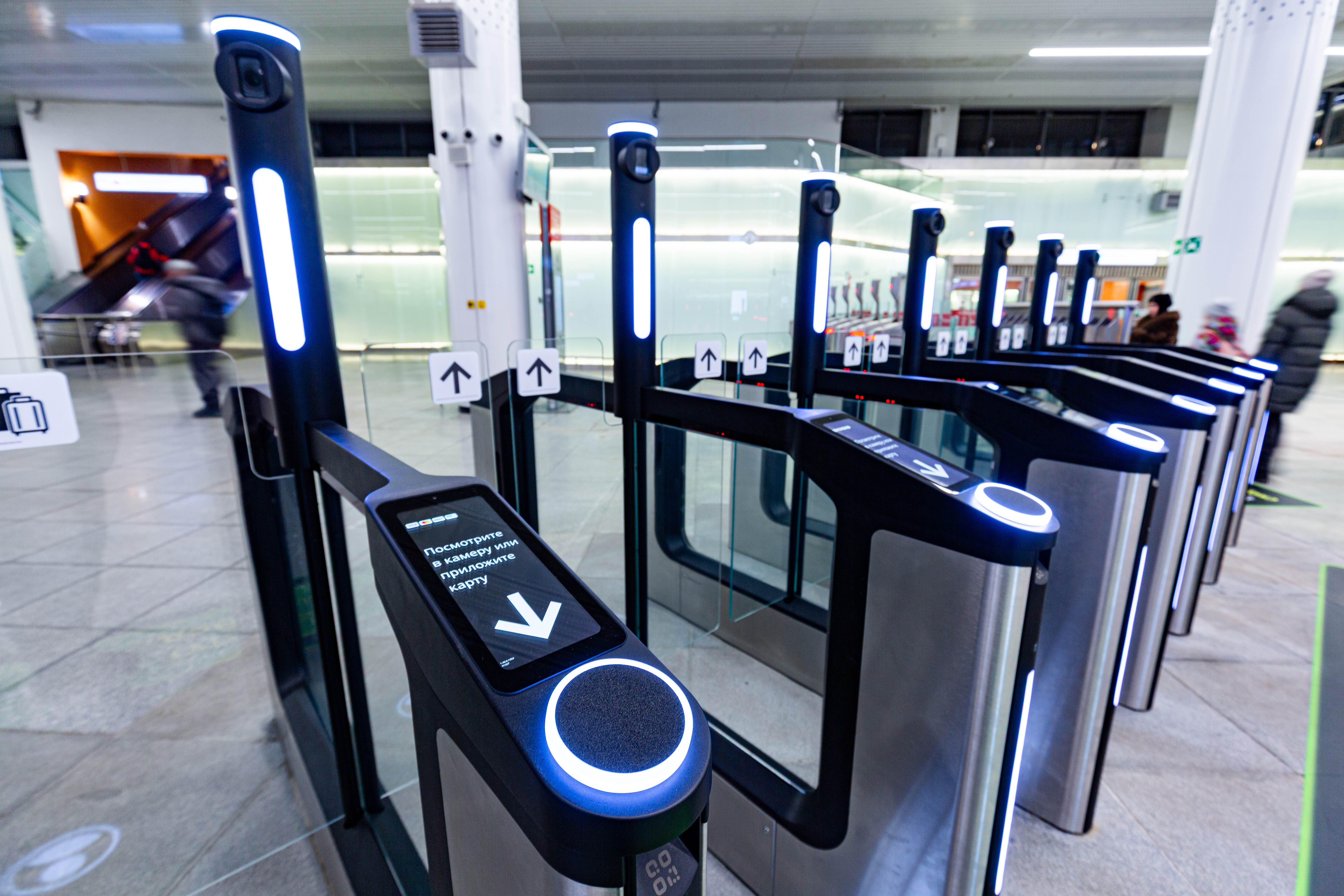
Moscow – Large-scale transportation and industrial transformations in Moscow have resulted in about 70% of all trips in the Russian capital being made using public transport.
Reviewing achievements of 2025, Moscow Metro said in a statement made available to The Bulrushes on Monday, 5 January 2026, that the comfort, safety, and trust of Muscovites remained the top priority in all its decisions and projects.
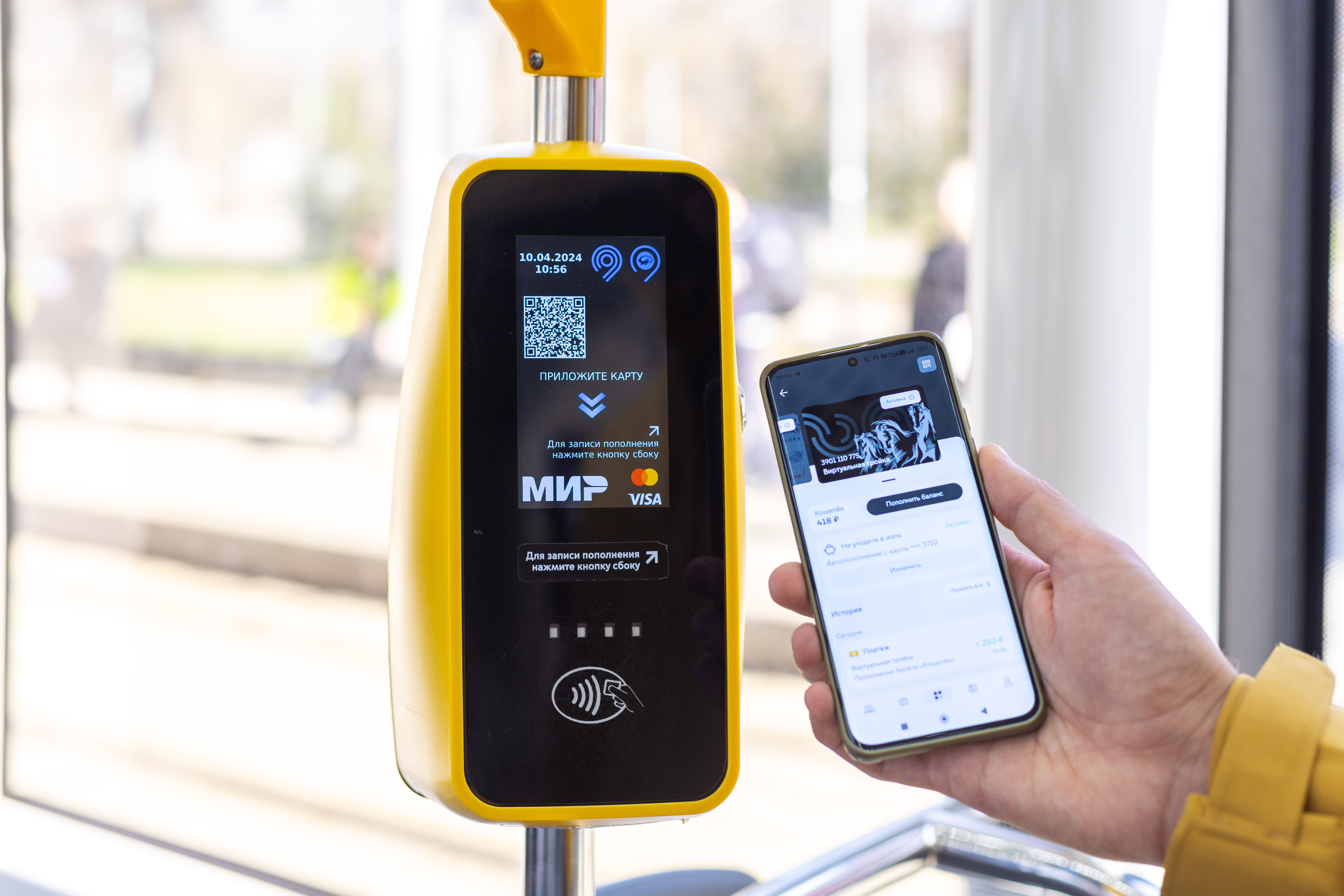
Moscow Metro said the past year saw large-scale transportation and industrial transformations for the capital city.
“Under the leadership of Moscow Mayor Sergey Sobyanin, the city fulfilled all its commitments to residents regarding the development of the transport system and the industrial potential of the capital,” the statement said.
“The key achievement of the year was not the number of projects implemented, but the growing trust of city residents in public transport.
“Today, about 70% of all trips in Moscow are made using public transport—one of the best indicators in the world.
“More and more residents are choosing the metro, electric buses, trams, car-sharing, and taxis, prioritizing convenience, reliability, and care.”
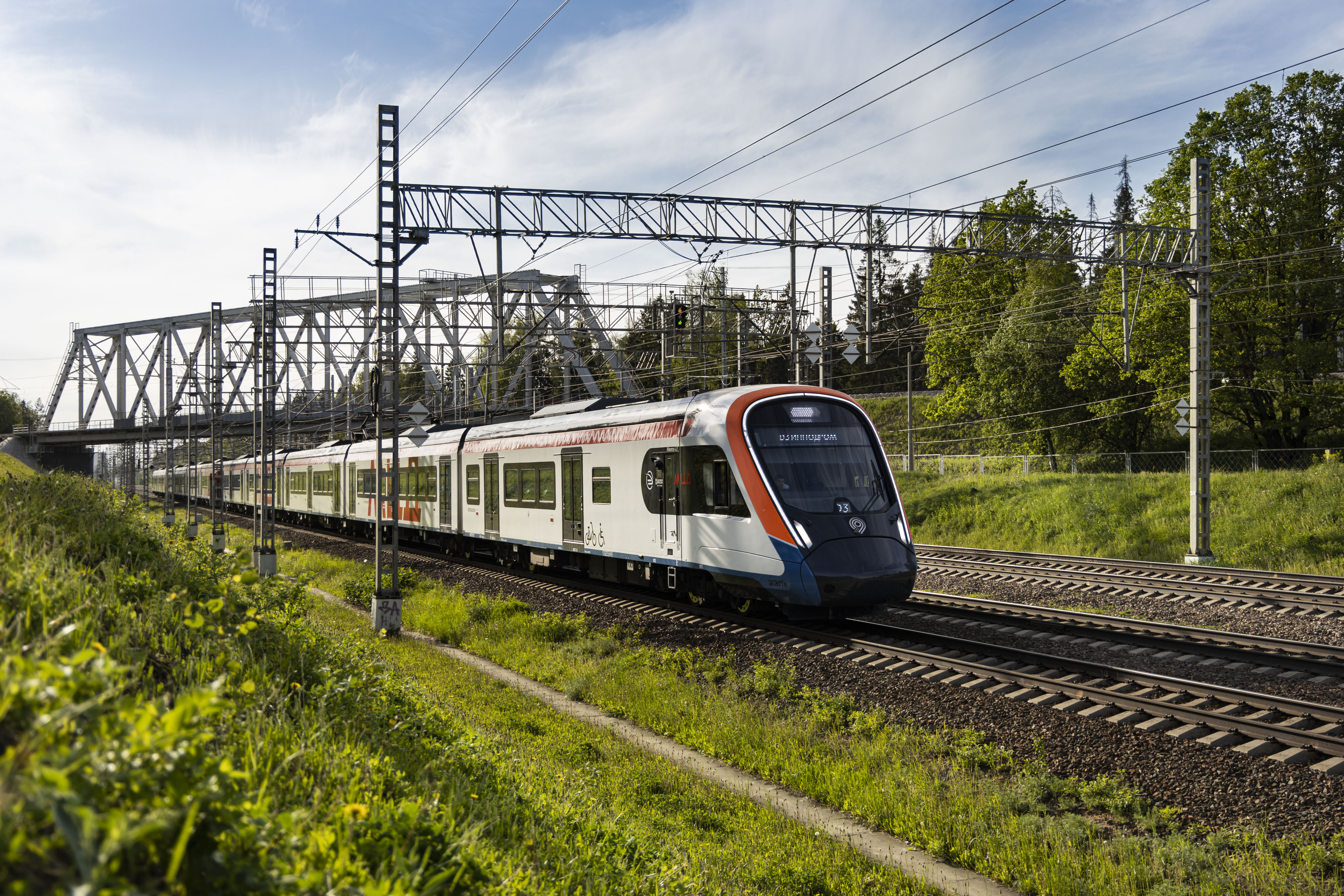
In 2025, Moscow implemented critical infrastructure projects.
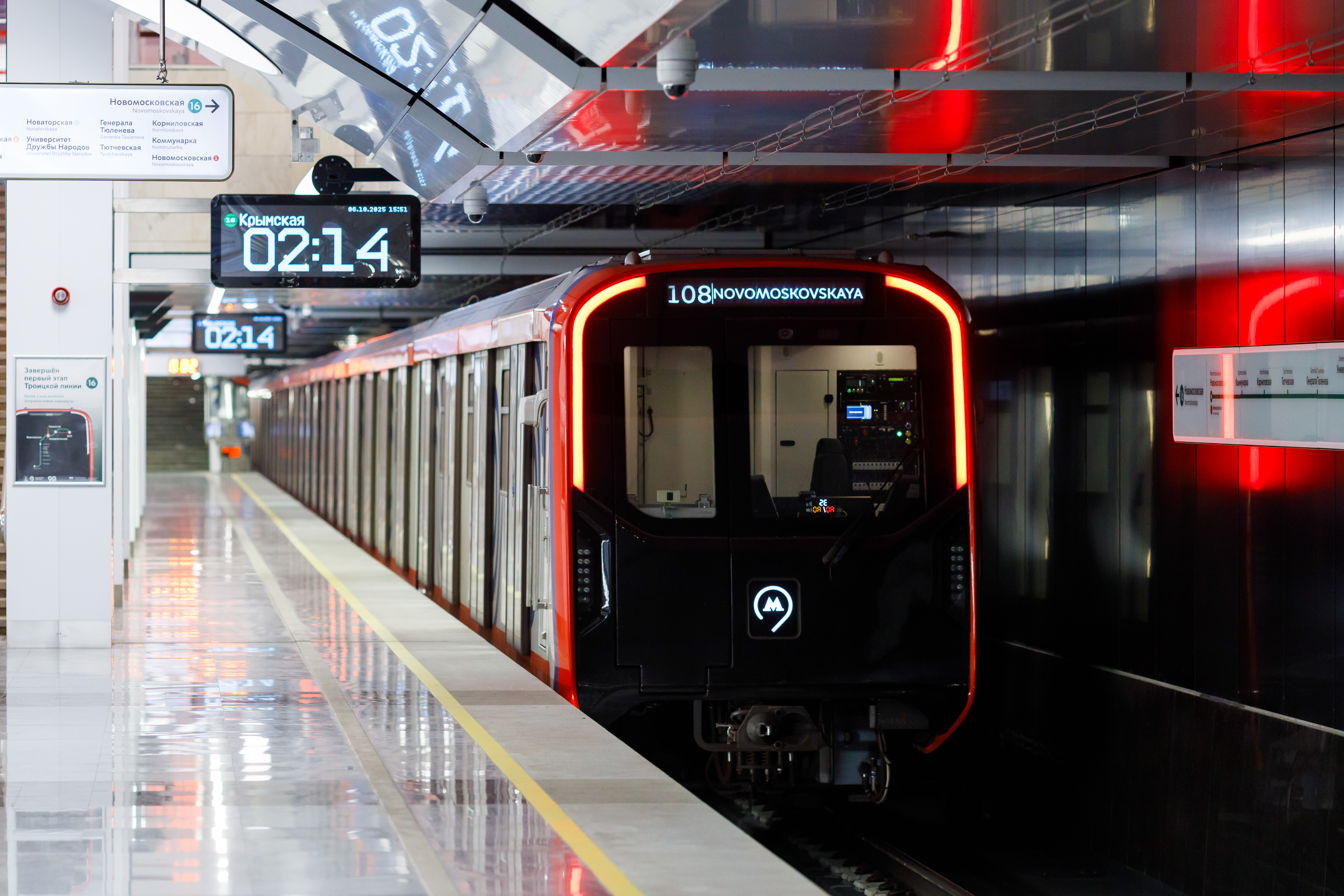
Modern domestic trains, the Moskva-2026, began operating on the Moscow Metro Line 2, and the rolling stock on the Moscow Central Diameters was fully updated.
A third route for unique electric boats was launched, and the fleet grew by more than 50%. Four new stations on the Troitskaya metro line were opened.
A landmark event was the launch of Russia’s first fully autonomous tram.
“This innovative technology, once seen as a futuristic concept, is now used in everyday passenger trips without compromising comfort or safety,” the statement said.
2025 was a turning point for tram development.
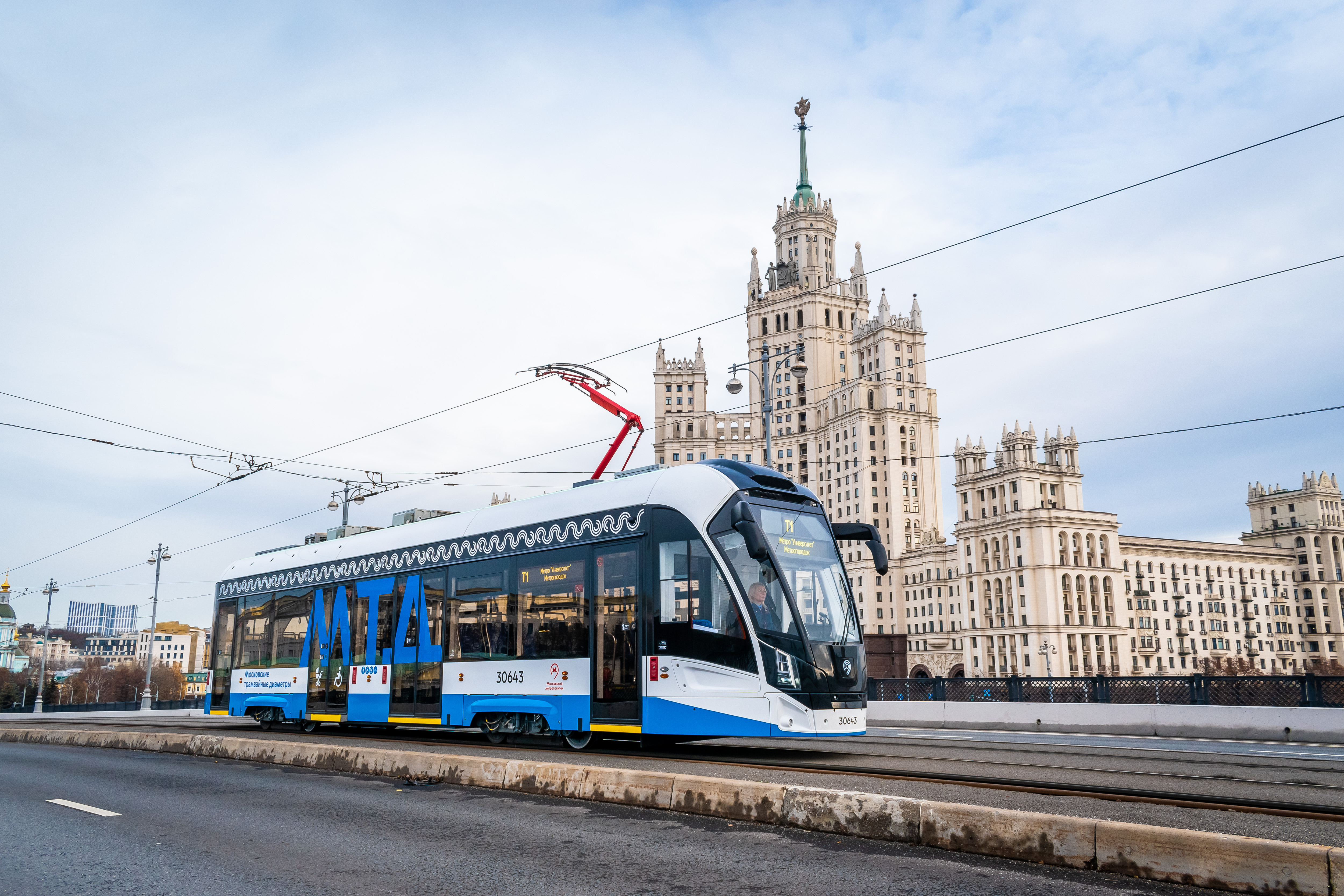
Moscow opened its first tram line, T1, operating like an above-ground metro with intervals as short as six minutes.
The first autonomous trams in the country, Lvyonok-Moskva, also entered service.
Special attention was given to integrating Moscow and the Moscow region.
Twenty-five suburban ground routes have been upgraded to the high standards of Moscow transport, ensuring passengers receive consistent service quality regardless of where they live.
Moscow remains one of Russia’s leaders in road safety.
“Despite high population density and traffic volumes, the social risk in the city is several times lower than the national average,” the statement said.
“The city’s work is based on the global Vision Zero concept, aimed at achieving zero traffic fatalities.”
The capital’s industry also made a significant contribution to the transport system’s development.
The first electric boats were laid down at the new Moscow Shipyard—a unique production facility for Russia, with a potential output of up to 40 vessels per year.
“In 2025, the city received more than 500 modern electric buses, allowing Moscow to maintain its leadership in Europe for the number of eco-friendly urban transport vehicles,” the statement said.
“High-tech products for medicine, transport, industry, and the space sector are being developed in the Technopolis Moscow special economic zone.
“Today, Moscow’s industry provides stable employment for one in ten residents.”
The city is home to more than 4 600 enterprises, and the volume of private investment in fixed capital for the first three quarters of 2025 exceeded 5.2 trillion rubles.
Moscow Metro said the city’s development strategy would continue until 2030.
Plans include expanding the city’s rail framework, opening the first section of the Rublyovo-Arkhangelskaya metro line, launching the second tram diameter T2, and converting 15 trams to autonomous operation.
The tram fleet and the rolling stock of the Zamoskvoretskaya metro line will be fully updated, and the rolling stock on the Yaroslavl direction will continue to be replaced.
Additionally, a fourth regular river route will be launched, and the fleet will be expanded with eight more electric boats.
“All these projects are not just infrastructure solutions but real improvements in the quality of life: convenience, safety, time savings, and growing trust among residents,” Moscow Metro said.