Cape Town – Climate change, biodiversity loss, and ecosystem degradation are no longer just environmental challenges; they are now central to how investors assess resilience and long-term returns.
Nature underpins large parts of the global economy, from water security and food systems to infrastructure and climate resilience.
Yet according to the United Nations Environment Programme (UNEP) the global biodiversity finance gap is estimated to reach USD 942 billion per year by 2030.
Current finance flows into nature total around USD 200 billion annually, with just USD 35 billion coming from private capital.
At the same time, capital markets are shifting.
Private finance for nature has increased more than tenfold in recent years, rising from USD 9.4 billion to over USD 100 billion, and could reach up to USD 1.45 trillion by 2030 if the current momentum continues.
Alongside this, carbon markets, nature-based solutions, and resilience infrastructure are increasingly being treated as linked investment themes, with new asset classes emerging across carbon, biodiversity, and climate adaptation.
This convergence is reshaping how investors assess risk, returns, and long-term resilience, particularly in emerging markets.
The economic stakes are already clear. In South Africa alone, healthy ecosystems contribute over R275 billion (around USD 14 billion) per year, equivalent to at least 7% of GDP.
Across Africa, natural capital accounts for an estimated 30%-50% of total wealth in many countries, underlining how closely economic growth, stability and development prospects are tied to climate and nature outcomes.
In many African economies, natural capital makes up a far larger share of national wealth than factories or infrastructure, meaning that damage to nature can quickly translate into pressure on public finances and long- term economic stability.
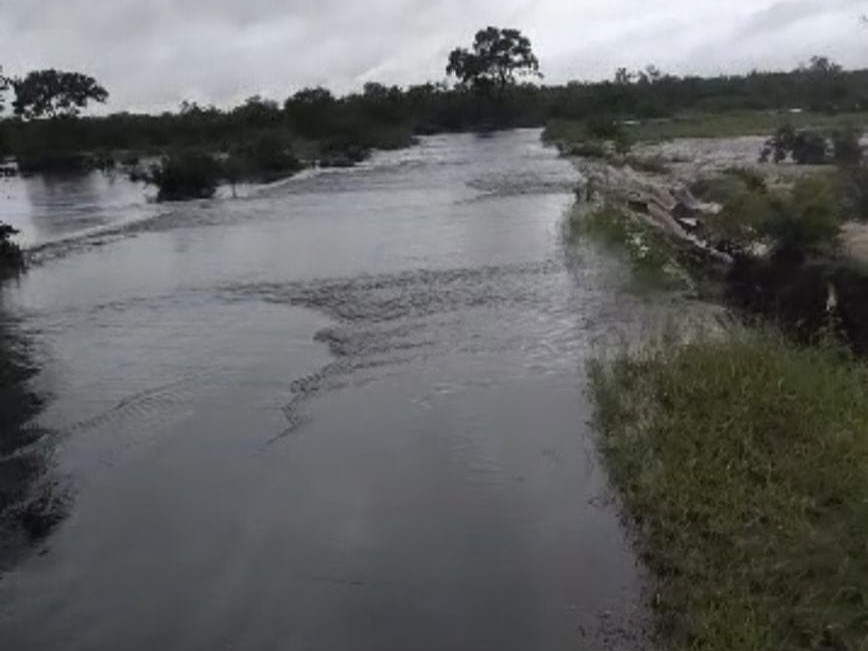
Recent flooding in parts of Kruger National Park and ongoing water stress in the Western Cape have reinforced how climate and ecosystem risks translate directly into economic losses, infrastructure damage, and pressure on public finances.
These are no longer peripheral sustainability issues; they are core financial and investment risks.
Against this backdrop, Africa’s Green Economy Summit (AGES) 2026 will open with the Climate, Carbon & Nature Financing Academy on Monday, 24 February 2026, in Cape Town, ahead of the main Summit from 25 – 27 February 2026.
The Academy will focus on how climate, carbon, and nature can be translated into bankable projects and investable asset classes, including through instruments such as carbon markets, green, blue, and wildlife bonds, debt-for-nature swaps, and performance-linked finance.
“The escalating impact of climate change in Africa calls for the global community and private sector to recognise that a climate-resilient Africa is essential for global stability, prosperity, and shared security,” said Harsen Nyambe, Director, Sustainable Environment and Blue Economy at the African Union Commission.
“Investing in Africa’s adaptation and mitigation projects is not an act of generosity; it is an investment in our common future.”
By foregrounding climate, carbon, and nature finance at the start of 2026, AGES reflects a broader market reality: these are no longer side conversations in sustainable finance; they are becoming central pillars of Africa’s investment future.