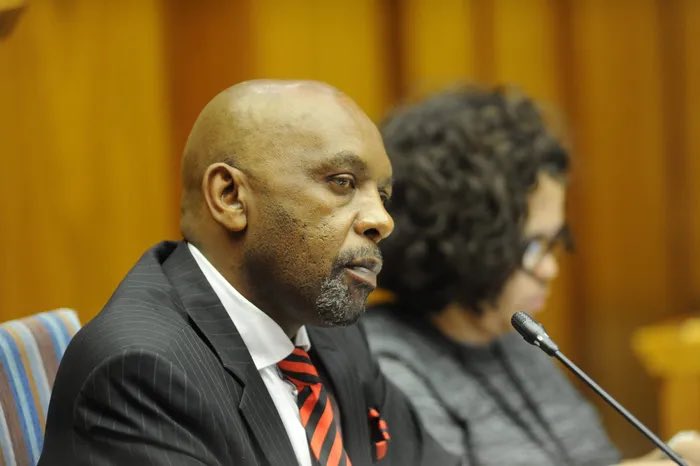
Johannesburg – In a significant blow to anti-corruption efforts, former African National Congress (ANC) Member of Parliament Vincent Smith was sentenced to an effective seven years’ direct imprisonment by the Johannesburg High Court on Thursday.
The 65-year-old pleaded guilty to charges of corruption, fraud, money laundering, and contravening the Tax Act, stemming from kickbacks received from controversial facilities management company Bosasa.
Smith admitted to accepting gratifications worth around R800 000 between 2009 and 2018, including security upgrades to his Gauteng home and cash transfers via his company, Euroblitz 48, which he solely directed.
These were allegedly facilitated by Bosasa’s former COO, Angelo Agrizzi, in exchange for influencing parliamentary committees.
He failed to disclose the benefits to Parliament’s registrar of members’ interests.
Commenting on the sentence, the Government Communication and Information System (GCIS) issued a statement saying it “welcomes the Johannesburg High Court’s sentencing of former Member of Parliament Vincent Smith”.
The statement added: “This sentencing follows recommendations of the Judicial Commission of Inquiry into Allegations of State Capture, led by Deputy Chief Justice Raymond Zondo, which investigated widespread corruption and fraud.
“The Commission played a critical role in uncovering wrongdoing and recommending institutional reforms to strengthen accountability and rebuild public trust.”
The GCIS stated that Smith’s sentencing also reflects the government’s commitment, as articulated by President Cyril Ramaphosa in the 2026 State of the Nation Address, to intensify the fight against corruption and ensure that those who abuse public resources are held accountable.
“Implementing the recommendations of the Zondo Commission and other commissions of inquiry is a key part of strengthening democratic institutions and restoring integrity in government,” the GCIS said.
“The government places ethical governance and the rule of law at the centre of building a capable and developmental state.
“Commissions of inquiry are therefore vital instruments to enable government to expose wrongdoing, recommend reforms, and ensure that justice is ultimately served.”