Abidjan – The crisis in the Middle East is impacting global economies, with growth in African countries forecast to decline by up to 0.2 percent.
This is according to a joint policy document presented on Tuesday, 15 April 2026, in Washington, D.C., by the African Union Commission, the African Development Bank Group (AfDB), the United Nations Economic Commission for Africa (ECA), and the United Nations Development Programme (UNDP).
The report, entitled “Impacts of the Conflict in the Middle East on African Economies,” warns that African economies, which were slowly recovering from the severe consequences of Covid-19, the Russia–Ukraine war, and rising trade tariffs, could be among the most affected by the ongoing conflicts in the Middle East.
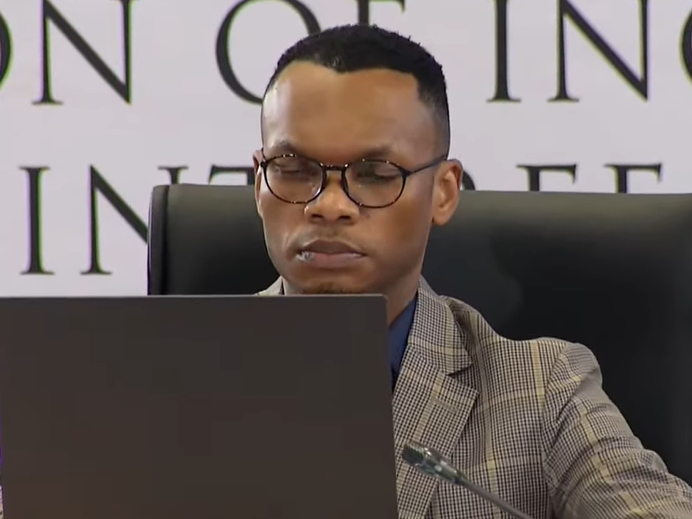
Kevin Urama, Chief Economist and Vice President for Economic Governance and Knowledge Management at AfDB, presented the report on the sidelines of the Spring Meetings of the International Monetary Fund and the World Bank.
He emphasised that the closure of the Strait of Hormuz had significant consequences for transport and trade.
“The report reminds us that the continent demonstrates remarkable resilience,” said Francisca Tatchouop Belobe, African Union Commissioner for Economic Affairs, Development, Trade, Tourism, Industry, and Mining.
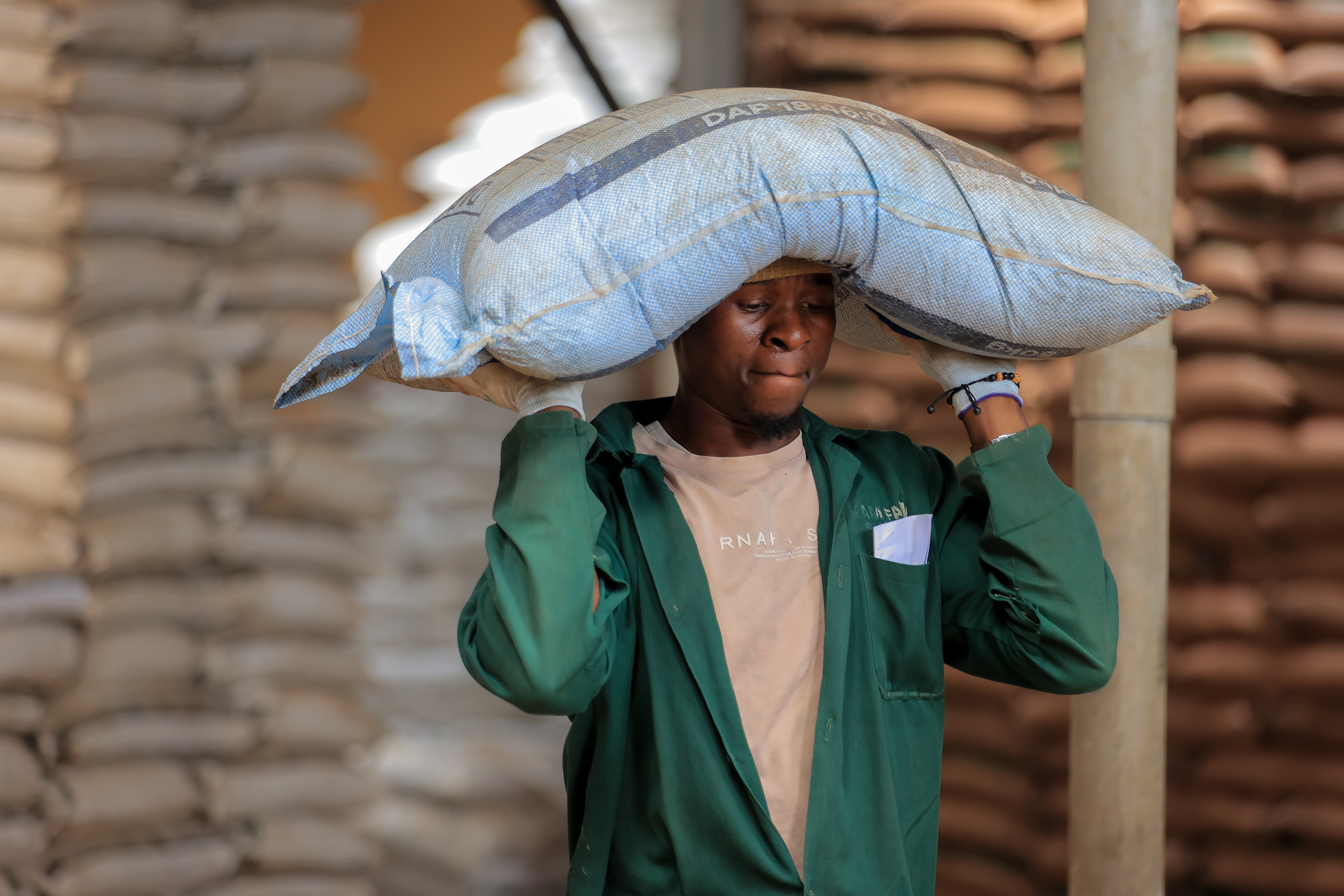
The report says the main effects of Middle Eastern conflicts on African economies include surging prices of hydrocarbons, food products, and fertilizers.
They also cause disruptions to global trade, logistics, and supply chains, and make capital and foreign exchange markets volatile.
“Eighty percent of the oil imported into Africa comes from this region, as well as 50% of refined petroleum,” said Claver Gatete, Executive Secretary of the ECA.
As a result of these conflicts, 31 African countries were already experiencing currency depreciation, Gatete said.
To address the crisis, AfDB Chief Economist Urama urged African governments not to panic or take hasty decisions that could harm their fiscal balances.
The report recommends, in particular, strategic inflation management to ensure short-term price stability expectations.
It cautions oil-exporting countries to adopt strict fiscal discipline by managing windfall revenues prudently, while strengthening debt monitoring, and using energy reserves strategically.
Where fiscal space allows, it advises that temporary and targeted social protection measures be deployed to shield the most vulnerable populations from the crisis.
However, the report urges governments to avoid broad-based subsidies that could worsen long-term fiscal deficits, and to diversify sources of energy, inputs, and food supplies.
It also recommends that African governments strengthen regional and intra-African trade in oil and fertiliser markets to enhance resilience and ensure smooth inter-institutional coordination to harmonise strategic monetary and fiscal policies.
At the same time, the report calls upon development partners, multilateral banks, and development finance institutions to provide emergency support to African countries through crisis response measures and technical assistance.
It also recommends that the operationalisation of the African Continental Free Trade Area (AfCFTA) be speedily operationalised while strengthening large-scale domestic capital mobilisation.
The report also encourages Africa to diversify its energy mix by accelerating investments in renewable energy and the gas sector.
It urges stakeholders in Africa’s financial ecosystem to speed up the implementation of the New African Financial Architecture for Development (NAFAD), for which AfDB has recently concluded continent-wide consultations.
Those consultations led to the “Abidjan Consensus” on 9 April, 2026, in the Ivorian commercial capital.
They are aimed at speeding up reforms towards mobilising African financial resources at scale to boost development financing across the continent.
United Nations Deputy Secretary-General Amina J. Mohammed called for measures, “to safeguard the gains already achieved at continental level.
“We must work to ensure that the Sustainable Development Goals under the 2030 Agenda and Agenda 2063 are achieved.”
For the Senior Vice President of AfDB, Marie-Laure Akin-Olugbagde, “there is a need for global coordination, as no country or institution can face these shocks alone.
“In addition, a rapid response is essential, as was the case during the Covid-19 pandemic and the war in Ukraine, and people must be placed at the center of interventions.”
“The shocks affect us deeply, and we have no choice but to be resilient—and African countries have the means to respond,” emphasised Ahunna Eziakonwa, Director of the UNDP Regional Bureau for Africa.
“In Africa, we need to win the fight for energy independence… We must invest in domestic solutions and encourage young people to engage in innovation, digital technology, and artificial intelligence,” she added.
After the presentation of the report, a panel discussed its content and proposed further solutions.
Download document 1: https://apo-opa.co/4mBpy5u
Download document 2: https://apo-opa.co/484mxEK