Johannesburg – Airports Company South Africa (ACSA) is open for business, and emphatically open for scrutiny.
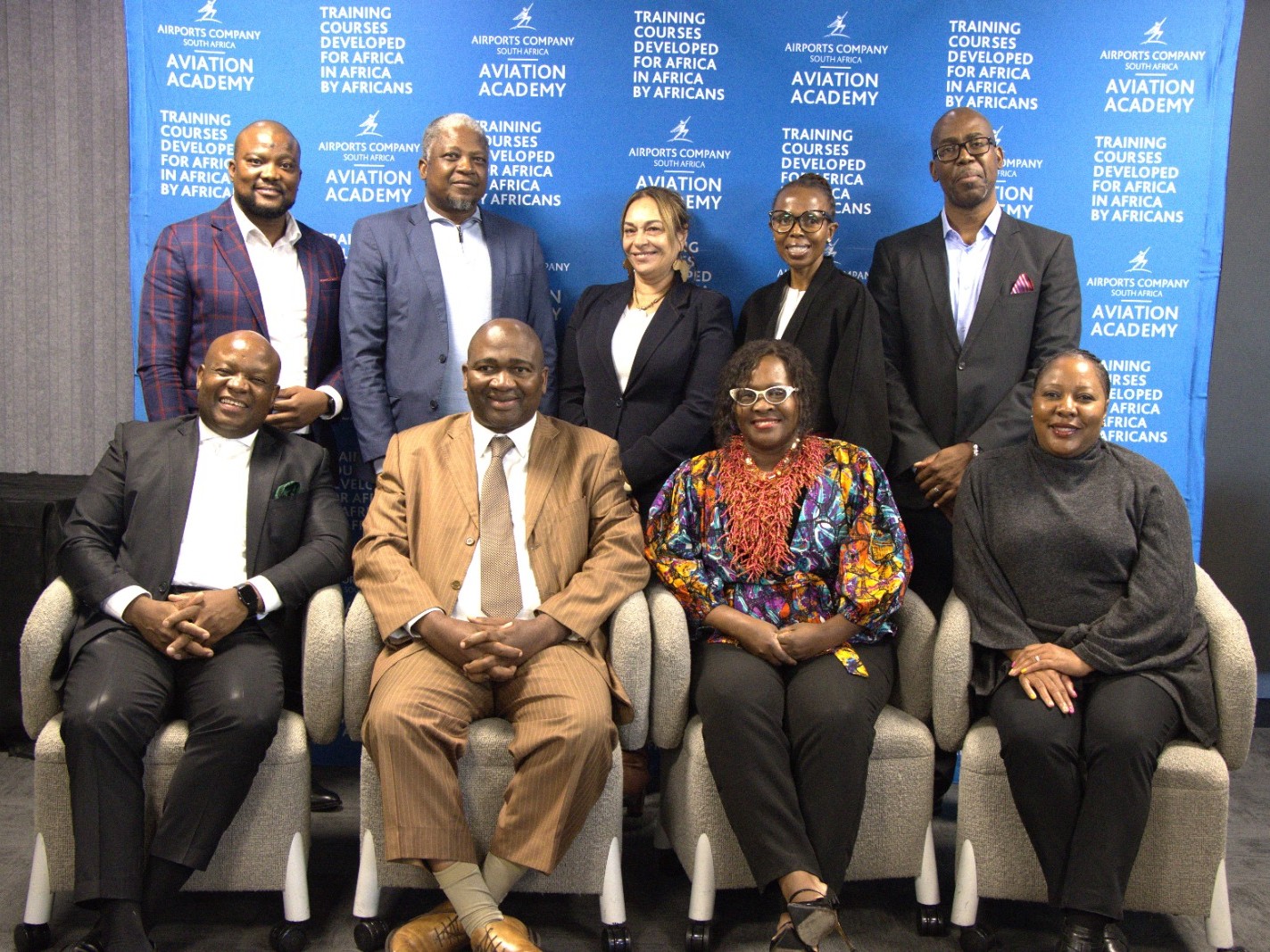
The new ACSA Board, under Chairperson Irvin Phenyane, has already convened a high-level stakeholder engagement with the Black Business Council (BBC), allied Chambers of Commerce, and organised business associations to plant a clear marker: the transformation of South Africa’s aviation industry is not a side conversation.
RELATED: New ACSA Board Appointed To Oversee Ambitious R21 Billion Airport Upgrade – The Bulrushes
In the conversation on 20 May 2026, joined by Xolisa Daku, chairperson of the Social and Ethics Committee, the engagement reaffirmed that the institution intends to walk its talk.
Anchored in the company’s 2025 Environmental, Social and Governance (ESG) Report and the ACSA Transformation Strategy, the dialogue placed Broad-Based Black Economic Empowerment (B-BBEE), procurement integrity, infrastructure investment, and meaningful economic inclusion at the centre of the company’s future-forward agenda.
In a moment that set the tonality of the day, Irvin Phenyane, ACSA Board Chairperson, reached for the kind of plain-speaking idiom that has come to define his stewardship of the Board.
“We did not gather to form an agreement,” said Phenyane.
“We gathered to identify the ‘stones in the shoe’.
“Every industry that wants to fly, and ours must fly, must be honest about the small pain points that slow it down.
“You cannot remove a stone you refuse to acknowledge.
“Today, with our business partners, we sat down, removed the shoe, and identified the stones together.
“That is what true transformation looks like.”
Phenyane was unequivocal that ACSA’s doors, to dialogue, to scrutiny, and to opportunity, are open, and that the word itself carries deliberate weight.
“Open is not a slogan. It is a discipline,” Phenyane stated.
“Open for business means open for partnership.
“Open for transparency means open for accountability.
“We are inviting stakeholders to engage with us continuously, not only when things go wrong, but as the architects of a future-proofed ACSA.”
A substantial portion of the engagement focused on procurement.
ACSA reaffirmed that all contracts approaching expiry will be advertised openly, in line with Section 217 of the Constitution of the Republic of South Africa and the Preferential Procurement Policy Framework Act (PPPFA).
No service provider is entitled to an automatic extension simply because they currently hold a contract.
The Black Business Council (BBC) was equally clear: organised black business does not support service providers who use litigation to block the advertisement of expiring contracts.
Contracts that have run their legal course must return to the market
ACSA and the BBC committed to continued support, a transformation-aligned market-readiness mechanism, which ensures black-owned, women-owned, youth-owned, and disability owned enterprises are alerted to upcoming procurement opportunities in time to prepare, partner, and compete on a fair footing.
The BBC Vice-President of Organised Business, Gregory Mofokeng, the BBC CEO Kganki Matabane, as well as the Durban Chamber of Commerce CEO Palesa Phili, pledged their joint commitment to the ACSA transformation agenda.
Transformation: a seat at the table and a runway to use it
Stakeholders raised concerns about the uneven implementation of transformation requirements across the aviation value chain.
The Board’s response was direct: transformation will not be delegated downward, nor diluted sideways.
It will be led from the top, measured rigorously, and reported transparently in line with the disclosure commitments set out in the King V.
“A seat at the table is necessary, but insufficient,” stated Phenyane.
“We are committed to ensuring that women, young people, and persons with disabilities are not only seated, but heard, contracted, paid on time, and given the operational runway to scale.
“That is what dignity in transformation looks like. That is the ACSA we are building.”
Confidential Confidential Confidential Confidential ESG: our people, our airport communities, and the unflown majority.
The engagement explicitly placed ACSA’s people, the communities surrounding its nine airports, and what the company has come to describe as the “unflown community”, South Africans whose lives are shaped by aviation even when they have never boarded an aircraft at the heart of its Transformation Strategy.
ACSA’s ESG commitments are not a parallel runway to its commercial ambitions; they are the very runway on which the business soars. Transformation, for ACSA, is not philanthropy; it is a fiduciary duty.
A united front against the construction mafia
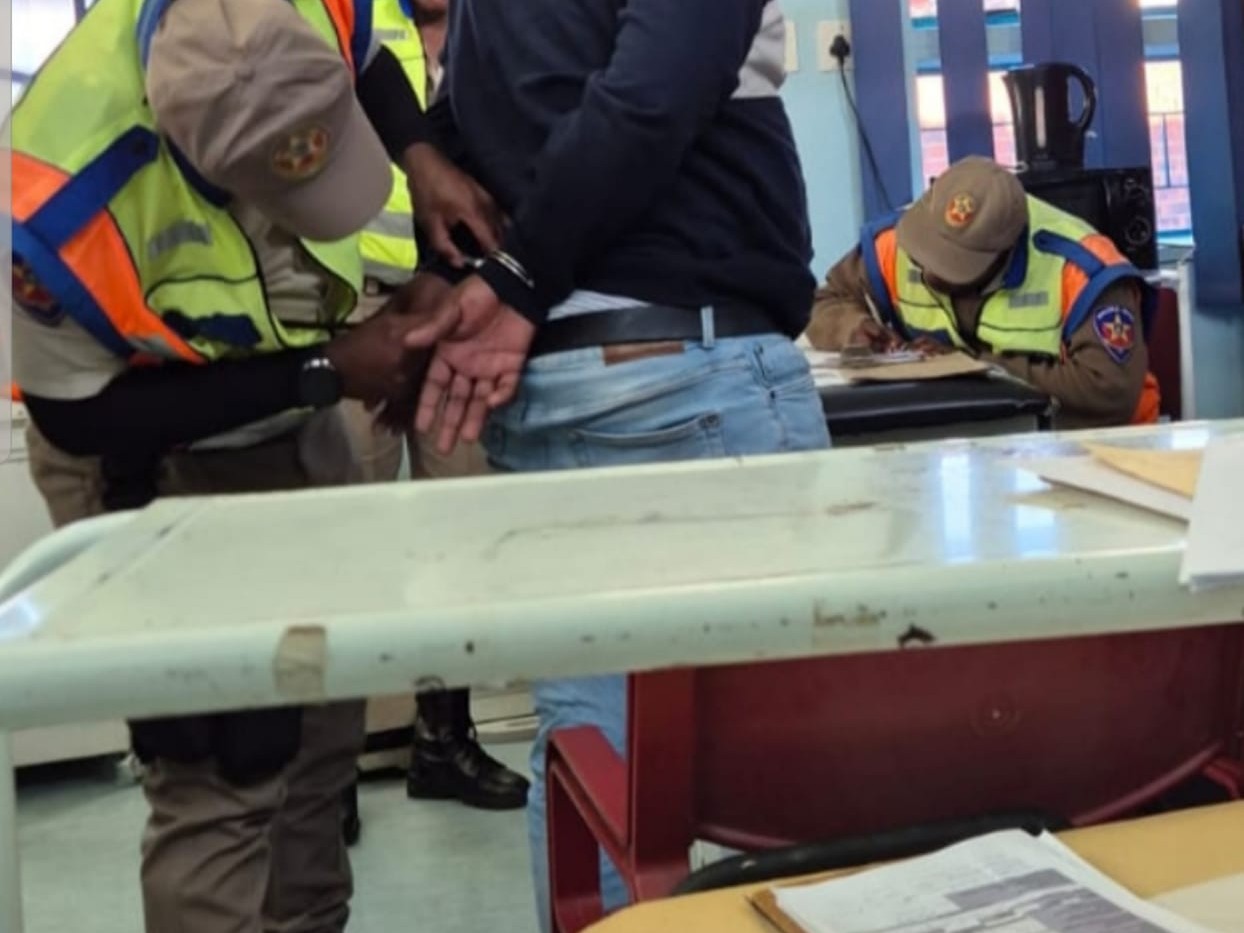
The session acknowledged the broader national effort to combat the construction mafia, welcoming recent arrests of those implicated in undermining government infrastructure delivery.
ACSA reiterated that infrastructure investment cannot be held hostage to extortion, and that the partnership now being deepened with organised business is part of the institutional armour the sector requires to deliver on its continental growth ambitions.
From conversation to Lift-Off, Phenyane proposed convening a broader stakeholder conference to deepen the dialogue begun on 20 May 2026.
The conference will bring together stakeholders across investment, tourism, infrastructure, and economic development to advance transformation, procurement integrity, and the continental growth agenda in a structured and collaborative setting.
“This partnership is not a destination; it is a lift-off,” Phenyane said
“A future-proofed ACSA cares as much for the unflown community as for the frequent flyer; one that earns the trust of its people, its partners, and the public it serves.
“We mean business. And we mean transformation.
“The stones in the shoe will be named, and they will be removed together.”