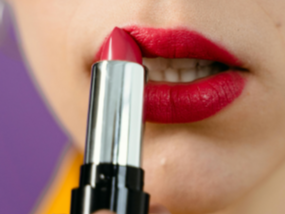
Johannesburg – Lipstick remains one of the most transformative and resilient cosmetics in human history.
A swipe of color can shift a mood, signal confidence, or redefine an entire look.
Its story spans over 5 000 years, from ancient rituals of status and seduction to a billion-dollar industry symbolising rebellion, femininity, and self-expression.
Ancient Origins and Early Appeal
The earliest lip color traces back to around 3500–5000 BCE in ancient Mesopotamia (modern Iraq) and the Indus Valley.
Sumerians, including Queen Puabi (also known as Shub-ad), crushed gemstones, white lead, and red rocks into powders for lips and faces.
These were not just decorative; they marked social status and possibly offered ritual protection.
Egyptians like Cleopatra mixed carmine from crushed beetles or ants with beeswax for vibrant reds, while ochre and resins created lasting tints.
Both men and women used these cosmetics.
(Source: daily.jstor.org)
In ancient Greece, red lips sometimes signaled sex workers, while Romans associated them with elite status.
During the Islamic Golden Age, Abu al-Qasim al-Zahrawi created early solid perfume sticks that influenced modern lipstick.
By the 16th century in Europe, Queen Elizabeth I popularised bold looks, though it faced religious pushback in some eras as deceptive or linked to witchcraft.
The 19th–20th centuries brought commercialisation: Guerlain’s 1884 formula with deer tallow, beeswax, and castor oil, followed by the 1923 swivel tube that made it portable and everyday.
(Source: nabilak.com)
Its attractiveness endured because it mimics the flushed, vital look of health, arousal, or youth.
Red lips draw the eye to the mouth, enhancing facial contrast and symmetry—traits linked to perceived beauty and approachability across cultures.
In wartime and suffrage movements, red lipstick became a symbol of resilience; American women in the 1940s wore it as a patriotic and defiant act.
(Source: nationalgeographic.com)
Proponents, Colors, and Fashion Rules
Iconic proponents include Cleopatra for power, Elizabeth I for regal glamour, and 20th-century stars like Marilyn Monroe, whose red pout defined Hollywood sensuality.
Modern figures like Madonna revived it as “glamorous rebellion,” while today’s influencers, politicians, and everyday women embrace it for empowerment.
Men in subcultures (goth, punk) or drag have long worn it too, challenging norms.
(Source: en.wikipedia.org)
Colours carry layered meanings:
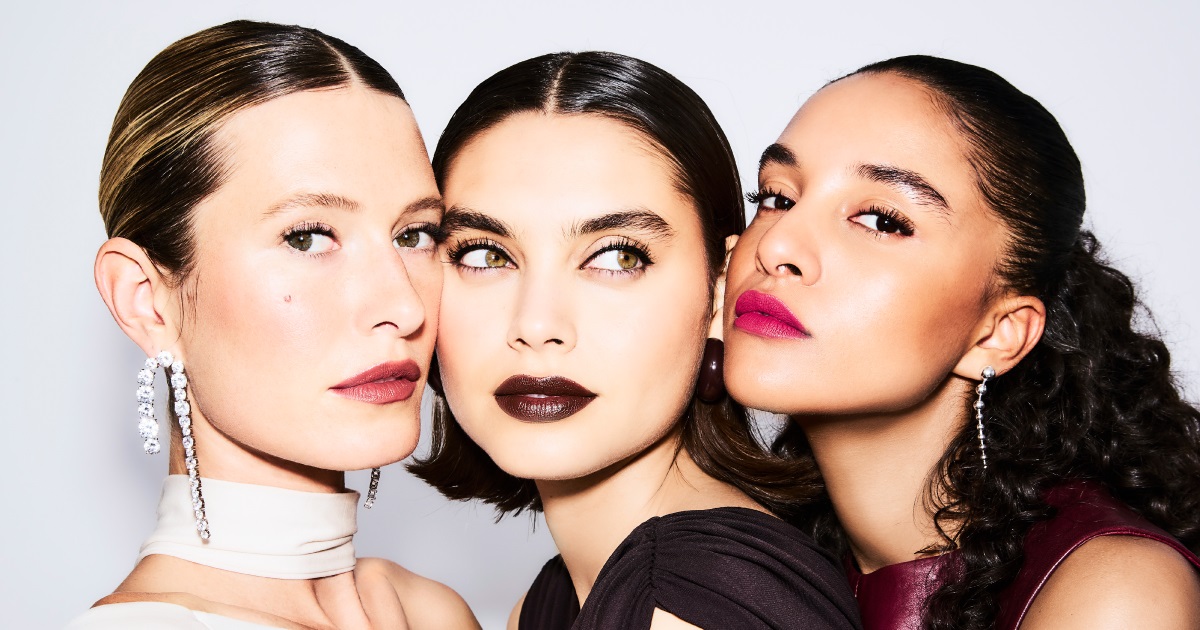
- Red: Passion, confidence, power, and sensuality. Psychologists note it signals boldness and can boost perceived attractiveness and competence.
- dermaliscio.net
- Pink: Femininity, playfulness, youth, and approachability. Baby pink suggests innocence; bolder pinks convey fun energy.
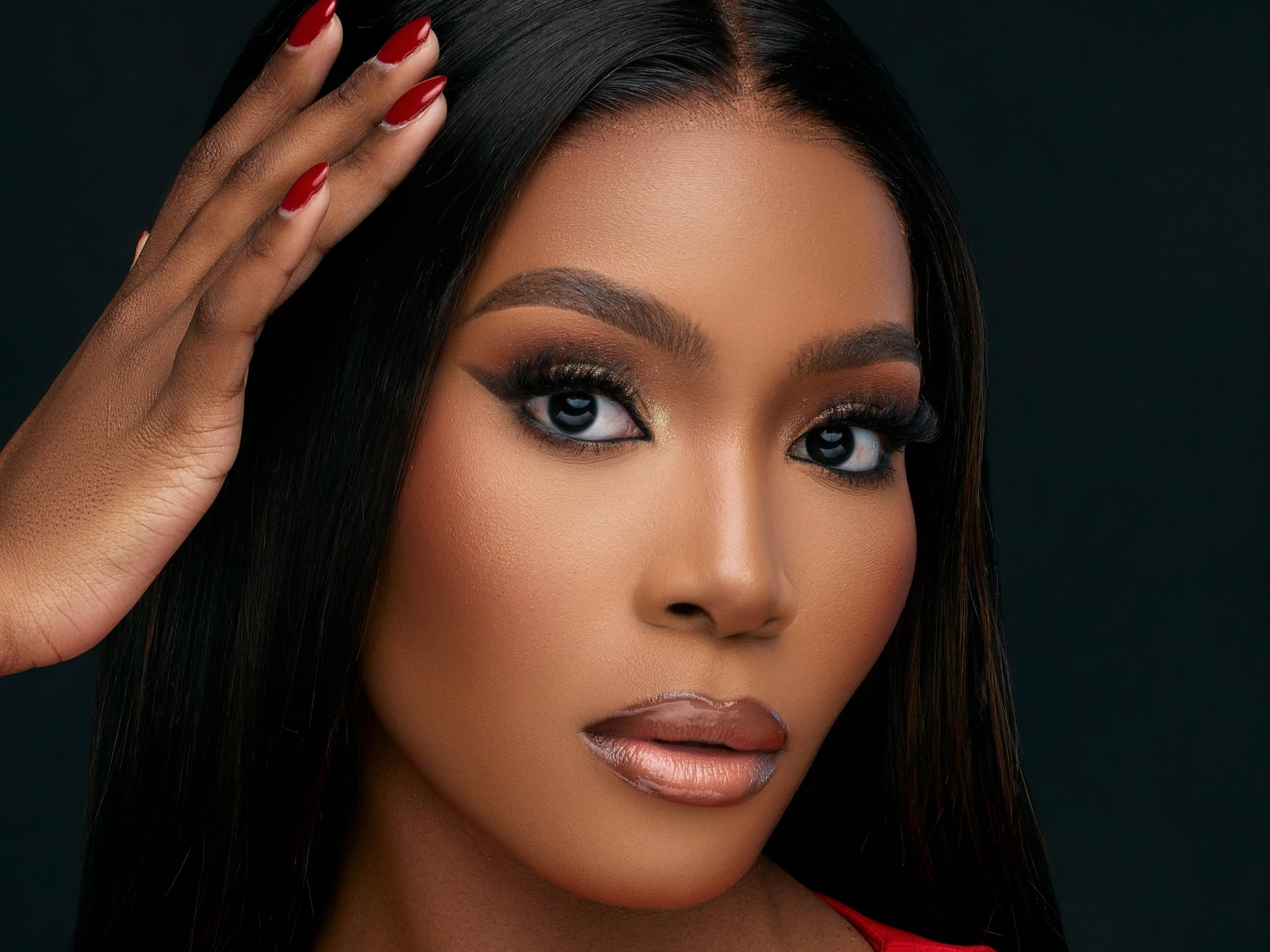
- Nude/Brown: Neutrality, sophistication, and natural elegance—versatile for a “no-makeup” look.
- Berry/Plum: Mystery, creativity, and refinement.
- Black/Purple: Rebellion, strength, and alternative edge.
(Source: nobodyisugly.com)
Experts’ advice on matching attire varies.
Traditional rules suggested coordinating (e.g., red lips with warm or neutral outfits) for harmony, but contemporary stylists favor contrast or monochromatic looks for impact.
A bold red lip can anchor a simple black dress or pop against neutrals. Makeup artists emphasise skin tone, undertones, and occasion over strict matching—ultimately, personal confidence rules.
Colour theory helps: complementary shades enhance vibrancy, while analogous tones create cohesion.
(Source: youtube.com)
How Lipstick Is Made and What It Costs
Modern lipstick is a precise blend: roughly 50–70% oils (castor, mineral, jojoba), 20–30% waxes (beeswax, carnauba, candelilla for structure and glide), 5–15% pigments, plus emollients, fragrances, preservatives, and antioxidants.
(Source: silverson.com)
Manufacturing involves:
- Milling pigments with oils for smooth dispersion.
- Melting and mixing waxes/oils.
- Combining phases, pouring into molds, cooling, and finishing (flaming for gloss).
High-end formulas add skincare benefits like hyaluronic acid or SPF.
Retail prices range widely: drugstore options under $10–20, prestige brands $25–50+, and luxury or custom pieces much higher.
The global market thrives on innovation in long-wear, matte, or vegan formulas.
(Source: madehow.com)
Hygiene Concerns and the Mystery of the Disappearing Lipstick
A practical question lingers: Where does lipstick go?
Much of it transfers to cups, masks, or clothes, but a significant portion is ingested.
Studies suggest women may consume 4–9 pounds (or more) over a lifetime through eating, drinking, and licking lips—roughly 20–80 mg daily on average.
(Source: peoplespharmacy.com)
Hygiene and safety concerns include:
- Heavy metals (lead, cadmium) in trace amounts in some products, raising questions about long-term accumulation, especially with daily use. Regulatory limits exist, but experts recommend choosing reputable brands and checking for certifications.
- pmc.ncbi.nlm.nih.gov
- Microbial contamination from sharing or improper storage.
- Irritation: Dryness, cracking, or allergic reactions from fragrances, dyes, or preservatives.
- cosmoderma.org
- Removal before bed and quality products minimize risks. Most pigments pose low acute toxicity if swallowed in small amounts, but vigilance matters for children and heavy users.
- poison.org
Despite these, lipstick’s popularity endures.
Formulators increasingly prioritize clean, sustainable ingredients.
From gem-crushed pastes to swivel tubes in purses worldwide, lipstick fascinates because it is more than pigment—it is armor, art, and assertion.
In an era of self-expression, that bold swipe remains a small, powerful act of claiming space and joy.
Whether a classic red for power or a sheer tint for everyday ease, its allure is timeless: a dash of color that reminds us beauty can be both ancient ritual and modern choice.
Disclaimer: This article was compiled using the AI tool Grok on X and may contain inaccuracies
RELATED: Own Your Magic: Catrice Makeup Masterclass At Clearwater Mall – The Bulrushes