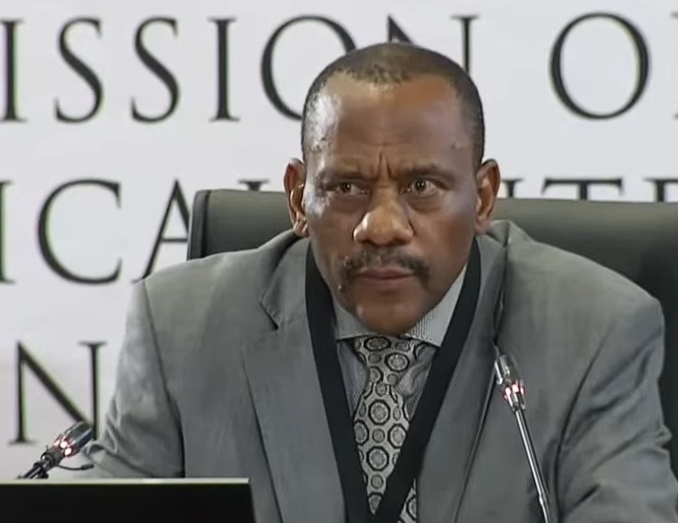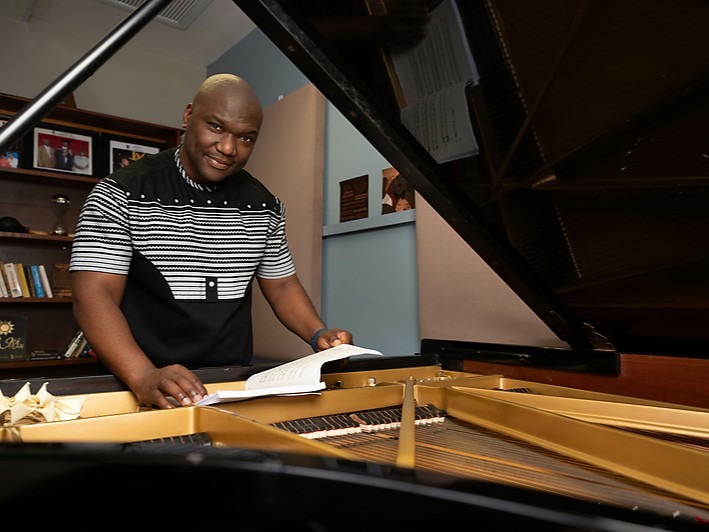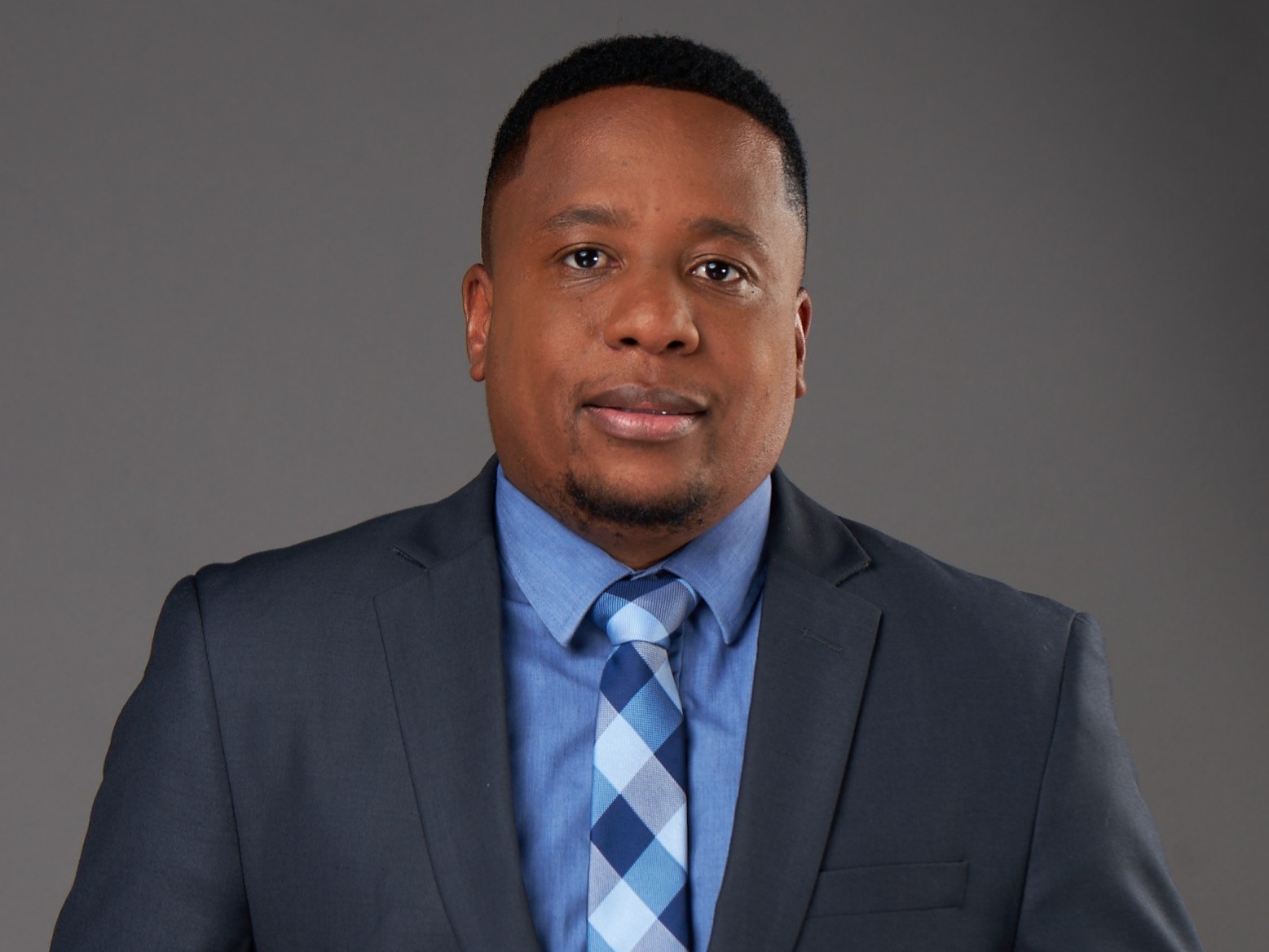
Cape Town – Juniour Khumalo is the kind of reporter who thrives on being where the story unfolds.
From navigating the crowded streets of Johannesburg to entering informal settlements in the Northern Cape, he understands that journalism is not just about telling stories – it’s about experiencing them.
His dedication to accurate, impactful reporting is a reminder of why reporters are so vital in shaping our understanding of the world.
Khumalo’s journey into journalism began with a love of art.
“I was fascinated by how an artist could communicate so much with a few brush strokes or a sculpture,” he recalls.
But Khumalo found the ambiguity of art (how a message could be interpreted in countless ways) both limiting and frustrating.
This led him to creative writing and eventually to an undergraduate focus on English Literature, African Literature, and media studies at Wits University.
Khumalo’s passion for storytelling deepened during his honours in journalism while working for the campus newspaper, WitsVuvuzela.
“I spent nearly six years exploring how words can paint a picture, from print publications to online platforms,” he explains.
The transition to broadcast reporting was initially daunting.
“It was about stepping out of my comfort zone, confronting my fear of public speaking, and discovering a new way of telling stories,” Khumalo says.
“TV news reporting allowed me to connect with audiences in real time, bringing stories to life visually and emotionally.”
For Khumalo, Newzroom Afrika has been the perfect platform.
“It’s a relatively new broadcaster, which makes it exciting,” he says.
“’The content, the picture quality, and the type of stories reported on really appeal to me.”
Reporting often requires juggling multiple assignments. Khumalo prioritises based on potential reach, impact, and feasibility.
“I consider how far a story can go, and how realistic it is for me to access sources and put the story together,” he explains.
Adaptability is another key skill, particularly when reporting across South Africa’s diverse communities.
Khumalo recalls a story in Kimberley, Northern Cape, covering water challenges in informal settlements.
“Every story requires a different approach,” he explains.
“I had to enter the community with humility and sensitivity, ensuring people were comfortable with cameras and microphones while discussing very personal and difficult circumstances.
“ It’s a different reality from political reporting in offices or boardrooms.”
Looking ahead, Khumalo believes the future of journalism is digital, agile, and audience-focused.
“A journalist can no longer just report in the traditional sense.
“We need to understand social media platforms, explore new ways to engage audiences, and be willing to innovate while maintaining credibility and accuracy.”