Johannesburg – The Comrades Marathon is celebrated for its spirit, endurance, and meticulous organisation, but behind the scenes, its success is built around something far less visible: disciplined, year‑round risk planning.
As South Africa’s largest and most complex road race, the Comrades Marathon demonstrates that major events are never managed on the day; they are safeguarded through months of preparation, specialist partnerships, and a deep respect for the unexpected.

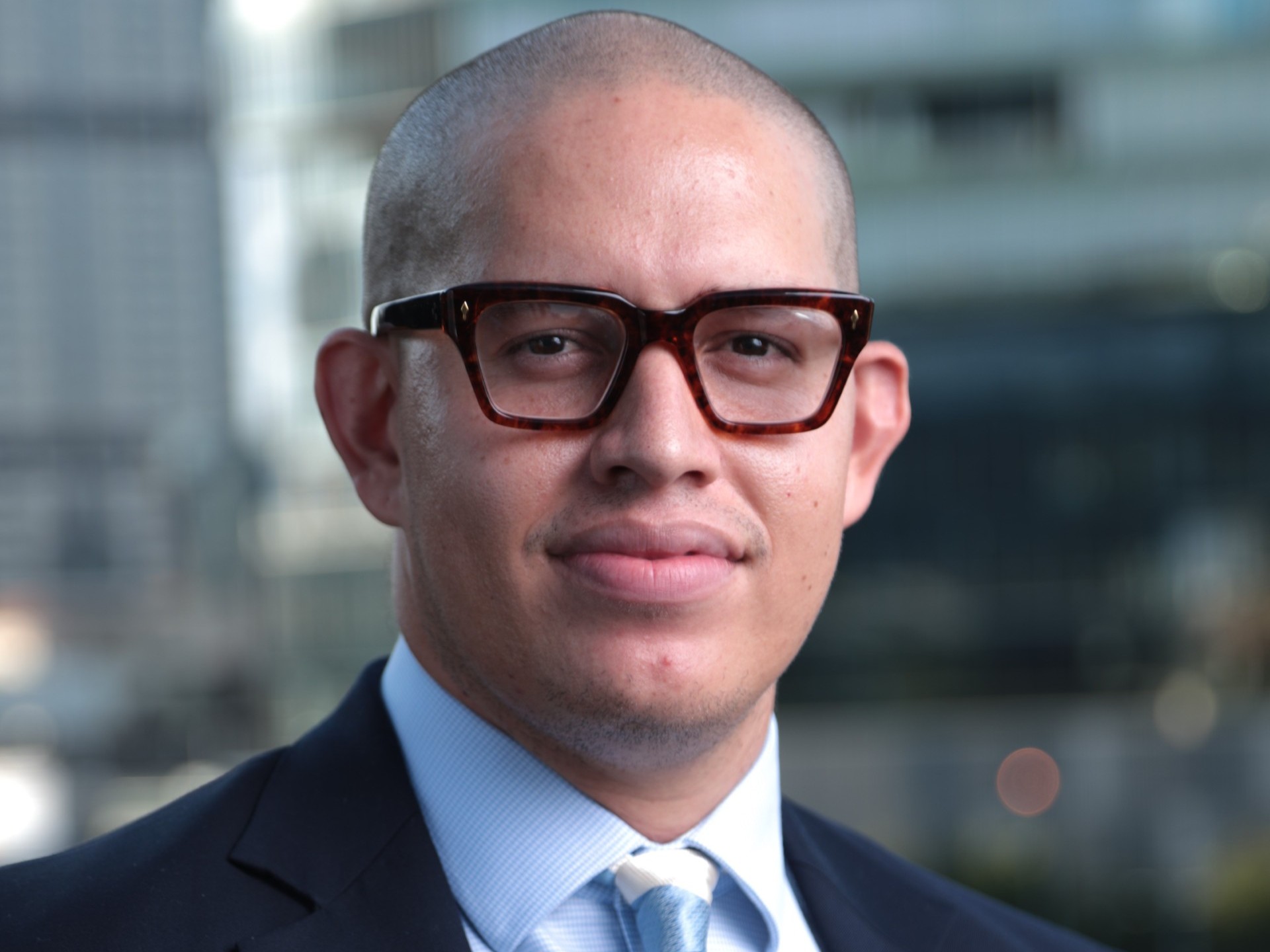
Mamoeti Nosi, Product Head for Events Insurance at iTOO Special Risks, states that the scale of an event like The Comrades Marathon fundamentally reshapes the risk landscape.
“When you have more than 20 000 runners, thousands of volunteers, and spectators spread across 85.777km between two cities, you’re dealing with a level of complexity that few other events face,” Nosi explains.
“It’s an open‑air, high‑endurance environment where weather, health, logistics and human behaviour all intersect.”
Planning for disruption, not perfection
Organisers know that perfection is never the plan – resilience is.
The Comrades Marathon, like other major events, prepares for multiple scenarios long before the first runner arrives at the start line.
Nosi notes that risk planning should begin almost immediately after the previous event concludes.
“The best time to start planning is the moment the last event ends. That’s when learnings are fresh, gaps are visible, and improvements can be embedded,” Nosi said.
This continuous cycle of review and refinement is what allows major events to adapt to shifting conditions, from climate volatility to changing safety regulations.
Experience, she adds, is one of the most powerful tools in an organiser’s arsenal.
“Every event teaches you something,” Nosi said.
“The more you engage with experts, such as safety officers, medical and emergency teams, insurers and weather specialists, the stronger your preparedness becomes.”
Managing what cannot be controlled
Even the most seasoned organisers cannot control every variable.
Extreme weather, civil unrest, infrastructure failures and medical emergencies remain ever‑present risks. But while these events cannot always be prevented, their impact can be managed.
“Climate change has made weather far more unpredictable, even in traditionally stable seasons,” Nosi said.
“That’s why event cancellation cover is so important.
“You can’t forecast unseasonal severe hail months in advance, but you can protect the financial health of your event if it forces a cancellation.”
Event liability cover is equally critical.
With thousands of participants and spectators, the potential for third‑party claims is significant.
“Public liability insurance ensures that if someone is injured or property is damaged, and the event organiser is accused of negligence or held liable, the organiser has the legal and financial protection needed to respond to such claims,” Nosi points out.
“It’s a fundamental part of responsible event management.”
Avoiding common pitfalls
While major events often have sophisticated systems in place, smaller organisers can fall into avoidable traps.
Overselling tickets, failing to vet suppliers and hosting events in unsuitable seasons are among the most common mistakes.
“Every supplier you bring in – from caterers to staging companies – should have their own risk management and insurance in place,” Nosi advises.
“If something goes wrong because of a supplier, you need to know they can respond appropriately, even if you, as the event organiser, have been prudent in getting your own insurance covers.”
She also stresses the importance of understanding the regulatory environment.
South Africa’s Safety at Sports and Recreational Events Act (SASREA) provides a clear framework for risk mitigation, yet many smaller organisers overlook it.
“Familiarity with SASREA is essential. It guides everything from safety planning to emergency response,” said Nosi.
Partnerships that strengthen resilience
No event succeeds alone.
The Comrades Marathon relies on a network of partners, including medical teams, law enforcement, meteorologists, logistics providers and insurers, to name a few, each playing a specialised role in safeguarding the race.
“Insurance is not just a financial product; it’s a risk‑management partnership,” Nosi shared.
“We work with organisers to ensure they’ve asked the right questions, vetted the right people, and put the right structures in place.
“It’s an additional layer of protection that strengthens the entire event ecosystem.”
A lesson from South Africa’s most iconic race
For Nosi, the key takeaway for event organisers of all sizes is simple: surround yourself with expertise.
“Have the right backing. When you work with specialists, whether they’re medical professionals, weather experts, or insurers, you’re not just planning an event; you’re building resilience. And resilience is what carries you through the unexpected,” she said.
As the Comrades Marathon continues to demonstrate year after year, the success of a major event is not defined by what happens on race day, but by the months of preparation that ensure it can withstand whatever race day brings.