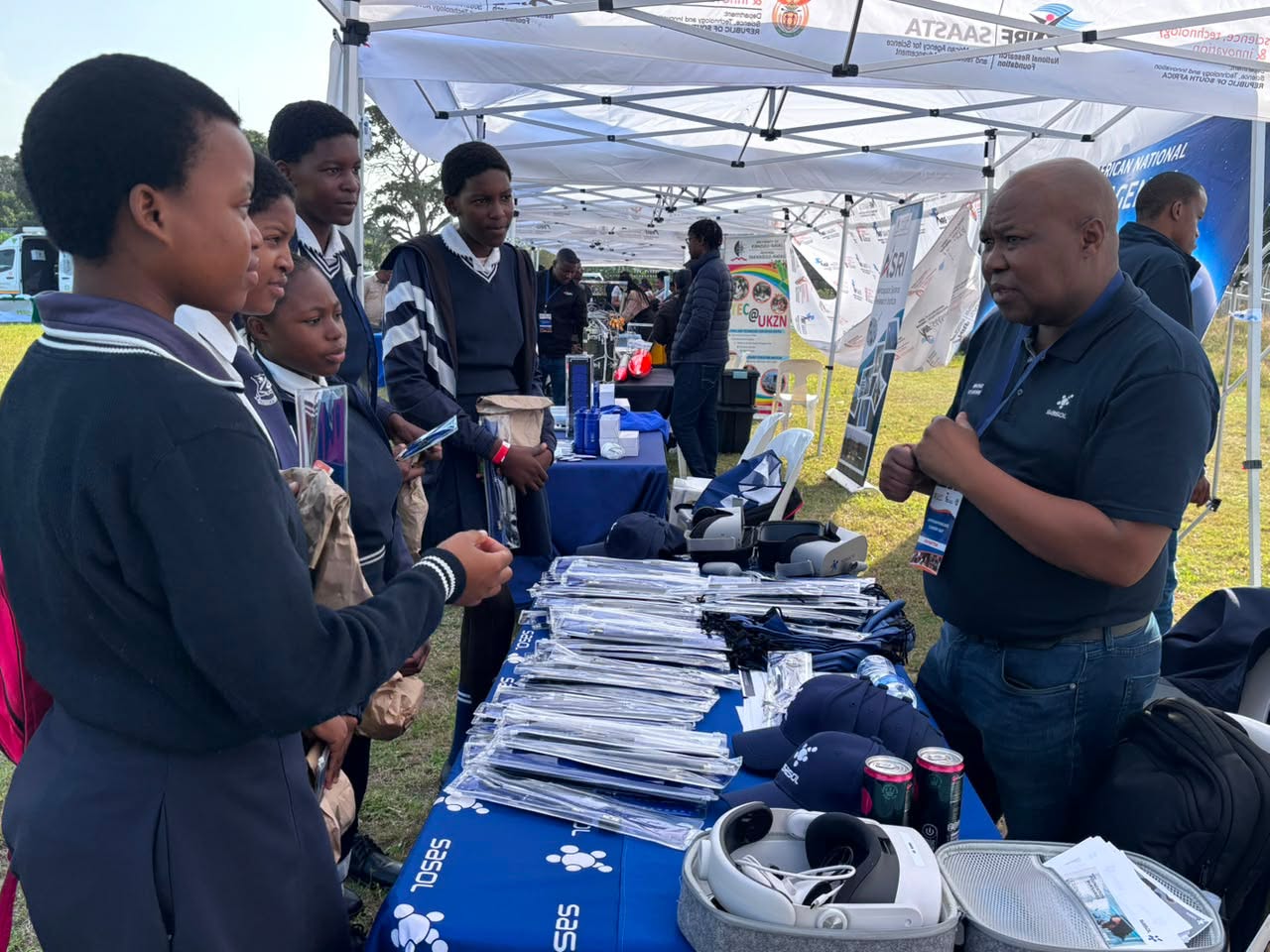
Durban – Deputy Minister of Science, Technology and Innovation, Dr. Nomalungelo Gina, has called for innovation support to be brought closer to townships and communities, saying accessible and inclusive innovation ecosystems are essential to unlocking young people’s potential and advancing inclusive industrialisation.
Dr. Gina visited Innovate Durban Living Lab in Cato Manor on Tuesday 28 July 2026, where she engaged with young innovators, entrepreneurs and beneficiaries of programmes funded by the Department of Science, Technology and Innovation (DSTI) and its entity, the Technology Innovation Agency (TIA).
“By locating innovation support closer to townships and communities such as Chesterville, we are lowering the barriers that often prevent talented young people from pursuing their ambitions,” said the Deputy Minister.
“A young innovator should not have to spend money they do not have simply to access advice, guidance and support. Innovation ecosystems must be accessible, inclusive and rooted in communities.”
The visit formed part of activities linked to the SADC Industrialisation Week 2026 currently underway at the Durban International Convention Centre.
It showcases how investment in science, technology and innovation is driving enterprise development, skills development, digital inclusion and community-based solutions across KwaZulu-Natal.
She added that the ecosystem must create conditions that attract venture capital and private sector investment into innovation ecosystems, saying investors should see townships in South Africa as places of opportunity.
She also called for alignment of resources to create seamless pathways that support innovators from ideation to commercialisation.
The Innovate Durban Living Lab is a community-facing innovation platform established and managed by Innovate Durban.
It provides access to innovation tools, digital resources, skills-development opportunities and enterprise-support activities for local innovators, entrepreneurs and community members.
The Lab supports practical problem-solving, youth and community participation in innovation, new venture creation and the use of emerging technologies to address local development challenges.
The Deputy Minister said industrialisation in the twenty-first century was no longer driven only by factories, mines and machinery.
It is increasingly driven by knowledge, technology, intellectual property and innovation.
She expressed appreciation for the more than 70 businesses that have been registered at Innovate Durban, 51 jobs created, R7.3 million investment and seven innovators involved.
“This is proof that whenever we talk about industrialisation, there is no way we can leave science out,” Dr. Gina, adding that successful innovation builds world-class companies, investing not only in finished products but in people, ideas and possibilities.
CEO of Innovate Durban, Aurelia Albert, expressed excitement at the visit by the Deputy Minister to witness first-hand the impact that the DSTI and TIA were making in the lives of the innovators and the Cato Manor community.
She mentioned that Innovate Durban was the first township innovation hub in KwaZulu-Natal, with others established in areas such as uMgungundlovu and Richmond.
“In the next few months, we will be opening the doors of the first innovation hub in uMlazi, south of Durban,” said Ms Albert.
“This is a good example of a public-private partnership.
“Just like Innovate Durban is, we believe in the strength of these partnerships.
“It cannot be government doing it all alone.
“We need the private sector, international partners and the civil society to come on board.”
The visit included a tour of several of the projects registered at Innovate Durban.
Tropical Paradise Smoothie Bar is a woman-owned company, which manufactures locally-sourced fruit into smoothies, dehydrated fruit and citrus-based products, with a mobile smoothie bar as a route to market.
Founder Ayavuya Sibisi says the project applies a circular manufacturing model that reduces food loss while creating sustainable economic opportunities across the agricultural value chain.
“South Africa produces approximately 31 million tonnes of food annually, yet an estimated 10 million tonnes is lost to across the value chain each year,” said Sibisi.
“This highlights the urgent need for innovative agro-processing solutions that recover nutritious produce before it is discarded and converted into products with a longer shelf live and greater market value,” said Sibisi.
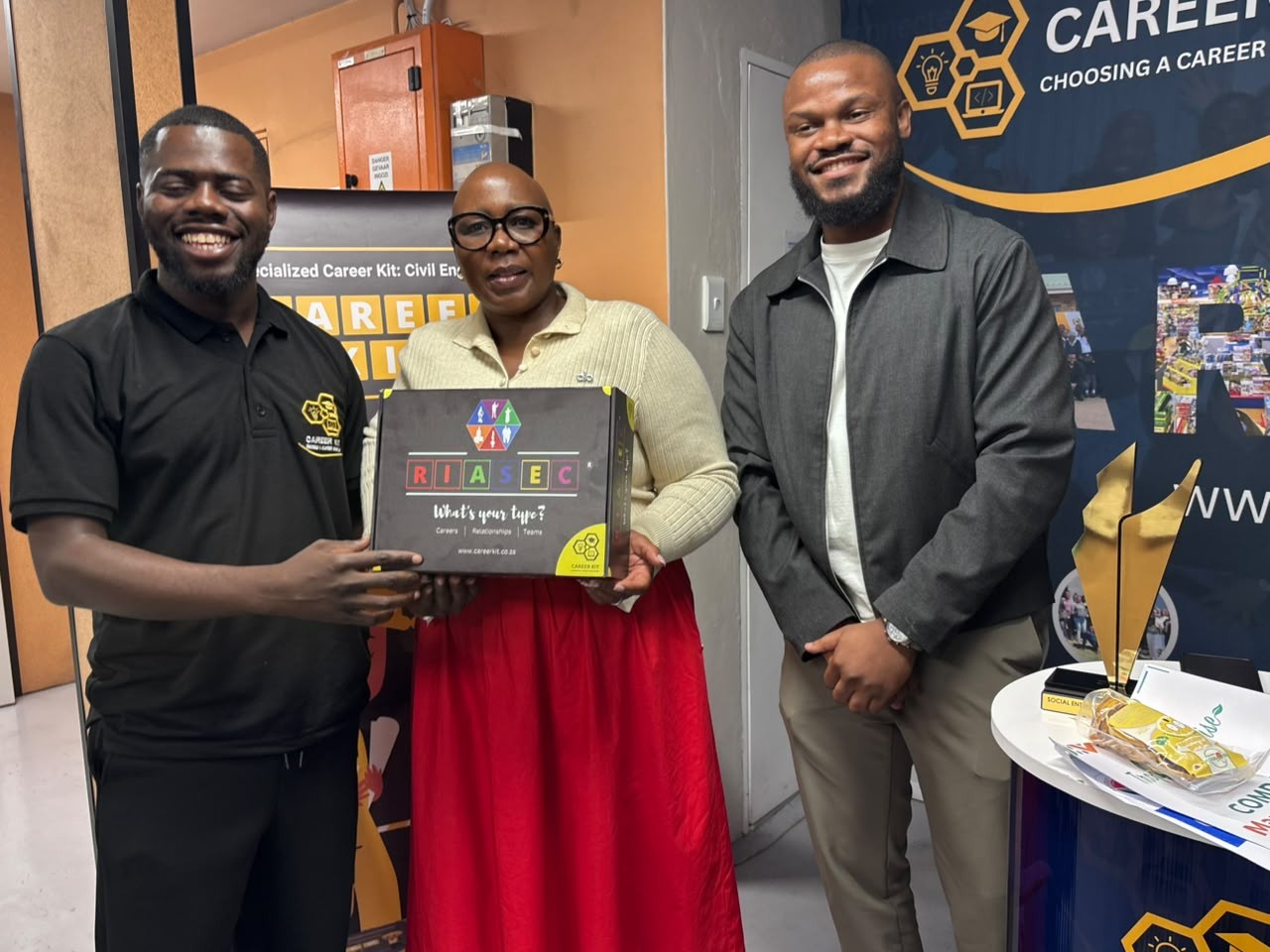
Another project displayed was a gamified and AI-enabled career guidance solution, CareerKit that helps learners identify career pathways aligned to their interests, strengths and future skills needs.
Mcebo Mushroom Agribusiness is an inclusive mushroom cultivation and agro-processing initiative that supports skills transfer, enterprise development and cooperative formation using low-cost production methods.
The visit highlighted the important role Living Labs and innovation ecosystems play in creating opportunities for local innovators while supporting inclusive economic growth and industrialisation.
Last week, there was a high turnout at a science and tech career expo in rural Manguzi, KwaZulu-Natal.
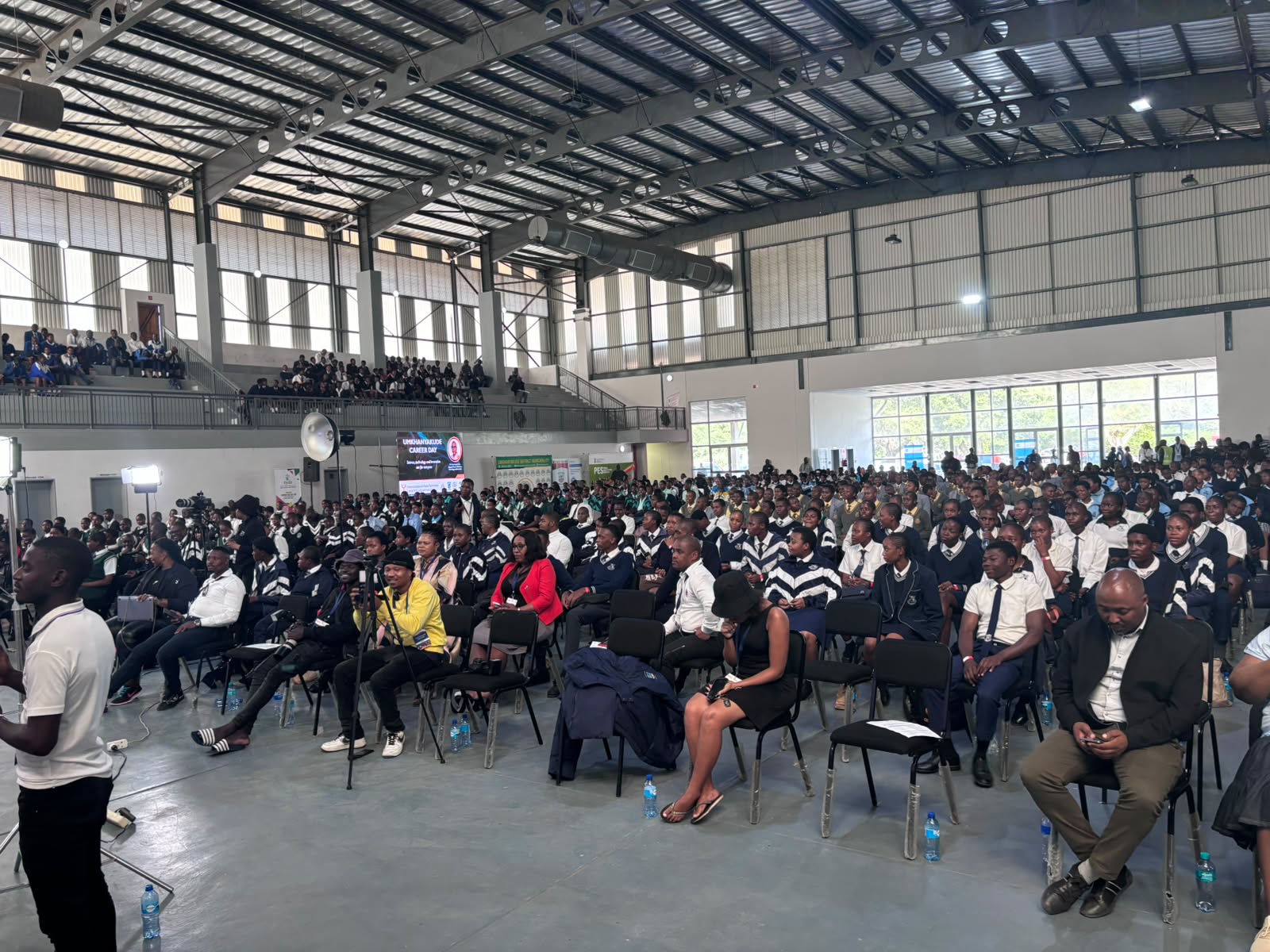
More than a thousand learners from schools across the uMkhanyakude District Municipality attended the career expo hosted by the Deputy Minister of Science, Technology and Innovation, Dr. Nomalungelo Gina, in Manguzi on Friday, 24 July.
Held as part of the DSTI National Science Month programme, the expo sought to expose learners in this deep rural and poverty-stricken area to career opportunities in science, technology, engineering and mathematics (STEM), while inspiring them to pursue studies and careers in these critical fields.
The first-of-its-kind event in the area, the expo featured a range of interactive science and technology exhibitions and demonstrations, including virtual reality, cybersecurity, agriculture, energy generation and other emerging technologies.
Learners also had an opportunity to engage directly with exhibitors and professionals from various sectors.
Addressing learners in both English and the local isiZulu language, Deputy Minister Gina urged them to take advantage of opportunities presented through science and technology education.
“Thandani iMathematics kanye neScience batabami. Ikusasa lenu loqhakaza, futhi nohamba umhlaba wonke,” said Dr. Gina.
“A learner who passes Grade 12 with Mathematics and Science is exposed to valuable opportunities to enter careers that South Africa needs today and in the future.
“Do not run away from mathematics and science.
“These are not subjects only for clever learners, but for anyone willing to work hard and succeed.”
The Deputy Minister told the learners that the future of Manguzi was in their hands.