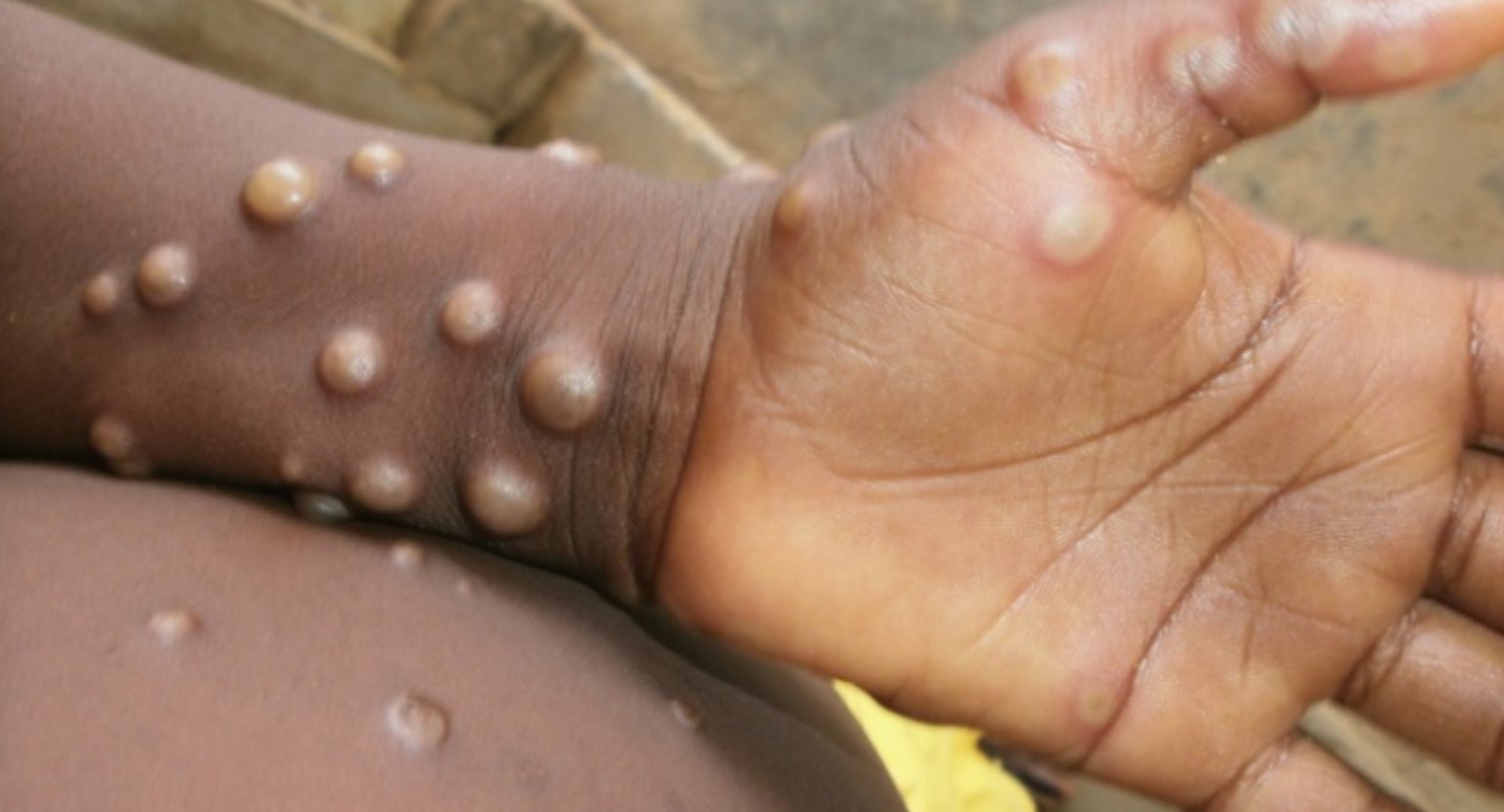
Johannesburg – The Department of Health has announced that four more Mpox cases have been laboratory-confirmed in South Africa.
Notifying the public about the new Mpox cases, the department on Sunday, 18 October 2026, stated that the cumulative national total rose from 22 to 26 cases reported this year.
“These 26 laboratory-confirmed cases are distributed as follows: 18 from the Western Cape, three from Gauteng, two from the Eastern Cape, two from the Free State and one from KwaZulu-Natal,” said department spokesperson Foster Mohale.
“Of the 18 cases reported from the Western Cape, two were imported cases involving foreign nationals visiting South Africa, while the remaining 16 cases were linked to local transmission.”
Mohale said 25 of the 26 cases are male, with ages ranging from 23 to 50 years and a median age of 37 years.
He said Clade and lineage information was currently available for 17 cases, of which 13 are associated with the Clade Ib mpox virus and four with Clade IIb.
The department urged members of the public to remain vigilant and to seek healthcare promptly if they develop symptoms such as a rash, fever, headache, muscle aches, swollen lymph nodes, or fatigue.
“Individuals who have been in close contact with a confirmed or suspected mpox case should inform healthcare workers and monitor themselves for symptoms for 21 days,” Mohale said.
“Should symptoms develop, they should avoid close contact with others and seek medical attention. Mpox is a preventable and treatable viral infection.
“The public is reminded to avoid close, skin-to-skin contact with anyone who has an mpox-like rash, and not to share bedding, towels, clothing or other personal items with affected individuals.”
Healthcare workers wee also urged to maintain a high index of suspicion and to adhere to infection prevention and control protocols when managing suspected cases.
The department said it will continue to work closely with the National Institute for Communicable Diseases (NICD), provincial health authorities and other stakeholders to strengthen surveillance, case finding, contact tracing, risk communication and community engagement in order to contain further spread of Mpox.