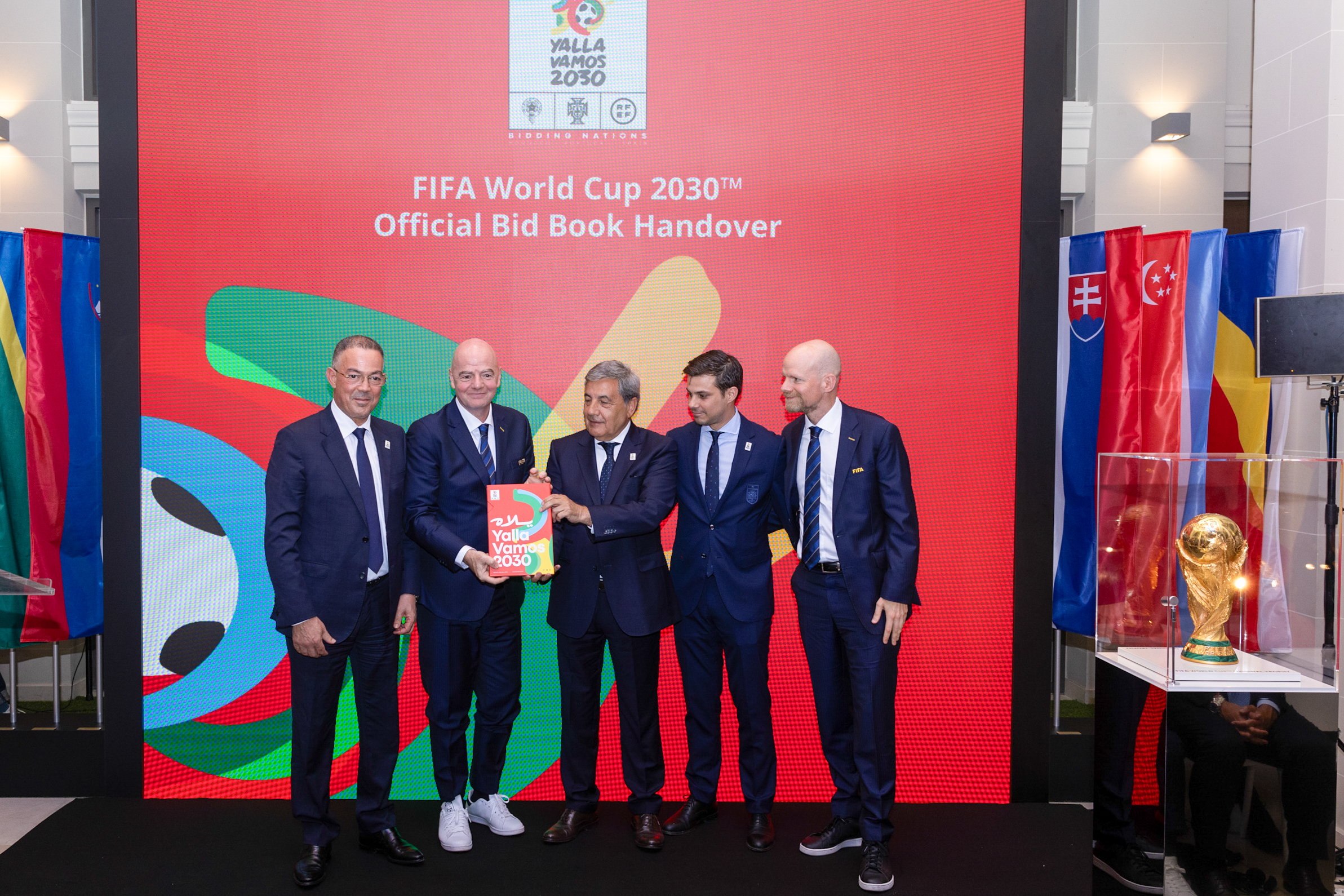
“To everyone who missed our beautiful game, the emotions, the celebrations, the laughter, the crying, the deception, and the joy,” FIFA president Gianni Infantino said after the recent World Cup.
“To all of you who missed watching kids, babies, grandparents, and parents come together for the beautiful game, I say sorry that the matches are now over and sorry that you missed all that joy and togetherness.
“Sorry that you were so consumed by hate and criticism that you missed it all.”
The words Infantino uttered after the 2026 FIFA World Cup are debatable, to say the least.
Some have countered that the criticism or questioning of the various incidents and refereeing decisions during the tournament were legitimate concerns rather than expressions of hate and criticism.
Either way, because football is a game with billions of fans, there’s no way all of them share the same views about football matters.
At least from a positive angle, Infantino’s remarks were, in part, about family when he said: “To all of you who missed watching kids, babies, grandparents, and parents come together for the beautiful game”.
It is this part of Infantino’s message that should inspire family unity, family values, family reunions, family meetings, family businesses, family education, and family history.
This is what FIFA and the rest of the world must promote.
Many dysfunctional or broken families have led to broken dreams.
Visions and lives are languishing in jails or hopelessly in environments or in groups that are not helping to advance the well-being of many across the globe, especially the children and the youth.
A powerful and influential global brand like FIFA can certainly make a more positive impact to rebuild the family unit globally through football.
Of course, FIFA has some family-oriented programs like the FIFA Family Fun Fest.
But the argument here is for a more comprehensive, multi-sector FIFA-led family program that runs as part of the schooling curriculum.
Another helpful possibility could be that Infantino and FIFA should seek to engage those who “criticise” or are “filled with hate” about the work FIFA is doing.
FIFA could seek to understand where those who criticise or question its actions are coming from.
At any rate, conversations and communications among all football’s stakeholders should form the basis of how FIFA conducts it’s affairs, especially regarding accountability and transparency.
Such a move would really improve the levels of communication within the football world and contribute to greater inclusivity and unity of the whole football fraternity.
The question remains: Will FIFA seek to create channels of dialogue between confederations, national associations, fans and other stakeholders?
FIFA can do more through partnerships to improve the human family and the football family.
Surely time will tell.
*The writer of this article is media veteran Thandisizwe Mgudlwa, who has more than 25 years of experience as a reporter, editor, blogger, entrepreneur, and consultant. However, the views expressed by Thandisizwe Mgudlwa are not necessarily those of The Bulrushes