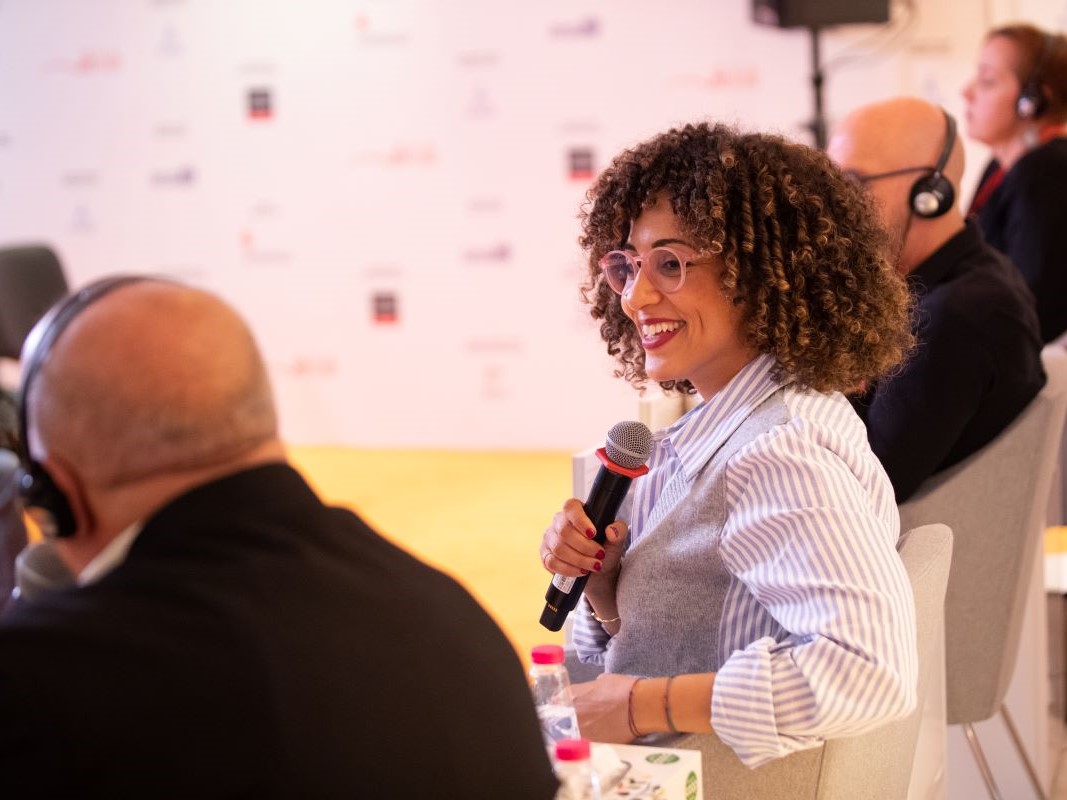
Sharjah (UAE) – Veteran editors have given a glimpse of how they cultivate and nurture relationships with authors that lead to the publication of bestselling books.
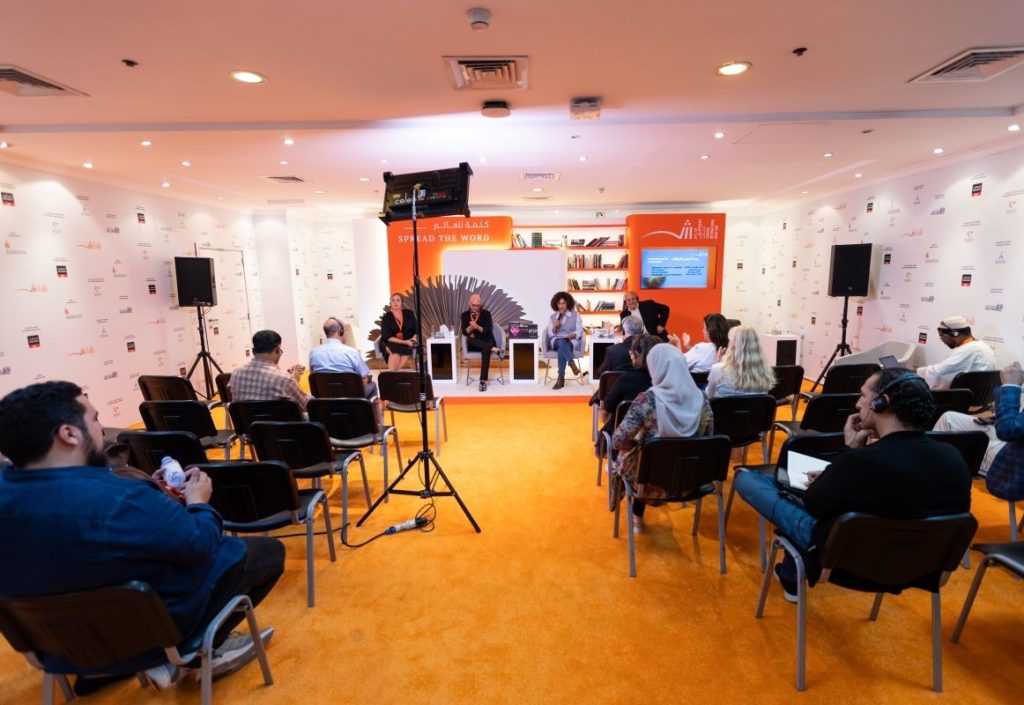
The relationship between the author and the editor and lessons learned within the space was at the centre stage on Saturday night – the third day of the world’s largest publishing gathering, the 41st Sharjah International Book Fair (SIBF).
The forum moderated by Layla Mohamed featured an esteemed panel of accomplished writers, editors and publishers.
Among them was Mohammed Eissa al-Mu’adab, a Tunisian novelist and short story writer who won the 2017 Tunisian Golden Comar Prize for the Arabic Novel, Soft Jihad.
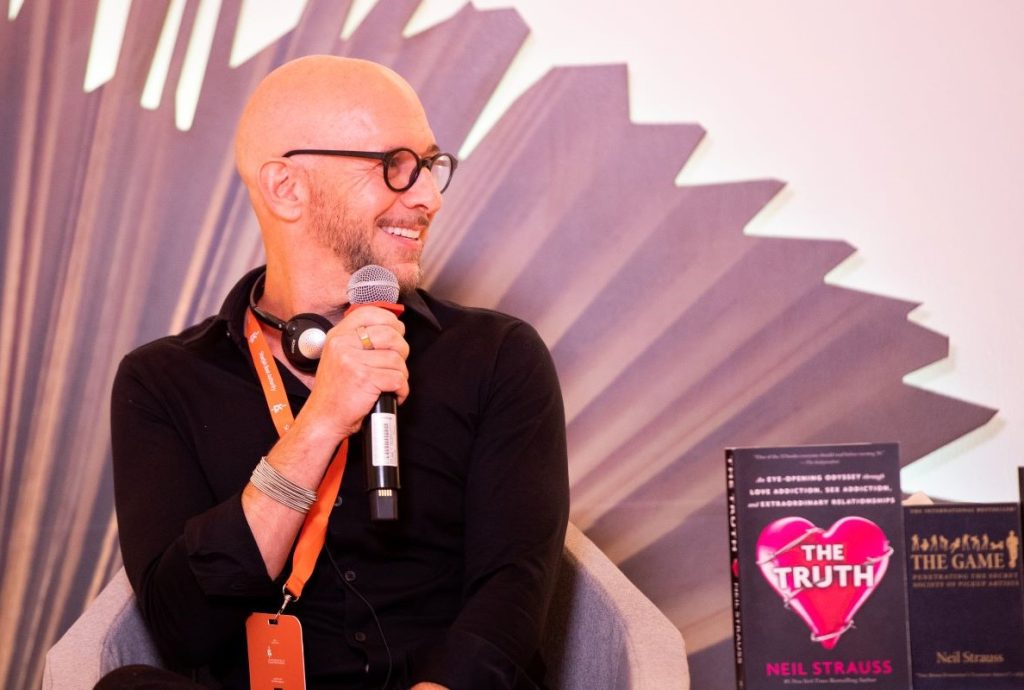
Neil Strauss is an award-winning American author, acclaimed podcaster, and a life-long contributing editor at Rolling Stone.
There was also American publishing stalwart Carrie Thornton, the Vice President and Editorial Director at Dey Street Books, a division of HarperCollins Publishers.
Thornton described her role as an editor and the many different aspects of managing authors in the space.
Thornton, who has been behind the success of over 50 New York Times bestsellers, said her job as an editor was to form a truly intimate relationship with her authors and forge a wonderful friendship.
“I take on the role of a therapist and a teacher. I am also the steward of my author’s career for the long term, working on multiple books through the years, helping them decide what to work on next,” she said.
“I have two very important roles – the first, to be the mouth-piece for my authors in the publishing house, advocating for my author to my colleagues who are selling their books to the stores and distributors, and secondly, being a constructive critic, helping them produce their best work possible.”
Thornton explained how social media platform TikTok has been vital in encouraging the younger generation to read and have an interest in books, especially in the fiction category.
“Anything that gets younger people to read is great in my book,” she said.
Strauss expanded on the balance of being both a motivator and a pundit, saying editors were very good at delivering what he liked to call a “compliment sandwich”.
“This is where we tell the author, ‘this is what I love about the book’, then we tear it apart, but reassure them that we really love their work,” he said.
“I would say the only reason I am a decent writer is because I had good editors and I think it rings true to anything you do in life – if you produce something in a vacuum, with no one telling you how to make it better, you don’t get better.”
Al-Mu’adab explained his account of the editor/author dynamic and how it’s the editor’s job to take the role of the reader or public eye.
“An editor is like a surgeon, we have to be precise with our criticism but also remain sensitive to our authors to give them constructive feedback,” he said.
“The reader of today is intelligent and does not accept any book, and the authors and publishing houses that will flourish are the ones that will value the guidance of their editor.”
Al-Mu’adab ended with the point that it was important for authors to not be sensitive to criticism and that they should trust in the guidance of their editors, saying this was a team sport and that great writers need great editors to create amazing books.