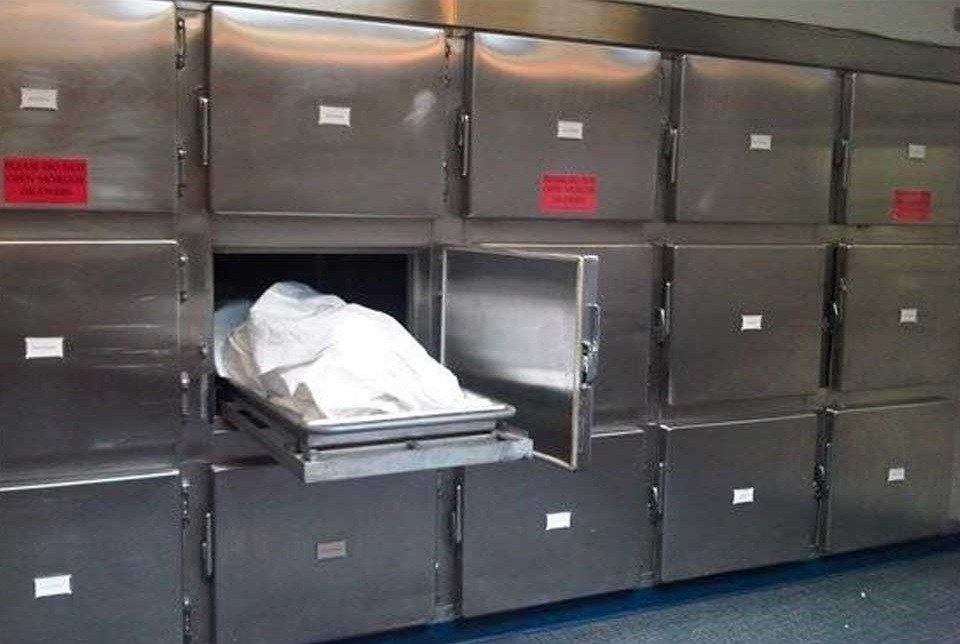
Cape Town – More than 3 000 bodies remain unclaimed in state mortuaries in South Africa, the Department of Health has revealed.
The Portfolio Committee on Health in Parliament this week heard that: “As of August 2024, a staggering 3 186 bodies remain unclaimed nationwide, with KwaZulu-Natal (KZN) accounting for 1 527 cases, while the Eastern Cape has 526 cases”.
The committee was briefed Wednesday, (20 September 2024), by the Department of Health that many of the bodies were unclaimed – not due to a lack of identity documents – but because relatives have not come forward to identify or retrieve them.
The committee received the briefing on the status of unclaimed bodies in state mortuaries as a response from the department on the Health Market Inquiry Report.
The department told the committee that it identified various factors contributing to the high number of unclaimed bodies.
According to the department, these factors included community-related factors and municipal and provincial-related challenges.
Other factors that the department highlighted included delays in collecting DNA samples, insufficient burial sites, and difficulties in identifying foreign nationals.
Committee members expressed concern over the statistics and the implications of unclaimed bodies for public health and the safety of personnel at the state mortuaries.
Some committee members stressed the need for transparency regarding investigations into alleged corruption in mortuaries where families were reportedly charged excessive fees to claim bodies.
During engagements, committee members raised several questions about the identification processes for bodies, specifically the efficiency of current DNA collection and testing protocols.
The committee questioned the reasons behind the high number of unclaimed and unidentified remains.
It sought clarification on how the department plans to address the backlog that hinders the identification of deceased individuals.
Some committee members expressed apprehension about the lack of follow-up on identified bodies and suggested establishing a tracking system for families of missing persons to facilitate communication and retrieval of remains.
Some committee members called for better coordination among local municipalities to address burial site shortages and recommended that private mortuaries share best practices for managing unclaimed bodies.
In response, the department informed the committee that it started efforts to establish a task team to ensure accountability and transparency in managing unclaimed bodies.
It confirmed that a backlog at forensic labs currently hinders DNA sample processing.
It told the committee that efforts are underway to expedite testing through enhanced collaboration with the South African Police Service and improved resource allocation.
The department said it is also engaging with provincial governments and municipalities to develop a comprehensive plan to address the shortage of burial sites, including exploring partnerships with private cemeteries and considering alternative burial methods.
The department told the committee that it acknowledged the need for a robust tracking system for unidentified bodies and committed to exploring the establishment of a centralised database accessible to families and relevant authorities.
Deputy Minister Dr. Joe Phaahla told the committee that in October, the department will provide a comprehensive overview of progress in addressing unclaimed bodies in state mortuaries.
He said the report will include detailed information on actions taken by the newly established National Forensic Pathology Service Committee, updates on the backlog of DNA testing, and efforts to streamline identification processes.