In 2023, the world saw ongoing tension and economic uncertainty similar to the previous year.
New conflicts arose, both locally and internationally, adding to an atmosphere of uncertainty.
Governance faced challenges as flawed elections in some regions led to military interventions, continuing a worrying trend of coups.
These events highlighted existing problems and made global politics and socio-economic issues more complicated.
The lingering effects of Covid-19 and the conflict in Ukraine continued to disrupt supply chains, making things harder globally.
Additionally, the increasing impact of climate-related disasters made addressing these challenges more urgent.
Amidst a series of challenges, African governments took charge of their paths in 2023, showing both progress and setbacks.
Kevin D. Mofokeng, a developmental writer, delves into seven major themes that shaped the African continent this year.
Climate Shocks
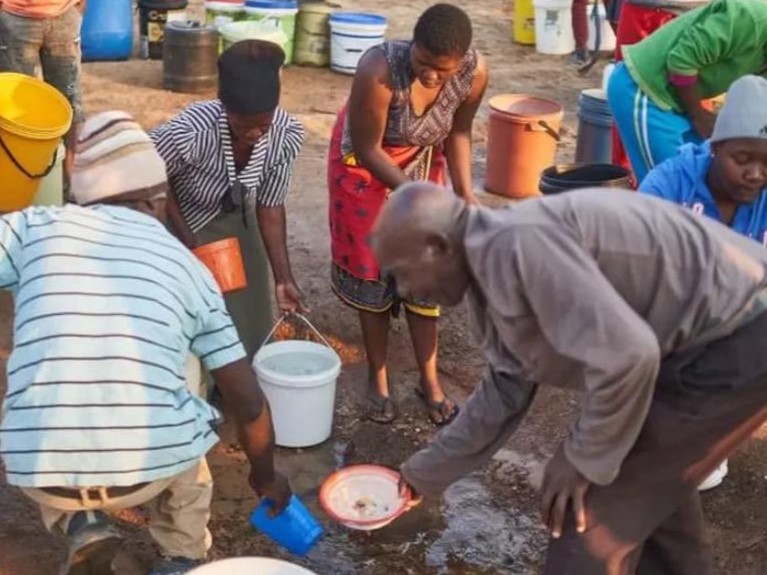
One significant issue was the prolonged drought in the Horn of Africa, lasting three years and spanning six seasons.
It reached a severity reminiscent of the 2011 famine, leading to a dire situation.
Statistics from the World Health Organization in August revealed that 2.3 million people were displaced due to this devastating drought.
The shift from drought to floods in the Horn of Africa brought further distress, displacing thousands and causing casualties across Tanzania, Kenya, Somalia, South Sudan, Malawi, Mozambique, and southern Angola.
These extreme weather events and persistent drought in certain areas particularly endangered pregnant women.
Leaders took notice of these climate shocks, prompting a significant moment: the inaugural African climate summit in Nairobi.
Here, they highlighted the disproportionate impact of climate change on Africa and urged Western nations with higher carbon emissions to contribute their fair share of climate taxes.
This emphasised the crucial need for global collaboration and fair action.
Lerato Ngakane, the Communications Director at the Global Oil and Gas Network, emphasised African negotiators’ strong stance during COP28, calling for a fair transition away from fossil fuels with equity and differentiation.
This highlights the crucial push for fairness in this transition.
Ngakane stressed the urgency for nations that have historically benefitted from emissions and fossil fuel-driven development to lead the way in phasing out these sources.
She highlighted the importance of redirecting public finances and investments toward renewable energy sectors.
This shift aims to empower developing nations to build renewable energy infrastructure, enabling a move towards sustainable industrialisation and fostering a fair global transition.
Cost of Living
Meanwhile, the cost-of-living crisis in Africa is escalating due to ongoing economic repercussions from the Covid-19 pandemic, compounded by disruptions in global food supply chains caused by the Russia-Ukraine conflict.
This economic strain has sparked widespread protests in several nations, including Kenya, Ghana, South Africa, and Tunisia.
These protests reflect the public’s frustration with the increasing economic hardships, showing a significant societal response to the growing cost-of-living crisis.
The Malawian president responded to dwindling foreign reserves by taking an unprecedented step: suspending government officials’ travel to conserve resources.
However, this fiscal tightening unintentionally led to more women turning to the sex trade for income.
In Nigeria, a sharp increase in fuel prices due to the sudden end of a long-standing subsidy and currency devaluation resulted in people reverting to old kerosene stoves and unconventional cooking methods reminiscent of earlier times.
Despite being considered external shocks, the lasting impacts of the pandemic and the ongoing conflict in Europe continue to heavily affect African economies.
Carlos Lopez, former executive secretary of the United Nations Economic Commission for Africa, highlighted the vulnerability of these economies, lacking the same economic flexibility and fiscal capacity as wealthier nations.
Lopez stressed that these interconnected events made 2023 an exceptionally challenging year, leading to setbacks in social and human development.
This has caused a reversal of progress and a resurgence of societal discontent, highlighting the profound impact of these economic disruptions on African communities.
Coups
In a troubling trend, 2023 saw a continued wave of coups in West and Central Africa.
Niger and Gabon became the center of attention with the sixth and seventh military takeovers in just three years.
There were also thwarted coup attempts in Sierra Leone and Guinea-Bissau, indicating the region’s unstable political situation.
The military’s rise to power tapped into widespread dissatisfaction among citizens, stemming from a lack of real democratic progress and growing resentment toward the ruling elite.
Exploiting these feelings, military leaders took charge, blaming the established political system for its failures. Contentious national elections further fueled the military’s narrative of political corruption and external interference.
Elections in Zimbabwe, Nigeria, Eswatini, Gabon, Sierra Leone, and Madagascar were marred by intense disputes and public dissatisfaction.
However, Liberia stood out as an exception, where outgoing President George Weah gracefully conceded the election to former Vice President Joseph Boakai, marking a rare peaceful transition of power.
Leena Kofi-Hoffman, an Africa program associate fellow at Chatham House, brought attention to a critical issue surrounding democracy in these nations.
She highlighted that the current democratic systems often neglect the interests of a significant portion of their citizens. Consequently, many people in these settings haven’t seen meaningful improvements in their lives.
Kofi-Hoffman emphasised that prioritizing political stability has overshadowed delivering tangible benefits that genuine democratic governance should ideally provide to the people.
Continuing Conflict
The Sudanese conflict, sparked by the breakdown of an intricate agreement between the Sudanese Armed Forces (SAF) and the paramilitary Rapid Support Forces in April, has led Africa’s third-largest country into a devastating war.
This ongoing conflict has resulted in a tragic toll, with over 10,000 lives lost and millions displaced, as documented by the Armed Conflict Location and Event Data Project.
The effects of this war stretch beyond Sudan’s borders, posing a substantial threat to the stability of neighboring regions like the Horn of Africa and the Sahel.
In Somalia, what initially started as territorial disputes between Somaliland and Puntland, self-autonomous regions, swiftly escalated into a severe crisis, adding complexity and instability to an already tense area.
In Central Africa, the long-standing conflict in the resource-rich Democratic Republic of the Congo took a dangerous turn as the M23 rebels launched a fresh offensive.
This escalation heightened tensions, with the Congolese government, the European Union, and the United States accusing Rwanda of supporting the group.
As a result, the M23 rebels have gained control over a significant area in the DRC’s North Kivu province.
In Ethiopia, a year after the ceasefire between the government and Tigray forces, there’s a gradual return to normalcy in the northern region.
However, a rift has emerged between the federal government and the Fano militias in the Amhara region, former allies during the Tigray conflict.
This unexpected fallout has turned allies into adversaries, sparking intense conflict and clashes in the region.
BRICS expansion
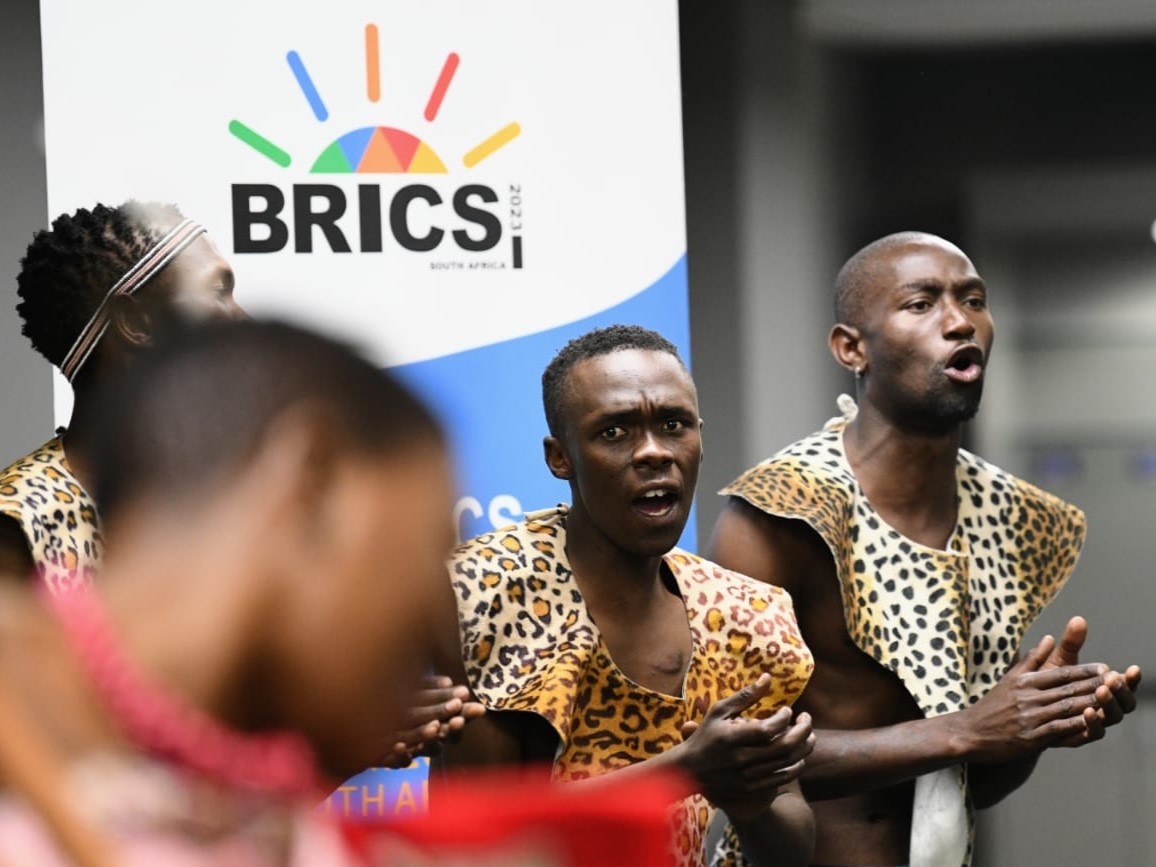
As Global South nations seek to diversify away from Western economic dominance, the BRICS bloc has emerged as a promising alternative.
South Africa hosted the bloc’s 15th summit since its establishment in 2009, marking a significant moment for Africa’s involvement.
Furthermore, Egypt and Ethiopia formally joined BRICS, expanding its influence across the continent.
BRICS made a significant move by criticizing the ongoing bombing in the Gaza Strip, signaling a higher level of political engagement.
This is particularly noteworthy in a global landscape where historically the United States and several European nations have supported Israel.
BRICS’ stance reflects its evolving role and willingness to take a distinct position on crucial global issues.
Ahmad Ali, an executive fellow at the Geneva Centre for Security Policy, highlighted the changing global landscape for Global South nations.
He emphasised that this shift gives these nations options in navigating tensions among major powers and positioning themselves amid growing power rivalries.
Ali stressed the importance for these nations to carefully consider their responses and align their national interests within this intricate global competition.
France Out, Russia maybe?
France’s geopolitical position has notably changed, evident in reduced support from its traditional allies in an increasingly dynamic global setting.
The series of coups in Gabon and Niger, following previous upheavals in Mali, Burkina Faso, and Guinea, underline France’s declining influence in its former colonies.
In Niger, France’s intervention triggered a diplomatic dispute with the Economic Community of West African States (ECOWAS), almost leading to a potential regional conflict.
This situation reflects the complexities of France’s relationships and strategic involvement in the region.
Amid France’s diminishing influence, Russia seems to be establishing ties with West African governments, especially in security matters.
However, the recent passing of Yevgeny Prigozhin, a key figure in Russian diplomacy in Africa, raises questions about Moscow’s ability to expand its presence in areas where French influence has weakened.
This puts a shadow over Russia’s potential rise in these regions.
Open Borders At the same time, there’s a noticeable trend in African countries opening up their borders to each other, signaling a significant change in regional relations.
Throughout the year, several prominent visa agreements were announced, emphasizing diplomatic efforts aimed at fostering trade and boosting revenue.
Mozambique led by abolishing visas for 29 countries, including Ivory Coast, Ghana, and Senegal.
Rwanda made a bold move by eliminating visas for all African nationals, while Kenya followed suit by signing a 90-day visa waiver agreement with South Africa.
Additionally, South Africa expanded its visa waiver network by reaching a similar agreement with Ghana.
This surge in visa liberalisation reflects African nations’ joint efforts to improve regional integration, stimulate economic growth, and promote travel within the continent.
*The writer of this article is Kevin Mofokeng, a developmental writer and digital PR strategist based in Gaborone, Botswana. The views expressed by Kevin Mofokeng are not necessarily those of The Bulrushes