In a world increasingly concerned with sustainability and the looming climate crisis, the importance of renewable energy sources cannot be overstated.
South Africa, like many other nations, faces the pressing need to transition from fossil fuels to cleaner, more sustainable energy alternatives.
To achieve this transition, we must cultivate a new generation of engineers who possess both theoretical knowledge and practical experience in renewable energy technologies, writes Robert Walker, the Event Director of the Ilanga Cup.
With developed nations moving at a more rapid pace in trying to meet the net zero carbon emission obligations, South Africa cannot afford to be left behind – particularly in the automotive sector – which is the second largest contributor of greenhouse gases.
There is, however, a seismic shift unfolding in the sector – with more nations advocating for a transition from internal combustion vehicles (ICV) to electric vehicles (EV).
The European Union and the United Kingdom, who account for over 70% of light vehicles manufactured and exported from South Africa have already imposed a ban on the sale of fossil fuel powered vehicles, effective from 2035.
While the purpose of this bold move is to move closer to the global goal of a more cleaner environment, the implications could potentially be catastrophic for our country’s economy that relies heavily on the export of petrol and diesel cars.
Over 110 000 workers are reportedly employed in the Automotive industry which also supports an estimated 1,5 million indirect jobs.
According to the National Association of Automobile Manufacturers of South Africa, 351 785 cars that were locally built in 2022, were shipped abroad, with most of those vehicles landing in the UK and EU respectively, totaling close to R200 billion in sales revenue.
However, with that ban in place, South Africa’s limping economy could lose billions and potentially thousands of jobs in the sector, if no urgent measures are taken, starting with increasing the capacity of EV skilled and trained engineers.
A massive exodus of skilled engineers coupled with insufficient hands-on training on EVs has further widened the skills gap, putting the country’s race in the development of sustainable mobility on a back foot – in comparison with our counterparts.
Speaking at the opening of the Daimler Truck Southern Africa (a manufacturer of electric trucks) a few months ago, the Deputy Minister of Trade and Industry Nomalungelo Gina admitted that there’s growing global pressure to move more towards clean and sustainable mobility.
“We all feel the pressure to move with speed so that we are not overtaken by other markets still at their foundation phase, like us.
We all agree that the maturity of our South African automotive sector locates it at a vantage point to be part of the leaders in EVs, including component manufacturers.
This is where solar car challenge events such as Ilanga Cup come into play.
As the Event Director of South Africa’s ground-breaking solar car challenge, I have had the privilege of witnessing the remarkable impact of this event on our nation.
The Ilanga Cup is not just a competition; it is a catalyst for change, a platform for innovation, and a driving force behind the development of the renewable energy engineering workforce that South Africa desperately needs.
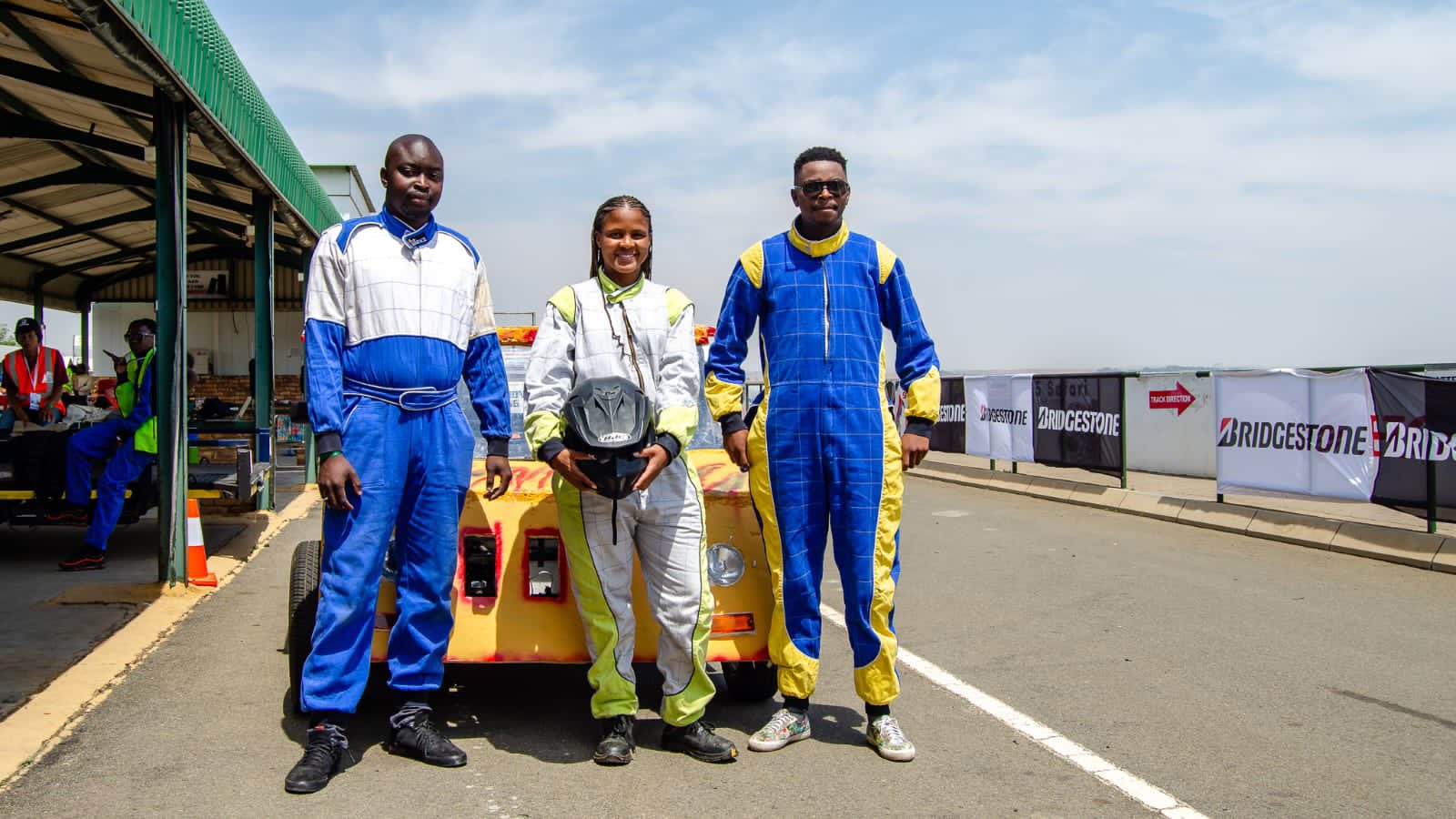
The Ilanga Cup brings together students from across the country to design, build, and compete in experimental solar car vehicles.
It is a thrilling showcase of engineering talent, creativity, and passion.
But beyond the excitement of the race, this event serves as a powerful educational tool and a springboard for the development of skilled engineers who are ready to tackle South Africa’s energy challenges head-on.
For instance, some of the students from the Tshwane University of Technology Solar Team who worked on the Sun Chaser 4 vehicle, which won the 2022 Ilanga Cup and came third in a global challenge, have already been absorbed by some of the major Car manufacturing companies locally and abroad.
“Although we don’t keep close track of where some of our team members end up after graduating, but many have joined the automotive industry, with one of them currently working on the Croatian automotive manufacturer that develops and produces electric sports cars – Rimac.” Said TUT Solar Team leader Johannes de Vries.
De Vries said the experimental car renewable energy car challenges such as the Ilanga Cup, are key in ensuring that students are industry-ready from a theoretical and practical standpoint.
He said such events are not only critical in helping nurture and develop trained engineers but also help push the technological boundaries.
Data collected from these experiments is passed down to the automotive industry, to help modify vehicles and make them more efficient.
The Ideal Avenue for Developing Renewable Energy Engineers Here are some compelling reasons why solar car challenges, like the Ilanga Cup, are the ideal avenue to develop renewable energy engineers in South Africa:
1. Hands-On Experience: Unlike traditional classroom settings, solar car challenges provide students with hands-on experience in designing, building, and testing renewable energy systems. This practical exposure is invaluable, as it bridges the gap between theoretical knowledge and real-world application.
2. Interdisciplinary Learning: Solar car challenges demand a multidisciplinary approach. Participants must integrate knowledge from fields such as mechanical engineering, electrical engineering, materials science, and aerodynamics to create efficient and innovative solar vehicles. This interdisciplinary learning is essential for addressing complex energy problems effectively.
3. Problem-Solving Skills: Participants in solar car challenges face a myriad of technical challenges, from optimising solar panels to improving energy storage systems. These challenges develop problem-solving skills that are essential for engineers working in the renewable energy sector, where innovation is key.
4. Collaboration: Engineering is rarely a solitary pursuit. Solar car challenges promote teamwork and collaboration, as students work together to overcome obstacles and achieve their goals. This mirrors the real-world dynamics of engineering projects, where collaboration is essential for success.
5. Inspiration and Networking: Events like the Ilanga Cup inspire young minds to pursue careers in renewable energy engineering. Moreover, they provide a platform for networking with industry professionals and experts, opening doors to future career opportunities.
6. Sustainable Mindset: Solar car challenges instils a sustainable mindset in participants. They learn not only how to harness renewable energy but also why it is crucial for a sustainable future. This perspective will shape their engineering decisions throughout their careers.
7. Homegrown Talent: By nurturing local engineering talent through events like the Ilanga Cup, South Africa can reduce its reliance on foreign expertise and develop a robust renewable energy sector led by its own skilled workforce. Solving South Africa’s Energy Crisis South Africa’s ongoing energy crisis is a multifaceted challenge that demands innovative solutions.
Engineers who have gained experience and creativity through competitions like the Ilanga Cup are uniquely positioned to contribute to solving this crisis:
1. Renewable Energy Integration: Engineers who have participated in solar car challenges have a deep understanding of renewable energy technologies. They know how to harness solar power efficiently, manage energy storage systems, and optimize energy usage. This knowledge is invaluable when it comes to integrating renewable energy sources, such as solar and wind, into the national energy grid.
2. Energy Storage Solutions: Effective energy storage is a critical component of a resilient energy infrastructure. Engineers from competitions like the Ilanga Cup have hands-on experience with different types of energy storage systems, including advanced batteries and supercapacitors. Their expertise can lead to the development of cost-effective and efficient energy storage solutions that address South Africa’s intermittent energy supply issues.
3. Grid Management and Smart Technologies: Competitions like the Ilanga Cup foster a deep understanding of power electronics and control systems. Engineers who have participated in these events can apply their knowledge to design smart grid solutions that improve the management and distribution of electricity. These technologies can enhance grid resilience, reduce losses, and enable better integration of renewable energy sources.
4. Sustainable Transportation: Solar car challenges emphasise sustainable transportation solutions. Engineers who have designed and built solar vehicles can apply their skills to develop electric vehicles (EVs) and charging infrastructure. Promoting EV adoption can reduce the demand for fossil fuels and contribute to a cleaner transportation sector, which is a significant part of South Africa’s energy consumption.
5. Energy-Efficient Building Design: Engineers from solar car competitions often have a strong foundation in thermodynamics and energy efficiency. They can design energy-efficient buildings and industrial processes, reducing overall energy consumption and lowering the burden on the energy grid.
6. Rural Electrification: South Africa’s energy crisis is not limited to urban areas. Engineers trained through events like the Ilanga Cup can work on innovative solutions for rural electrification, such as off-grid solar systems and microgrids. These technologies can bring electricity to underserved communities and improve their quality of life.
7. Research and Development: The creativity nurtured by solar car challenges can lead to ground-breaking research and development in renewable energy technologies. Engineers can innovate new materials, technologies, and systems that make renewable energy sources more accessible, affordable, and efficient.
8. Policy and Advocacy: Engineers who are passionate about renewable energy can become advocates for sustainable energy policies and practices.
Their practical experience and knowledge can be invaluable in shaping policies that promote clean energy adoption and address regulatory barriers.
Empowering Our Vehicle Manufacturing Industry In addition to addressing South Africa’s energy crisis, engineers who have gained expertise through events like the Ilanga Cup play a pivotal role in advancing our vehicle manufacturing industry.
With major vehicle manufacturers investing heavily in new production lines focused on New Energy Vehicles (NEVs), it is imperative that South Africa has a pool of suitably qualified and experienced engineers to capitalize on this opportunity.
These engineers can:
1. Drive NEV Innovation: Engineers trained in renewable energy technologies and electric vehicle design can lead the development of cutting-edge NEVs. Their expertise can contribute to the creation of energy-efficient and environmentally friendly vehicles that align with global trends and consumer demand.
2. Optimize Production Processes: Skilled engineers can enhance the efficiency of NEV production lines, reducing costs and increasing output. This optimization is critical for the long-term viability of the industry.
3. Expand Charging Infrastructure: Engineers can design and implement robust charging infrastructure networks to support the growing fleet of NEVs in South Africa. This infrastructure is vital to ensure the widespread adoption of electric vehicles.
4. Quality Assurance and Testing: Engineers can play a crucial role in quality control and testing of NEVs, ensuring that these vehicles meet international standards for safety and performance.
In conclusion, engineers with experience gained from competitions like the Ilanga Cup have a unique blend of theoretical knowledge and practical skills.
They are well-equipped to drive innovation, solve South Africa’s energy crisis, and empower our vehicle manufacturing industry to capitalise on the global shift toward New Energy Vehicles.
The Ilanga Cup not only produces skilled engineers but also potential saviors of our energy future and key contributors to the growth of our vital vehicle manufacturing sector.
*The writer of this article is Robert Walker, the Event Director of the Ilanga Cup. The views expressed by Robert Walker are not necessarily those of The Bulrushes