Johannesburg – Banyana Banyana football legend and Clinix ambassador, Portia Modise took part in an anti-drug abuse info-sharing activation blitz held at Maponya Mall in Soweto, south of Johannesburg.
The activation on Wednesday, (26 June 2024), was in commemoration of the annual World Drug Day, also known as International Day Against Drug Use and Illicit Trafficking and Youth Month.
In addition, this year, the South African National Council of Alcoholism and Drug Dependence (SANCA) is commemorating Drug Awareness Week from 24 – 30 June 2024.
The activation forms part of the Clinix Health Group’s newly launched awareness campaign about Substance Use Disorders and Addiction, which seeks to educate and inform young people who are most at risk of using drugs and also offer help to those struggling with addiction.
Former footballer Modise was unveiled as one of the three ambassadors of the campaign, alongside former Kaizer Chiefs and current TS Galaxy Star Player, Bernard Parker and Long Jump Olympic Silver Medallist, Luvo Manyonga.
Since she retired, the Banyana Banyana icon has devoted her time and channelled her energy to community youth development initiatives, especially for women’s football and education.
Though she was fortunate not to use any illicit drugs and substances during and post her illustrious career, Modise acknowledges that she was in a vulnerable and volatile environment that could’ve easily made her slip through the cracks.
“This campaign is very close to my heart, because not only is it educating the public about the negative effects of using drugs and substances, but it also touches on the issues of mental health,” said Modise.
“I believe that if I wasn’t strong-willed throughout my career, I could’ve easily been broken by the cruel and harsh realities of our football.
“Many athletes start using illegal substances for various reasons and some are not even aware of how it will impact them in the long run.
“Mental health is one of those reasons because sometimes some of the athletes take these substances to make them feel relaxed and calm.”
Modise added: “I am committed to being an example to my community by adding my voice and using my life journey to encourage young people to seek help if they’ve already started using substances and are struggling with addiction.
“Clinix is an institution that cares about communities, and they offer much-needed resources to those who are vulnerable at two of their wellness centres located around Soweto, the Dr. SK Matseke Memorial Hospital and Tshepo Themba Hospital.
“We decided to come to Maponya Mall to not only share our personal stories, but to also share and give out information about these resources for anyone who is struggling with substance use disorders and addiction, and more importantly, to tell people that it’s never too late to ask for help,” added Modise.
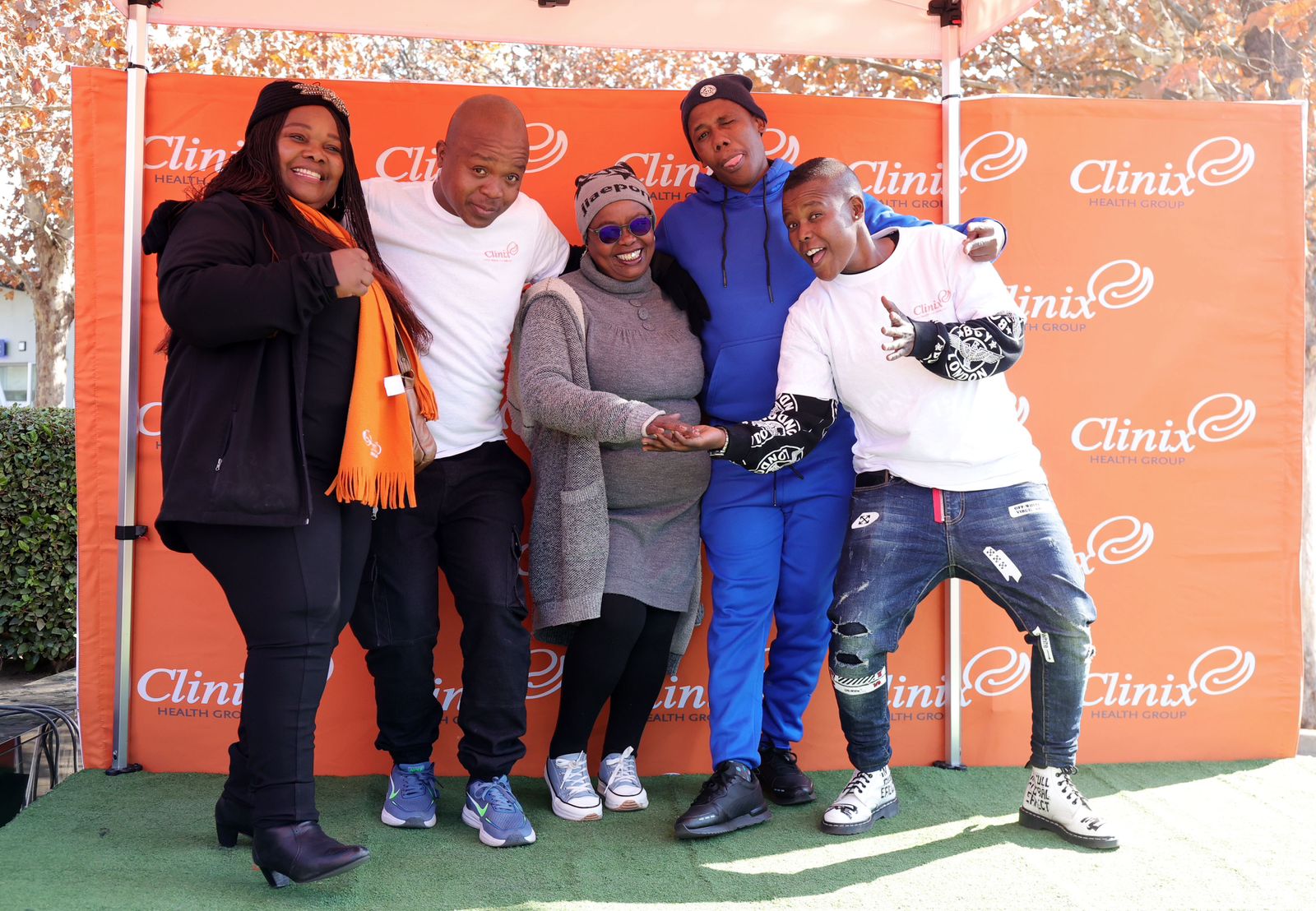
Also in attendance was a group of graduates from the Clinix Solomon ‘Stix’ Morewa Wellness Programme, who shared their stories of addiction and recovery.
Thuthuka Mavie is from Vryheid in KwaZulu-Natal. His first encounter with illicit drugs was back in 2009.
“At first, it was all peer pressure. I joined a crowd that smoked ‘CAT’ and it was all downhill from there,” said Mavie.
“I was brought up by my grandmother, who adequately provided and cared for me after my mother passed away when I was 11 years old.
“Unfortunately, like many other young people, I never knew my father.
“Using drugs with my peers gave me a sense of belonging because I was still hurting from my mother’s passing and not knowing my father.
“Before being admitted at Clinix, I had already had a stint at two rehabilitation facilities and one church mission.
“I had to take a stern decision to change my life after hitting rock bottom or just face a grim reality for the rest of my life.”
Another graduate, Lebogang Seboko, from Pimville in Soweto, said he was raised by his grandmother.
Though his mother was still alive, she was not always there because she had to work and provide for him and his younger sibling.
“My grandmother was my pillar and she taught my brother and I about values and principles of life, as well as humility, respect, and empathy,” said Seboko.
“She also taught and showered us with unconditional love. In 2005, I started smoking weed with my friends at primary school.
“We then progressed to another substance called mandrax and quickly escalated to using heroin.
“This was all because of my longing for validation from older peers who we deemed to be cool people who were feared and respected. I desperately wanted to be part of that circle.
“Before my admission at the Clinix Wellness Centre in 2023, I have been to three other rehabilitation centres because of my disease.
“My life had become so unbearable and unmanageable that it still shocks me that I made it out of 2023 alive.
“I was filled with guilt and shame because of my actions and all the pain I had inflicted to my family and community.
“I’m grateful that after all these attempts, I finally got assistance at Clinix which has paved my road to recovery.
“I want to use my personal story to educate my struggling peers, especially the younger ones who are of school-going age.”
The Clinix Health Group said it will continue with the awareness for the next three months, hosting various community engagement activations across Gauteng.
The next blitz will take place in Mamelodi, Pretoria in early July and TS Galaxy star player, Bernard Parker will lead the community engagement.

Clinix Campaign ambassador: Portia Modise 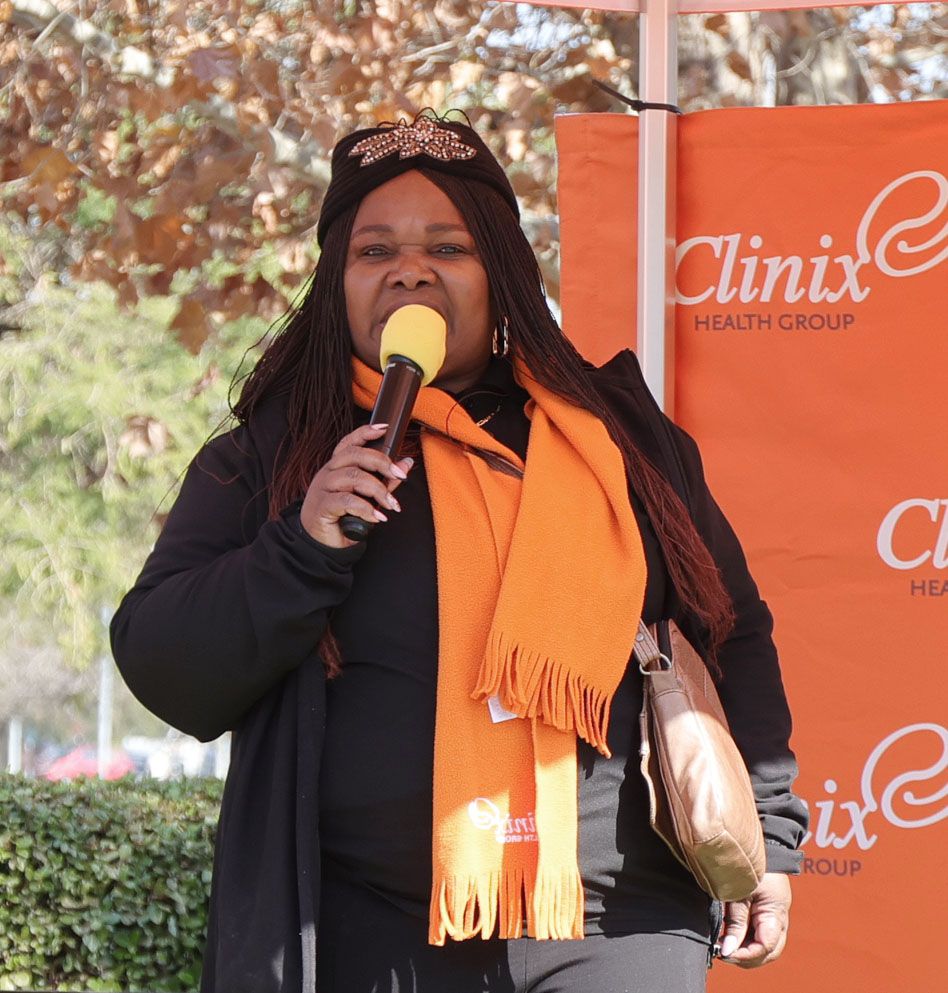
Clinix Health Group Brand Sponsorship & Events Manager, Thokozile Masondo 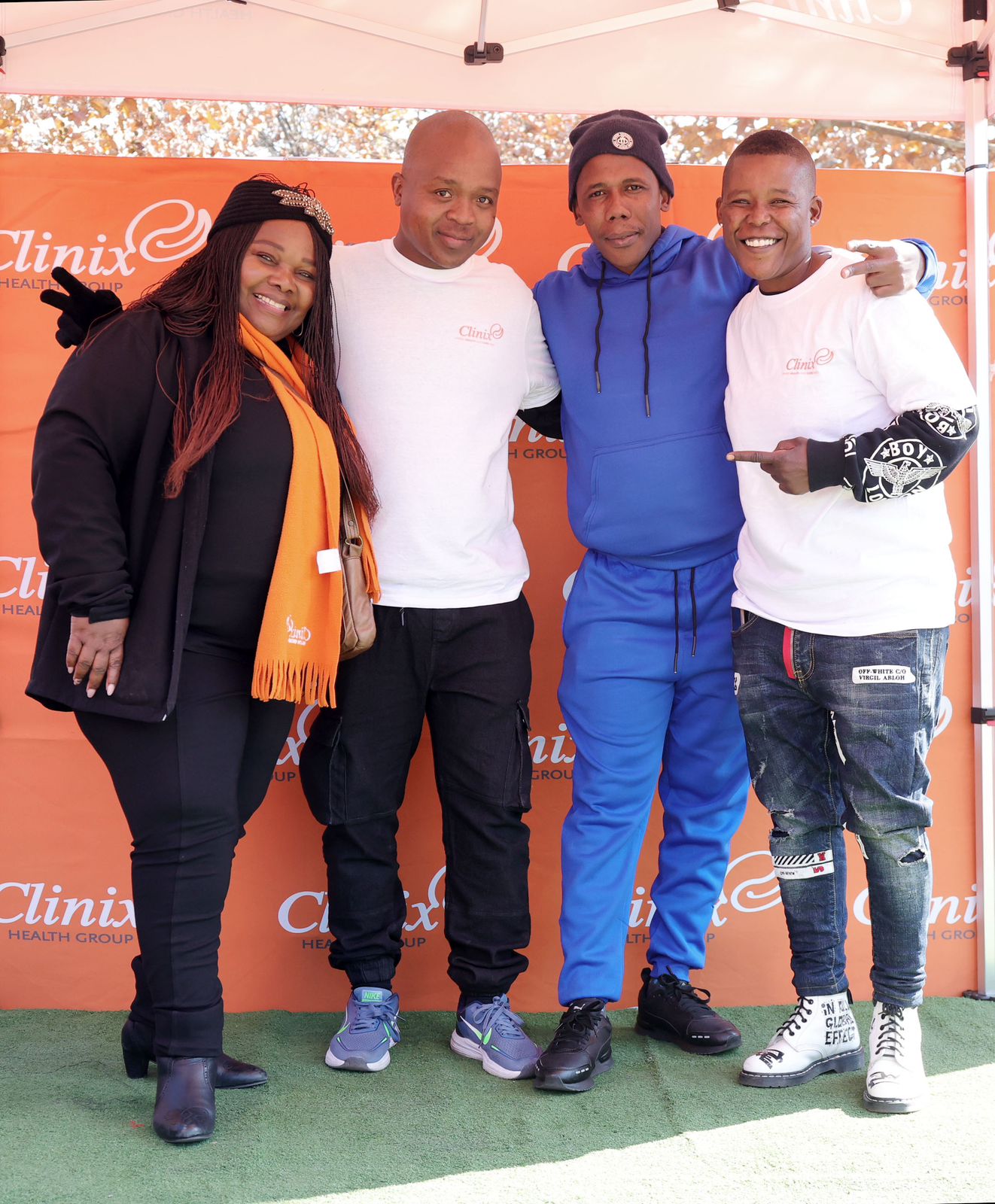
Clinix Health Group Brand Sponsorship & Events Manager, Thokozile Masondo, Graduates of the Clinix Solomon ‘Stix’ Morewa Wellness Programme, community member of Soweto and Campaign ambassador, Portia Modise
The drug problem in South Africa has been on a continual rise, especially in the last few years.
Methaqualone (Quaaludes), cocaine, marijuana (known as dagga in South Africa), and heroin are all drugs that are becoming increasingly popular.
Dr. David Bayever from the government drug control organisation, known as the CDA, is quoted as saying: “The drug problem in South Africa remains very serious with drug usage being twice the world norm in most cases…and we are only dealing with what we know about…this is only the tip of the iceberg”.
Bayever says that at least 15% of South Africans have a drug problem.
This number, however, is expected to rise.
While some drugs are produced directly in South Africa, it is also a major transshipment hub for importing and exporting them.