
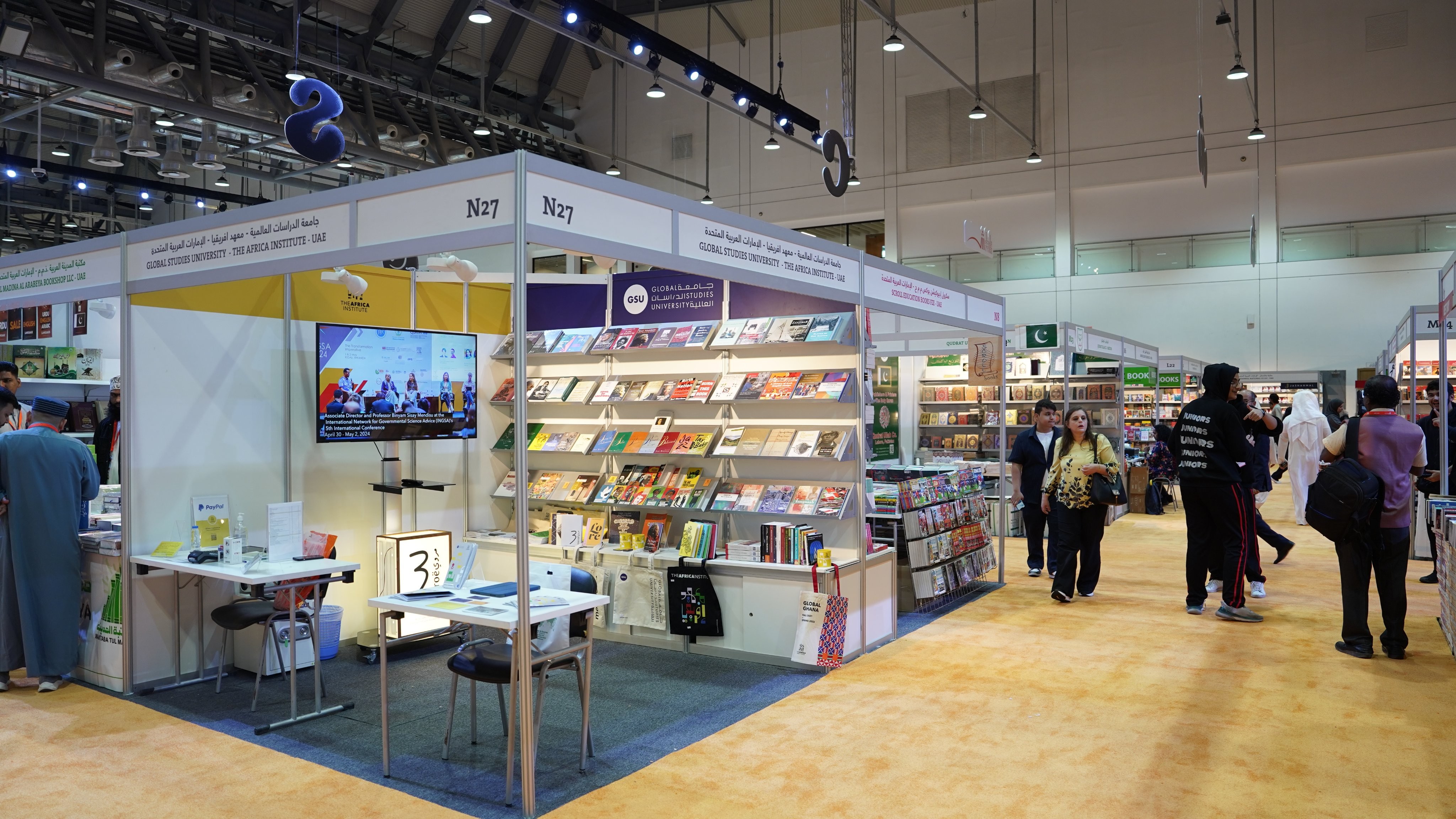
Sharjah – As the curtain soon falls on the 43rd Sharjah International Book Fair (SIBF), the jewel city of the United Arab Emirates continues solidifying its status as a leading centre for knowledge creation and cultural exchange in the region.
This year, the fair has become a focal point for educators and scholars, notably from Africa, eager to engage in profound discussions on critical issues affecting the continent.
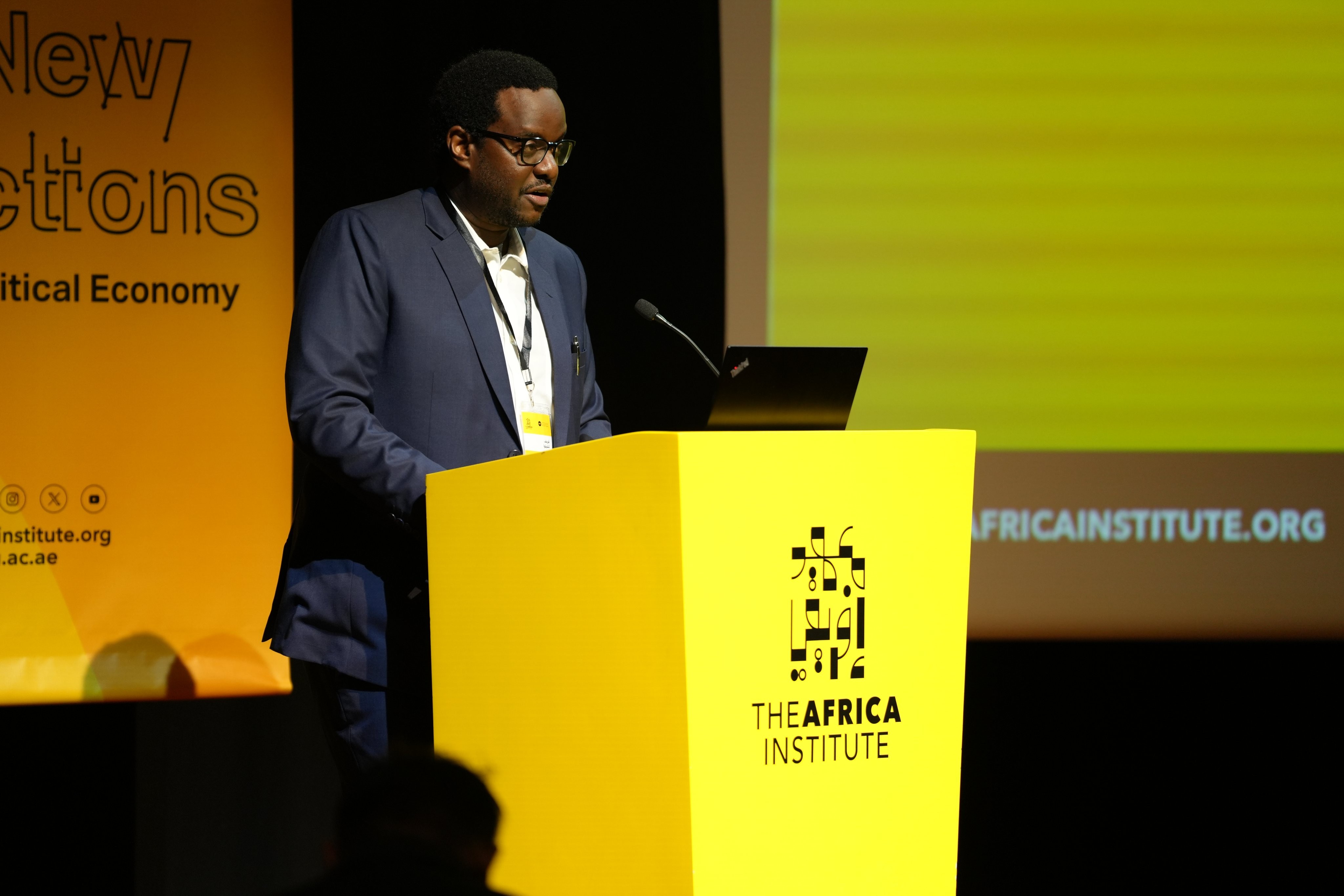
At the Africa Institute within the Global Studies University (GSU) in Sharjah, the conference titled “New Directions in African Political Economy” served as a melting pot for over 25 scholars from various corners of the globe, with a significant representation from South Africa.
This three-day event paid homage to the late Professor Thandika Mkandawire, examining his considerable contributions to African scholarship in political economy.
Renowned for his insights, Prof. Mkandawire’s ideas still resonate today.
In her presentation, Fiona Tregenna, Professor of Economics at the University of Johannesburg, emphasised the interconnectedness of social and industrial policies in driving Africa’s development.
“For Tandika, social policy and industrial policy are not two different things,” she pointed out, advocating for a transformative approach where these policies work hand-in-hand to bolster socio-economic progress.
Tregenna was on Friday, (15 November 2023), appointed to South Africa’s President Cyril Ramaphosa’s 19-member Presidential Economic Advisory Council, which will play an important role in guiding the 7th Administration in its pursuit of rapid, inclusive, and sustainable economic growth and job creation.
While the conference showcased a variety of themes surrounding Mkandawire’s intellectual legacy, such as the role of democracy, industrialisation, and social policy in Africa, it also highlighted a growing need to reconsider African studies within the Arab world context.
The Chancellor of GSU and Dean of The Africa Institute, Prof. Salah Hassan, stressed the importance of developing scholarship that not only embraced African perspectives but also reclaimed a critical narrative for the next generation of thinkers.
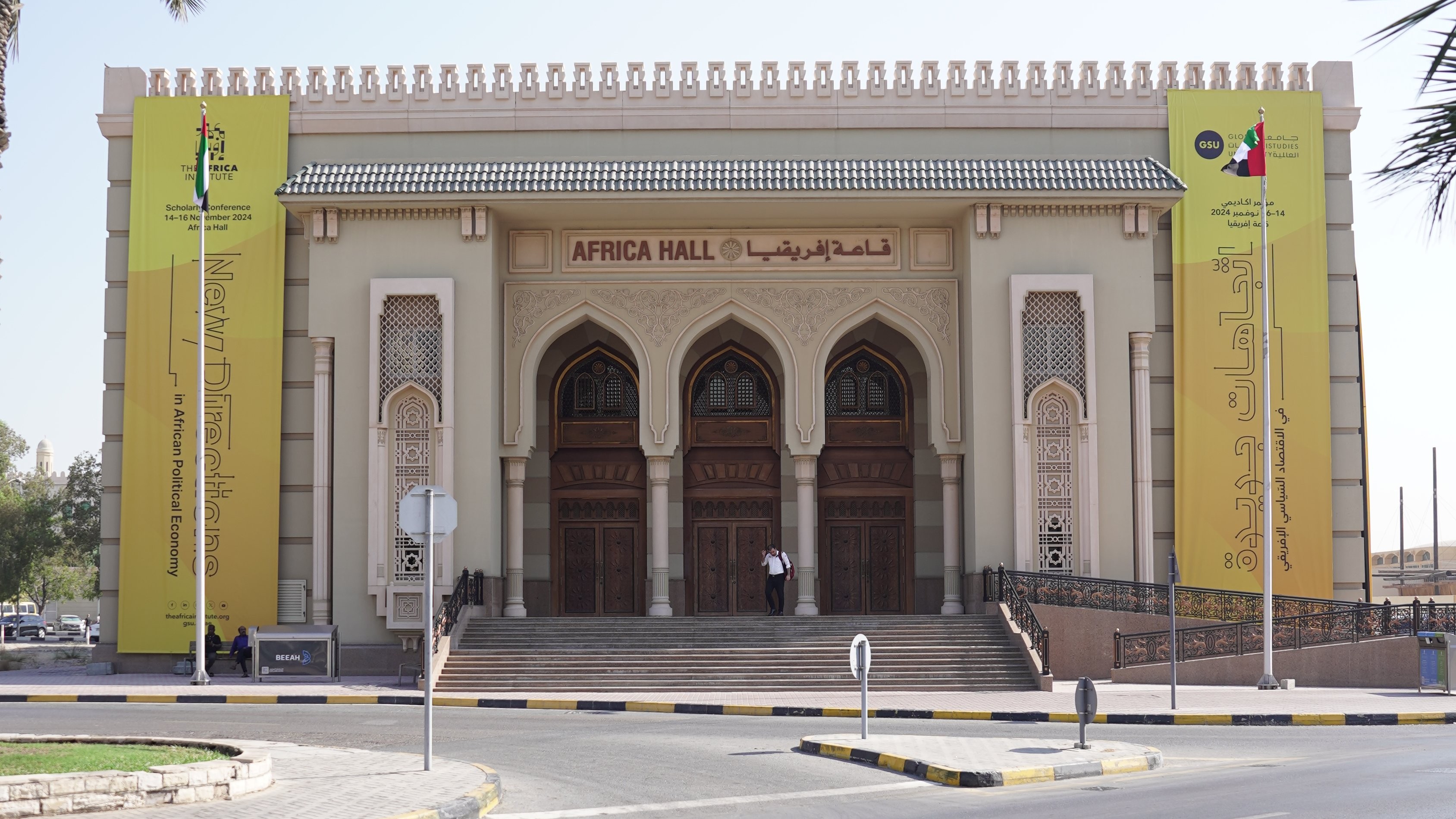
The Africa Institute at GSU, under the patronage of His Highness Dr. Sultan bin Muhammad Al-Qasimi, has ambitious plans for its inaugural Master’s (MA) program in Global African Studies, set to launch in January.
This program aims to shape the minds of 30 graduate students, nurturing critical thought and promoting an understanding of African and diasporic studies, marking the first initiative of its kind in the UAE and the Gulf region.
The MA program will offer three specialisations: Museum and Critical Heritage Studies, Africa’s International Relations and Diplomacy Studies, and Afro-Arab Relations, each aimed at delving deeper into the rich, intertwined histories of Africa and the Arab world.
Professor Grieve Chelwa, the chair of Social Sciences at the Africa Institute, noted how this program sought to cultivate expertise in these emerging fields, vital for today’s geopolitical landscape.
“Within those specialisations, we have Political Economy, Political Science, African Social Thought, and so on and so forth,” Chelwa said.
Throughout the 10-day festivities of the Sharjah International Book Fair, visitors were not merely spectators but active participants in a cultural dialogue that spanned a myriad of disciplines, including literature, theatre, and digital literacy initiatives.
His Excellency Ahmed bin Rakkad Al Ameri, CEO of the Sharjah Book Authority, highlighted the fair as a conduit for innovative projects like the Technology Terms Dictionary, reinforcing Sharjah’s commitment to advancing Arabic content and digital literacy.
As the SIBF concludes, it leaves behind a legacy of intellectual engagement and cultural celebration, having successfully woven together diverse narratives from across Africa and the Arab world into a vibrant tapestry of understanding and collaboration.