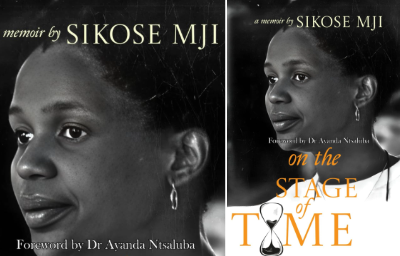
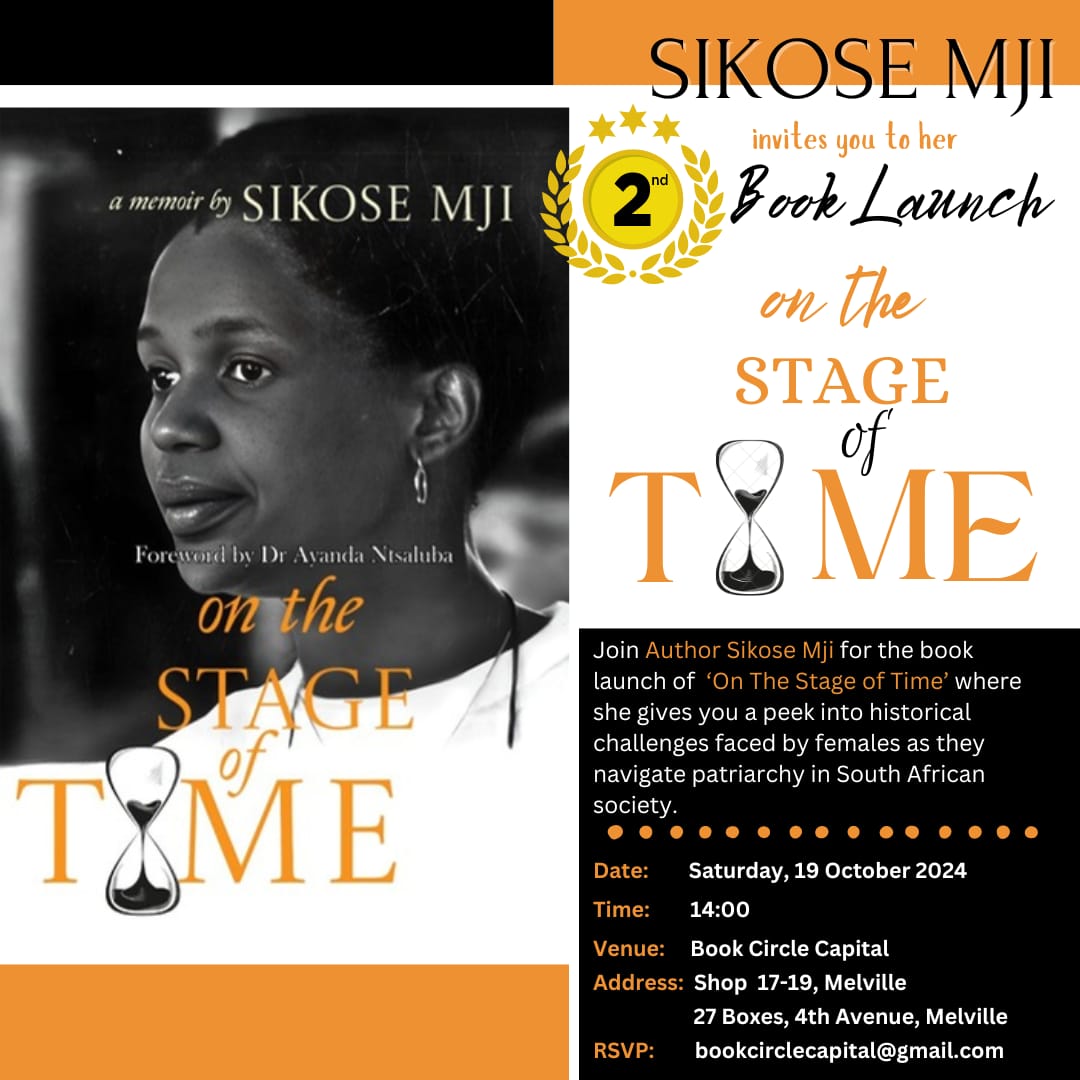
“On the Stage of Time” is a memoir by Ambassador Sikose Mji, a former diplomat and senior civil servant in the foreign office (Department of International Relations and Cooperation).
It is a timeous release in light of the imminent 50th anniversary of the 1976 uprisings.
While the Afrikaans language was the trigger, the uprising was rooted in the socioeconomic conditions prevailing among the racially oppressed and exploited blacks who were subjected to numerous apartheid laws that controlled every aspect of life: the (notorious) Pass Laws, the Group Areas Act, the Population Registration Act, the Prohibition of Mixed Marriages Act, the Separate Amenities Act, the Bantu Education Act, the Extension of University Education Act, the Riotous Assemblies Act, etc.
As Mji professes, no black life, including children, was spared the humiliation and suffering.
This aspect of ordinary life before the uprising of 1976 is crucial in understanding why things developed the way they did, and why this generation was forced to flee in all directions, including scattering in foreign lands.
Mji narrates her remarkable experiences from when she was born to when she was a young girl and an adolescent who gets drawn into politics very early before she is aware of the dangers this entails.
As she explains being born black in South Africa one was already (unconsciously) in politics because your whole life, from birth to schooling, the township you stayed in, your parents’ circumstances including employment were dominated and subjected to apartheid laws.
The strength of this book is how Mji right at the beginning of her memoirs, delves into the details of her upbringing as a girl-child – squeezed between boy siblings, with educated parents (medical doctors) engulfed in the vicissitudes of life in a moderate middle-class black family in the townships of Soweto and Durban whose origins are the rural areas of the
Transkei.
Very few people ever talk about the challenges they faced as children, especially a girlchild.
The family disruptions were perhaps a preparation for life later in exile.
The foreword acknowledges that “Sikose reminds us that we might falter at times, but should keep our heads high.
“When our country needed us, many sacrificed their youth and in her case, also the relative comfort of a middle-class family. The cause was larger.
“Those who responded to the call were human, sometimes naïve, sometimes angry but they chose the right side of history.
“Many carry deep scars but are not bitter.
“They are an embodiment of fortitude. Sikose stands amongst them.”
Another forte in her memoir is her experiences of wrestling boy machismo at school and becoming a feminist early in her life.
The battles against testosterone-charged youths prepared her for the confrontation with patriarchy in exile within the ANC and among the
African brothers whose countries supported the liberation struggle.
Back at home, she has continued to fight this monstrous phenomenon that refuses to die.
Mji shared the same class with Tsietsi Mashinini at Morris Isaacson and worked underground for the ANC with Tokyo Sexwale and Naledi Tsiki before escaping into exile.
She had just turned 21 in 1976 when she addressed the UN about the killings of children by the Boers.
Thereafter she pursued her wish (not until OR Tambo authorized it) to train as a guerrilla and returned to represent South Africa in several countries as a diplomat.
‘On the Stage of Time’ is a must-read.
Get the book from the Book Circle Capital, in Melville, Johannesburg
Or directly from Ambassador Sikose Mji
PS: The family circumstances under which Mji grew up and her filial loyalty to her parents reminded me of those reflected in Poli Poli (2021), an extraordinary and beautifully crafted memoir full of childhood thrills by Ambassador Barbara Masekela.
Masekela had professional parents and her family went through its ups and downs which required the extended family to come in and play an astonishing role.
Her grandmother raised her in KwaGuqa (Witbank) and she attended boarding schools in South Africa, left for Lesotho later, and then for exile in 1963.
Likewise, Mji lived with relatives away from her parents and went to boarding schools in South Africa and Lesotho before she was forced into exile.
*Dr. Khulu Mbatha is a Senior Research Fellow at Africa Asia Dialogues (Afrasid), an author, exhibitor, and a former diplomat.