Johannesburg – The Gauteng Department of Health has moved to digitise millions of pages of patient records across state facilities.
In a significant step towards transforming Gauteng’s public healthcare system, Gauteng Health and Wellness MEC Nomantu Nkomo Ralehoko announced on Tuesday, 22 July 2025, that the province was on a mission to digitise 800 million pages of patient records.
The MEC’s announcement coincided with the completion of the first phase of the province’s patient file digitisation programme.
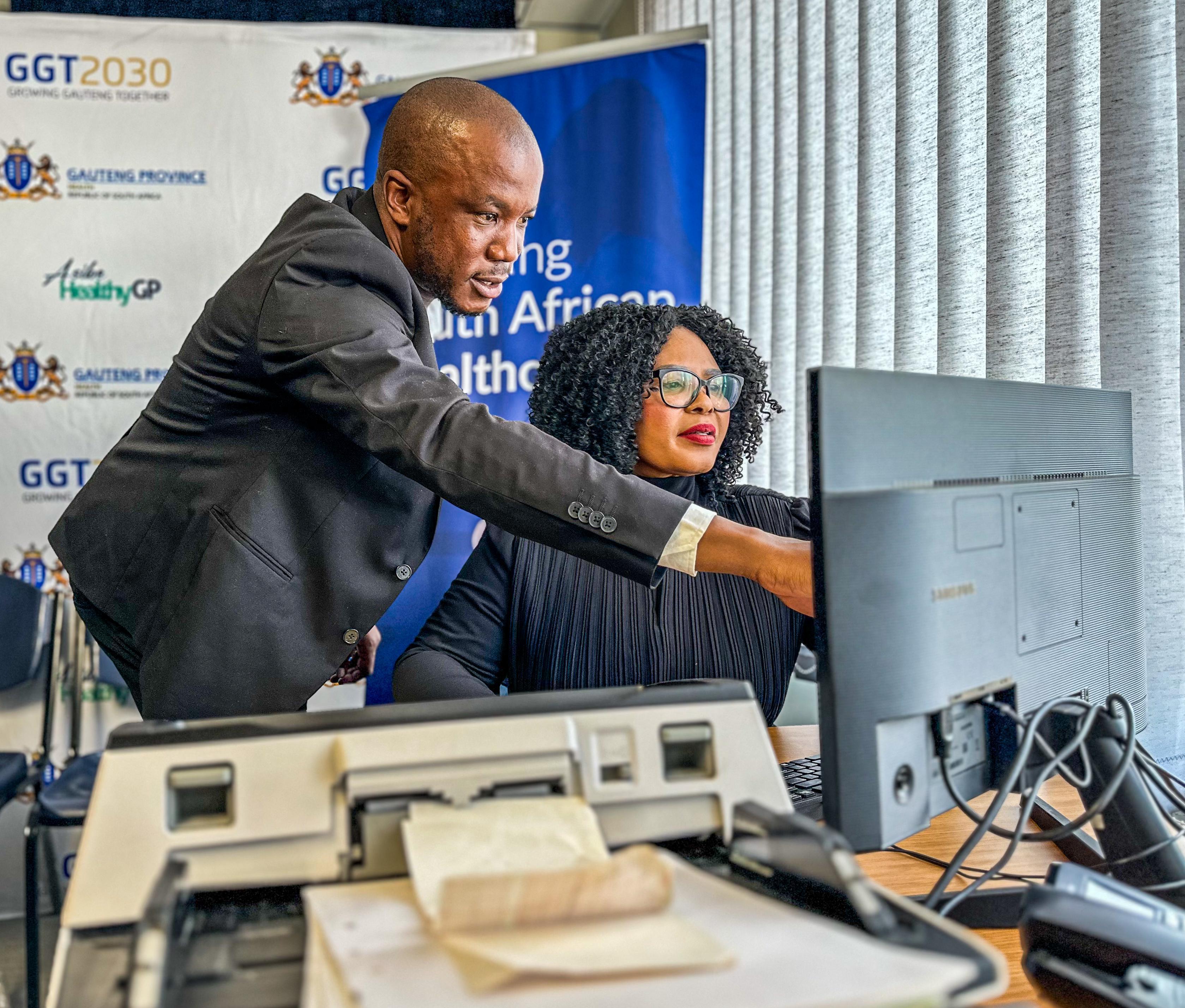
The GDoH and the Mint Group celebrated the digitisation of 800 000 records at Chris Hani Baragwanath Academic Hospital, Africa’s largest hospital.
The milestone forms part of a bold “digital transformation drive” to improve efficiency, patient care, and system accountability across 37 public hospitals in the province.
Four specialised teams were already working at Thelle Mogoerane, Tembisa Tertiary, Steve Biko Academic, and Sebokeng hospitals.

“This project is not a standalone act of modernisation; it forms part of our broader Digital Health Transformation Strategy, which aligns with global health imperatives,” said MEC Nkomo Ralehoko.
“We are restoring dignity to our patients by ensuring their medical history is instantly accessible, securely stored, and never lost again.”
The MEC said the department was also integrating these records into the broader Health Information System (HIS) and expanding supporting technologies such as Queue Management Systems and Radiology Image Archiving (PACS).
These innovations further enhance patient flow, reduce overcrowding and improve the overall service turnaround times.
“The digitised files representing more than 42 million pages are now stored in a secure cloud environment, accessible to authorised healthcare professionals,” the GDoH revealed.
“This ensures faster treatment, eliminates lost files and will help the Department defend itself better in medico-legal cases.”
Responding to media questions on cyber security threats in this digital era, the department’s Chief Information Officer, Anele Apleni stated that “our top priority is ensuring the security and integrity of patient data”.
Apleni added: “We have implemented robust cybersecurity measures, including encryption and access controls to safeguard sensitive information and protect against unauthorised access.”
The project implemented in partnership with Mint Group has also employed 100 young people from local communities, offering skills training and job opportunities.
The next phase involves rolling out the project to the remaining hospitals over the next 36 months, with a target of digitising 800 million pages from patient files across Gauteng.
Speaking on the collaborative efforts, Carel du Toit, CEO of Mint Group, highlighted that “the digitalised information opens new possibilities for data mining using artificial intelligence, which enables the department to analyse health trends, predict patient outcomes and ultimately improve healthcare delivery across the province.”
The MEC also linked the initiative to Gauteng’s 13 problems, as presented by Premier Panyaza Lesufi during this year’s State of the Province address, particularly Problem 10, which highlights the urgency to transform hospitals and clinics to offer better, reliable, and respectful service for patients.