
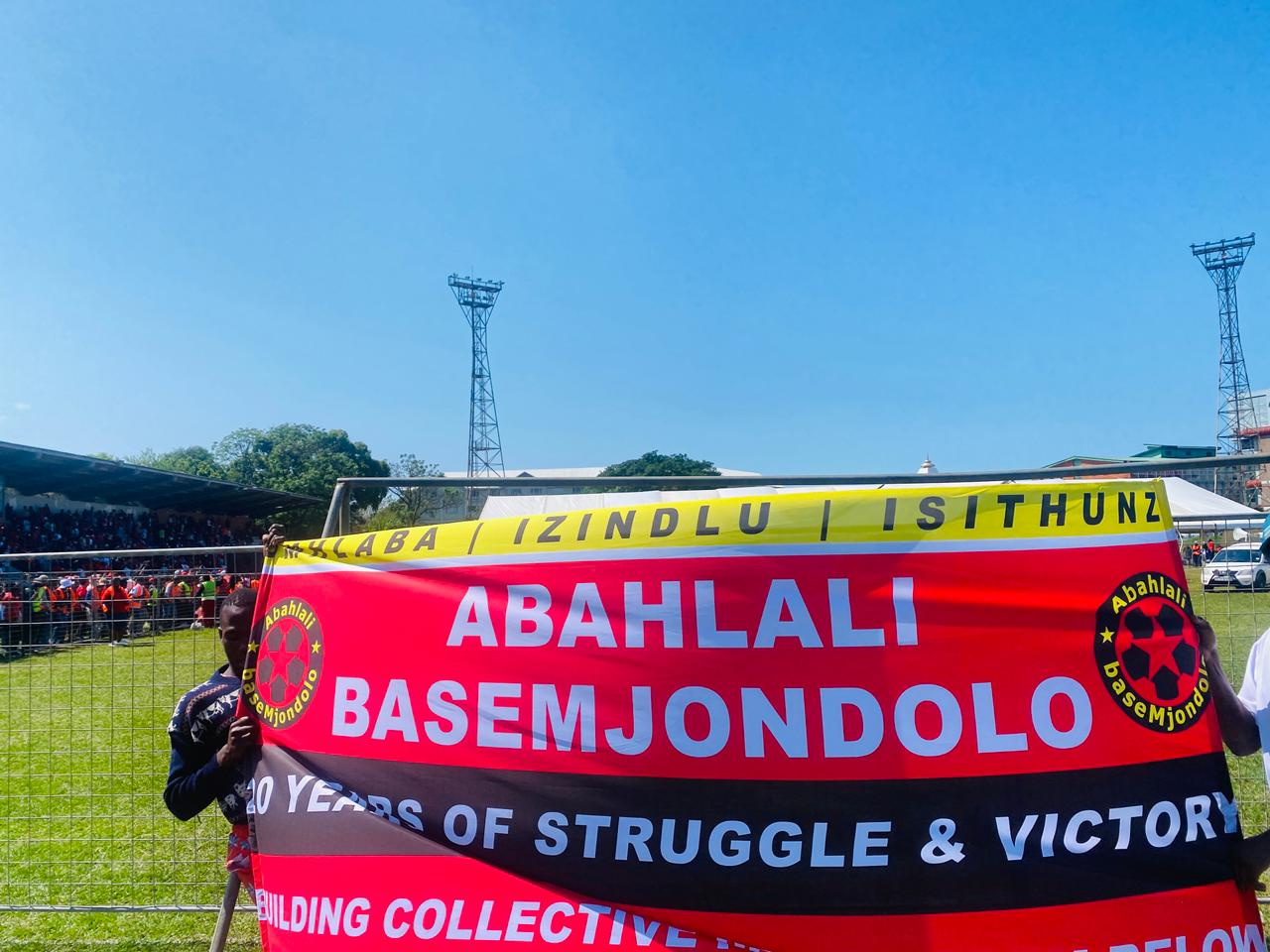
Durban – The lack of affordable housing, which culminates in informal settlements mushrooming around towns and cities, has been epitomised by the Abahlali baseMjondolo movement marking 20 years of existence.
The housing backlog in South Africa, estimated at 2,4 million units, remains a critical issue, with significant implications for low-income households and the overall housing market.
The national housing backlog reflects the ongoing struggle to meet the housing needs of low-income families, particularly those earning below R3 500 per month, who qualify for government-subsidised housing under the Reconstruction and Development Programme (RDP).
Addressing this backlog requires concerted efforts from both the government and private sectors to improve efficiency and expand housing supply.
Describing itself as “Residents of the Shacks,” Abahlali baseMjondolo has, over the years, gained prominence as one of the organisations at the forefront of pressuring the government to end the plight of the urban poor by providing affordable housing.
With a following of about 150 000, Abahlali baseMjondolo congregated at the weekend to commemorate two decades of existence.
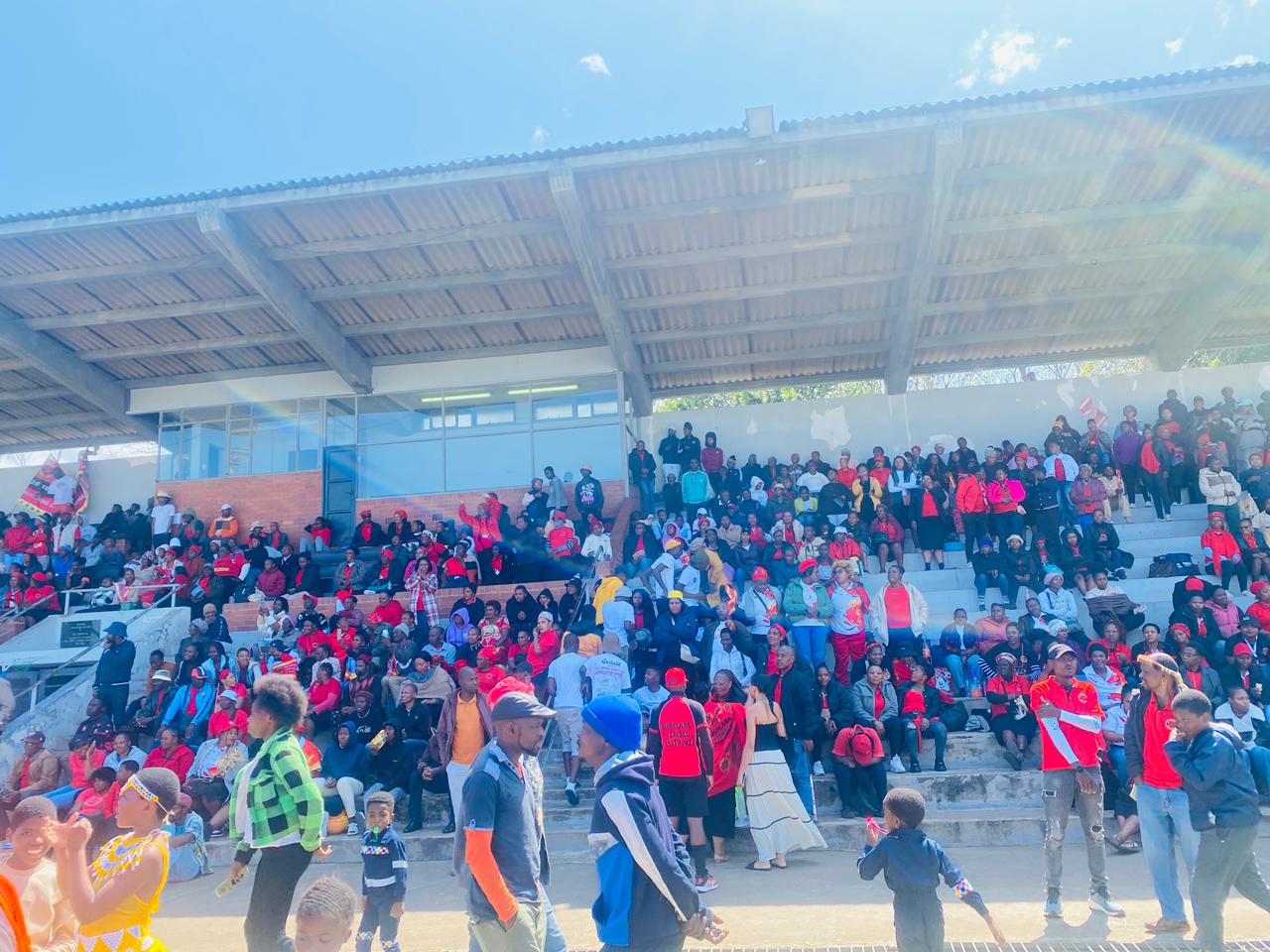
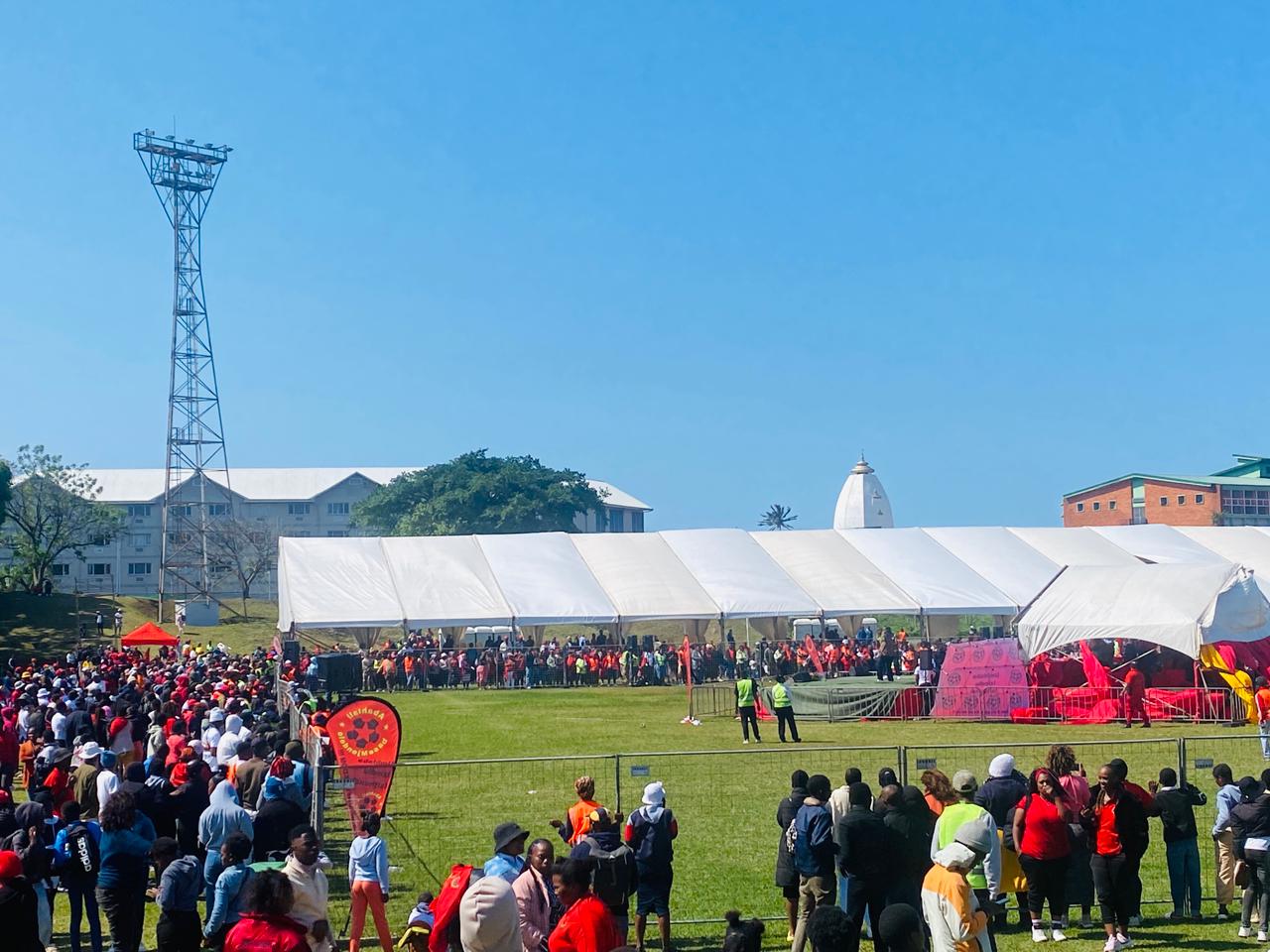
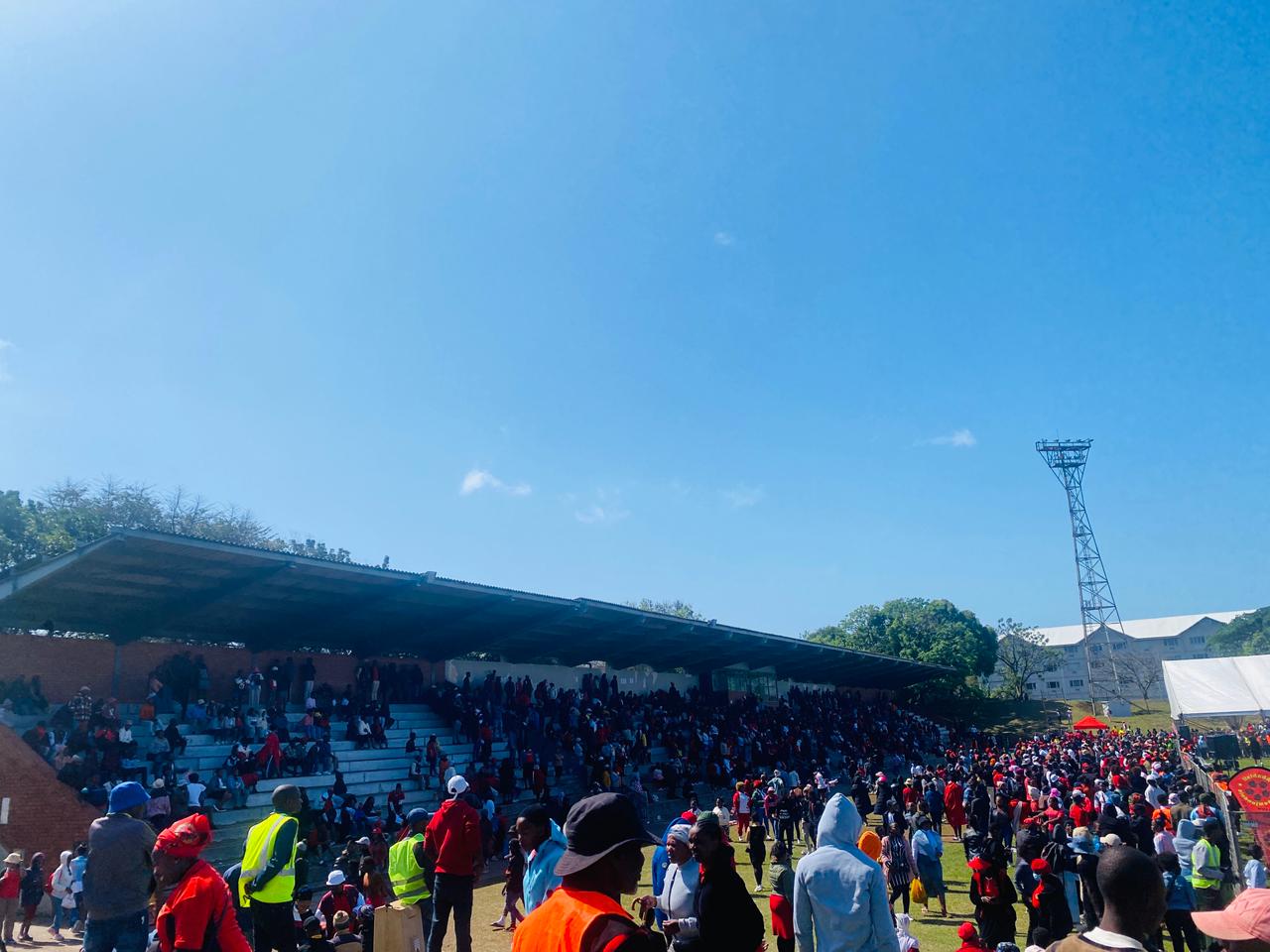
The gathering on Saturday, 4 October 2025, at the Curies Fountain Sport Ground in eThekwini, KwaZulu-Natal, reflected on their journey so far under the theme “Izindlu, Isithunzi, uMhlaba”, completed with the question, “Sifike kanjani lah?”
Thousands of residents of informal settlements attended the event, where they also remembered past leaders of Abahlali baseMjondolo who were assassinated in the struggle for the right to housing.
Ayanda Ngila, Nokuthula Mabaso, and Lindokuhle Mnguni are some of the activists murdered since the establishment of the Abahlali baseMjondolo movement in 2005.
At the event on Saturday, some members wore T-shirts from the 2006 Unfreedom Day Masikhulume campaign to reflect on the organisation’s earlier struggles and achievements.
Many members also shared how Abahlali baseMjondolo welcomed them into the movement with open arms and how the movement has positively impacted their lives.
Organisations Manzese Working Class Women Cooperative, and the National Union of the Homeless took to social media to congratulate Abahlali baseMjondolo on its 20-year milestone celebration.
Abahlali baseMjondolo General Secretary, Thapelo Mohale, highlighted the significance of being part of the shack dwellers’ movement and explained the meaning behind this year’s theme.
He said the theme speaks to the movement’s core values, fighting for land, dignity, and decent housing for people living in shacks.
Mohale added that Abahlali baseMjondolo has played a vital role in preventing unjust evictions, allowing people to have places they can truly call home.
“We have also helped people reclaim land to make it fully theirs,” he said.
Explaining the meaning behind the question “Sifike kanjani?” Mohale said it reflects on the long struggle that has enabled thousands of people to now have homes because of AbM’s efforts.
Mohale said the organisation was formed on 3 October 2005 by 32 representatives from 12 settlements who met to form what it is now.
Two decades later, the movement has evolved from what it was to give a voice to those who were once neglected.
“We have managed to raise the voices of people living in shacks, voices that were once ignored,” Mohale said.
A member of Abahlali baseMjondolo, who requested anonymity, told The Bulrushes that the movement has lost 25 activists over the years.
She lamented how she was deeply affected by the death of Abahlali baseMjondolo leader, Lindokuhle Mnguni, at eKhenana.
“Some of our members were shot by the police, but despite that, I am proud that our movement has been able to challenge different pieces of legislation that were against Abahlali baseMjondolo.”
One of the achievements for poor people who live in informal settlements was the defeat of the Slums Act of 2007, which was reminiscent of apartheid policies and seen by many as an attack on the poor.
It was judged unconstitutional by the Constitutional Court of South Africa on 14 October 2009.