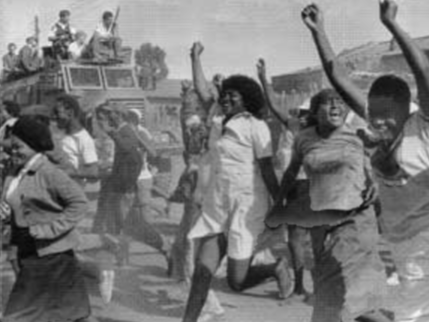
Amagwijo, or freedom songs, were the heartbeat of our liberation struggle for the return of our dispossessed land.
More than songs, they were weapons of morale, memory, and mobilisation. In the trenches and bush camps of Tanzania, Uganda, Zimbabwe, and other faraway lands, igwijo restored the spirit when hunger, exile, and death threatened to break it.
They reminded us of our identity when everything around us said we were nothing, the sound of a people reminding themselves who they were while the world tried to forget them.
To the Pan Africanist Congress of Azania in particular, “Mabawuyek’ umhlaba wethu!” was not just a song or slogan; it was a claim to history and our land.
To the revolutionaries, amagwijo were drill and doctrine in one breath.
You cannot sing igwijo and be out of step.
The rhythm demands unity of purpose, forcing the body into discipline and the mind into focus.
One voice out of time breaks the line, so the song itself trained cohesion, accountability, and collective will.
They were battle cries before contact, comfort after loss, and compass when politics got murky.
Born in exile yet rooted here at home, amagwijo carried memory across borders while serving as political education.
They encoded ideology, named the enemy and the coward, mocked opponents, mourned the fallen, and directed the living by spelling out the task.
Amagwijo remain relevant in post-1994 South Africa because the land question to date is still unresolved.
Our inalienable heritage as indigenous Africans, the land, remains in the hands of those who dispossessed our forebears.
When liberation organisations start aligning with descendants of the dispossessors, igwijo becomes a test of consistency.
Can you still sqfing, “Thina sizwe se Afrika, sikhalela izwe lethu elathathwa ngabamhlophe”, with conviction if your policies keep the nation waiting at the gate?
Amagwijo expose contradiction: you cannot chant, “Ayakhala ama Azania, akhalel’ izwe lawo elathathwa ngabamhlophe” while managing dispossession.
Unlike slogans that can be commercialized or diluted, amagwijo can’t be co-opted because they belong to the people singing them.
They aren’t controlled by boardroom decisions or political deals, but live among the dispossessed and resurface whenever the struggle intensifies.
They carry names, dates, betrayals, and victories that textbooks edit out. Revolutionary songs are merciless with sellouts.
When an organisation negotiates away the land question, or normalises relations with beneficiaries of dispossession without restitution, igwijo will not follow it.
The song returns to the masses and waits for leadership that deserves it. Amagwijo remain relevant today because the material conditions that created them still exist.
As long as the land has not been returned, spiritual defeat persists, and organisations prioritise proximity to power over principle, igwijo will continue to function as both a weapon of struggle and a judge of political consistency.
The real question is then thus not whether amagwijo are relevant.
The real question is whether those who sing them are.
Igwijo does not lie.
If you raise it while cutting deals that entrench landlessness, the song will expose you, the rhythm will reveal that your step is out of time with the people.
But if you raise it to mobilise for restitution, for self-reclamation, for the return of what was stolen, then the song becomes more than sound. It becomes alignment.
The ancestors will answer in the chorus, and the land itself will remember its children.
IZWE LETHU
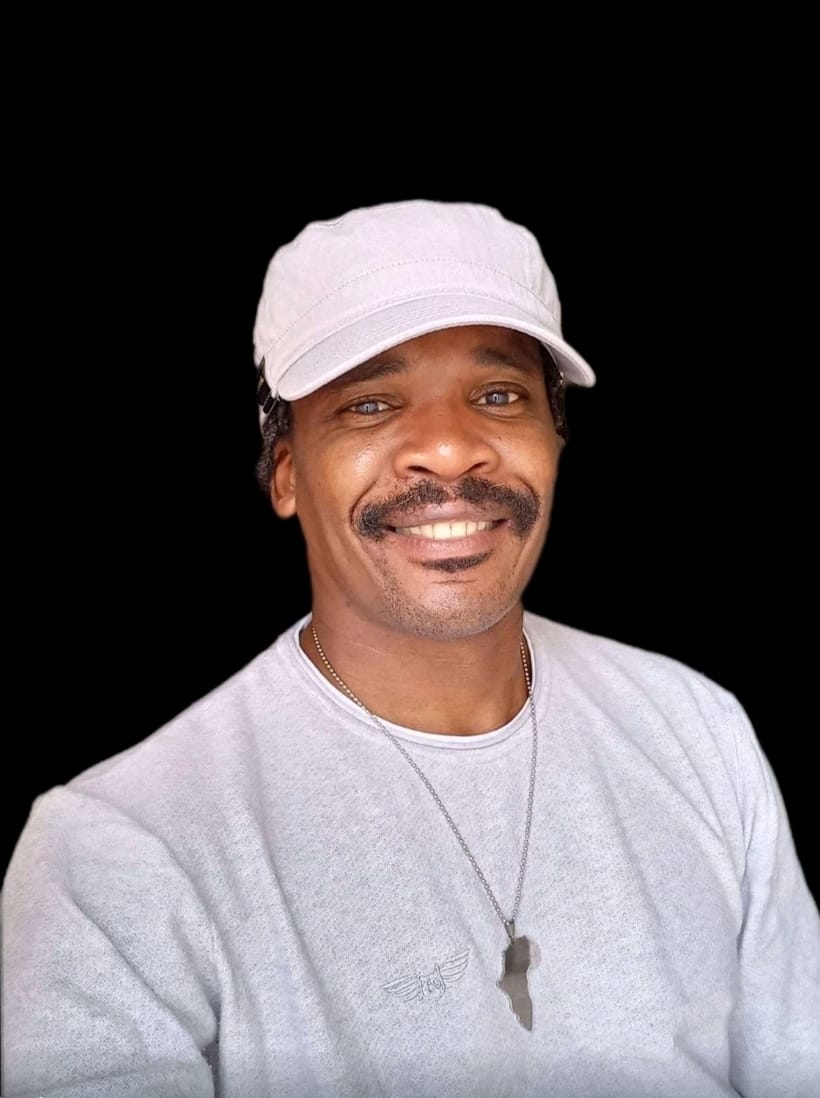
*Xola ‘eXTee’ Tyamzashe is an APLA veteran. and a prominent figure in South African history and politics, known for his contributions to the Pan-Africanist movement. The views expressed by Xola ‘eXTee’ Tyamzashe are not necessarily those of The Bulrushes