When the Kariba Dam wall was built across the Zambezi River to generate hydroelectric power for Zimbabwe and Zambia, its engineers likely never imagined it would one day offer one of the most compelling arguments in favour of international hunting.
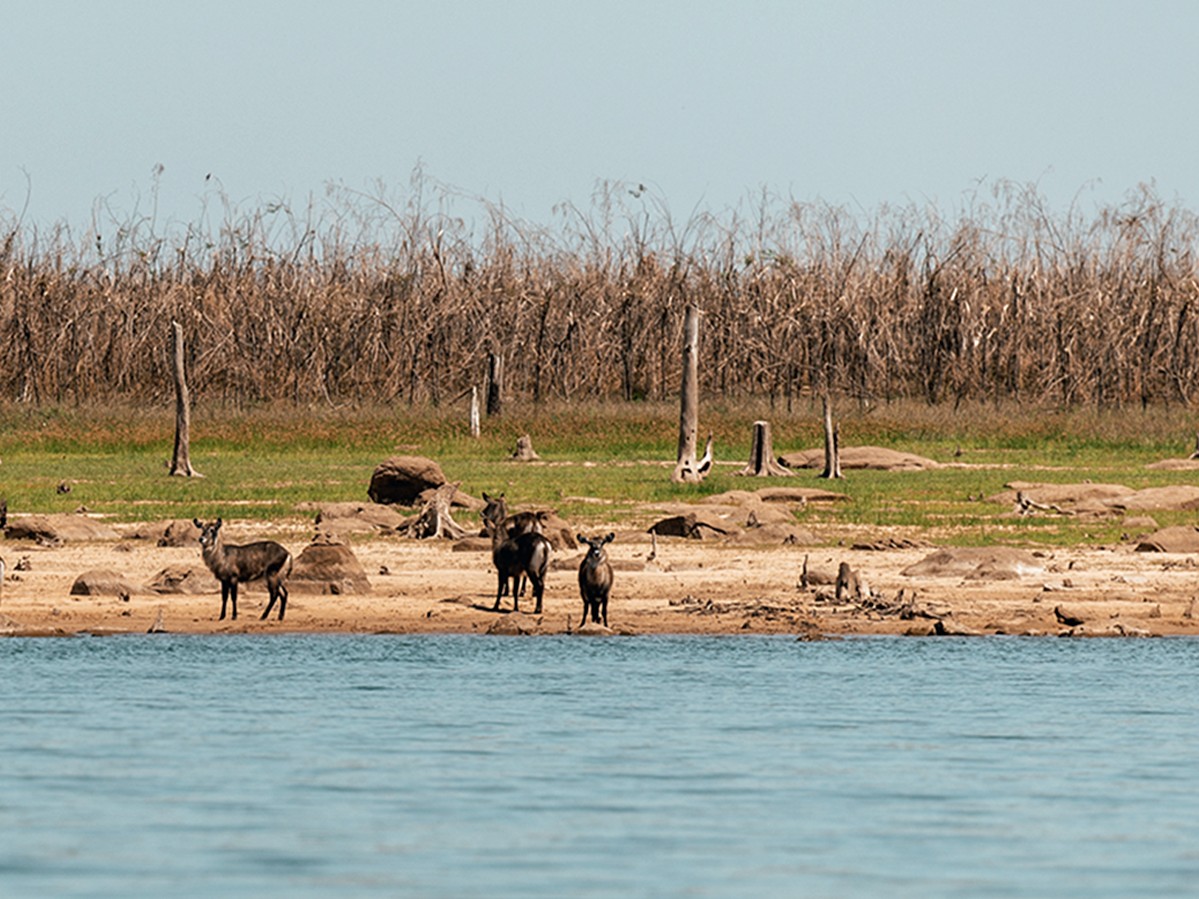
The dam wall created Lake Kariba — the world’s largest man-made lake — surrounded by rich wildlife.
Yet, it’s the Lake’s three remaining islands that offer a striking, real-world case study on how wildlife responds to different forms of land use, especially in the context of international hunting.
This argument is at the heart of a must-watch video documentary, The Last Wild Islands, produced by South African-born, U.S.-based Dr. Robert Kroger. It will be available on the YouTube platform from 6 June 2025 onwards.
The film compares wildlife populations across three islands in Lake Kariba, each managed differently, and the results speak volumes.
The first island is home to human settlements, livestock, and agriculture.
Here, wildlife has vanished.
“No wild animals stay here,” the island seems to declare.
“Predators like lions are killed on sight to protect people and livestock. Elephants, hippos, even impalas— don’t dare come here.”
The presence of humans and farming activities has effectively driven wildlife out.
The second island, which includes Chete and Sekula Islands, is under the protection of Zambia’s Wildlife Authority.
There are no human settlements, and no hunting is allowed.
At first glance, this might seem like a wildlife haven.
But the reality is grim.
Game ranger Hastings Mambonwa explains, “Poachers sneak onto the island. We constantly find snares and the decomposing bodies of animals that die slow and painful deaths after being trapped.”
Despite the 24/7 government protection, poaching remains rampant because of an insufficient number of rangers, and wildlife continues to suffer.
Then comes the third island, Chikanka.
It’s privately owned and run as a game ranch, where international hunting is allowed and carefully regulated.
The revenue from international hunting is used to support the employment of enough rangers and anti-poaching resources to protect wildlife from poachers.
This island stuns the video viewers with its abundance of wildlife, far surpassing both the human-inhabited and government-protected islands.
The island’s owner, J.J. Jordaan, reveals the secret behind this unexpected success: sustainable international hunting.
Like many conservation hunting areas in Southern Africa, Chikanka Island only allows about 0.5% of its wildlife population to be hunted annually.
The revenue from these controlled hunts is reinvested into conservation efforts — paying for game scouts, anti-poaching patrols, and infrastructure.
As a result, poaching is virtually non-existent.
Not only is wildlife thriving, but the ecosystem is balanced, and surplus animals are often translocated to other areas in need of repopulation.
The wildlife populations have cast their vote.
The numbers are undeniable: Chikanka Island hosts the largest, healthiest population among the three.
It is here, where animals are safe, valued, and managed sustainably — even through regulated hunting — they flourish.
The decision: wildlife chooses the Chikanka Island living conditions.
For anyone skeptical, the evidence is visual and available.
Go there to see for yourself.
Alternatively, watch The Last Wild Islands on YouTube, starting 6 June 2025, and see for yourself how international hunting can become a powerful tool for conservation.
*The writer of this article is Emmanuel Koro, a Johannesburg-based independent international award-winning environmental journalist who writes extensively on environmental and developmental issues in Africa.
*The views expressed by Emmanuel Koro are not necessarily those of The Bulrushes