Thokoza – In a township where old age is often associated with fragility and isolation, elderly women in Thokoza, Ekurhuleni, are rewriting the script.
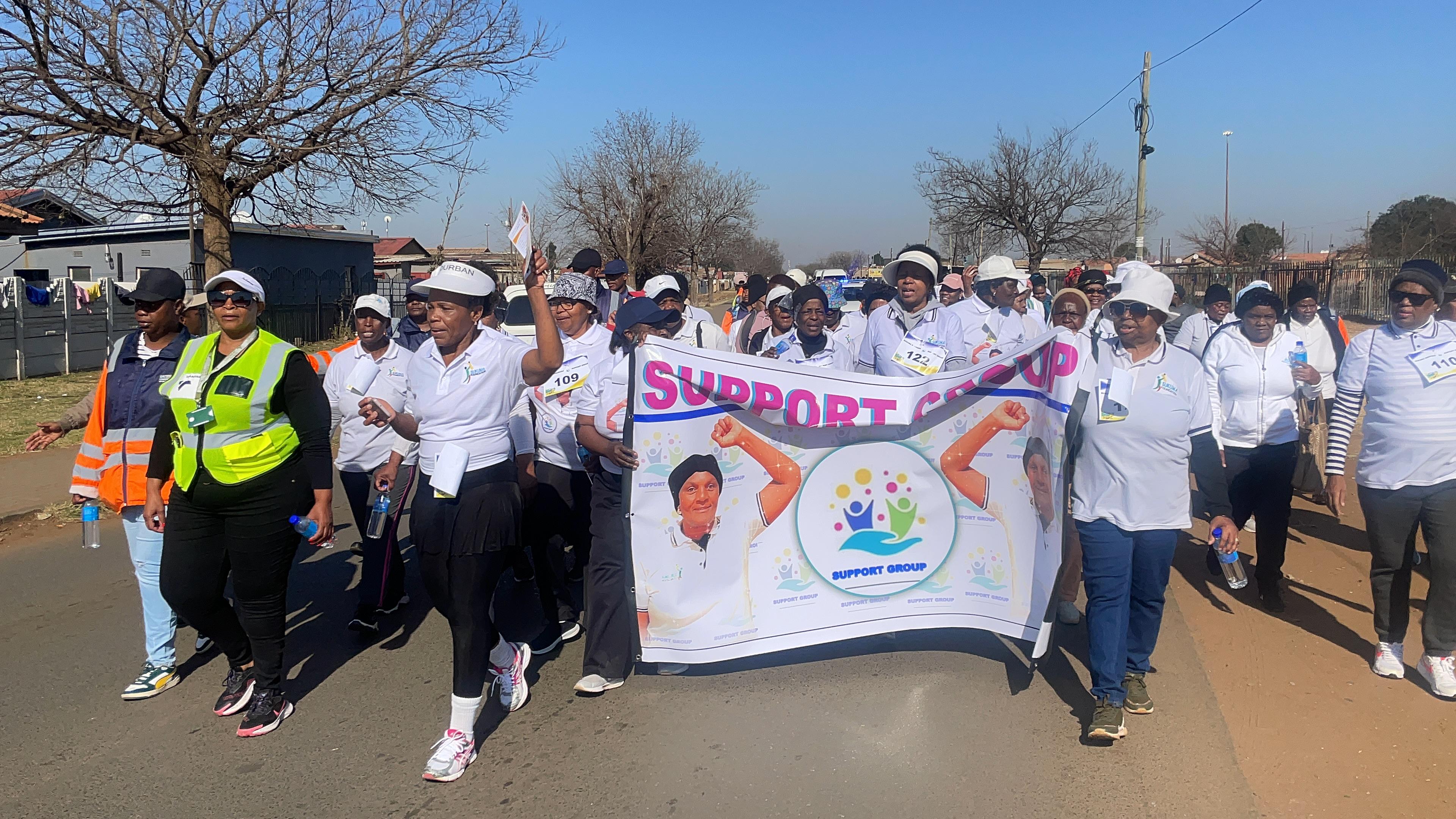
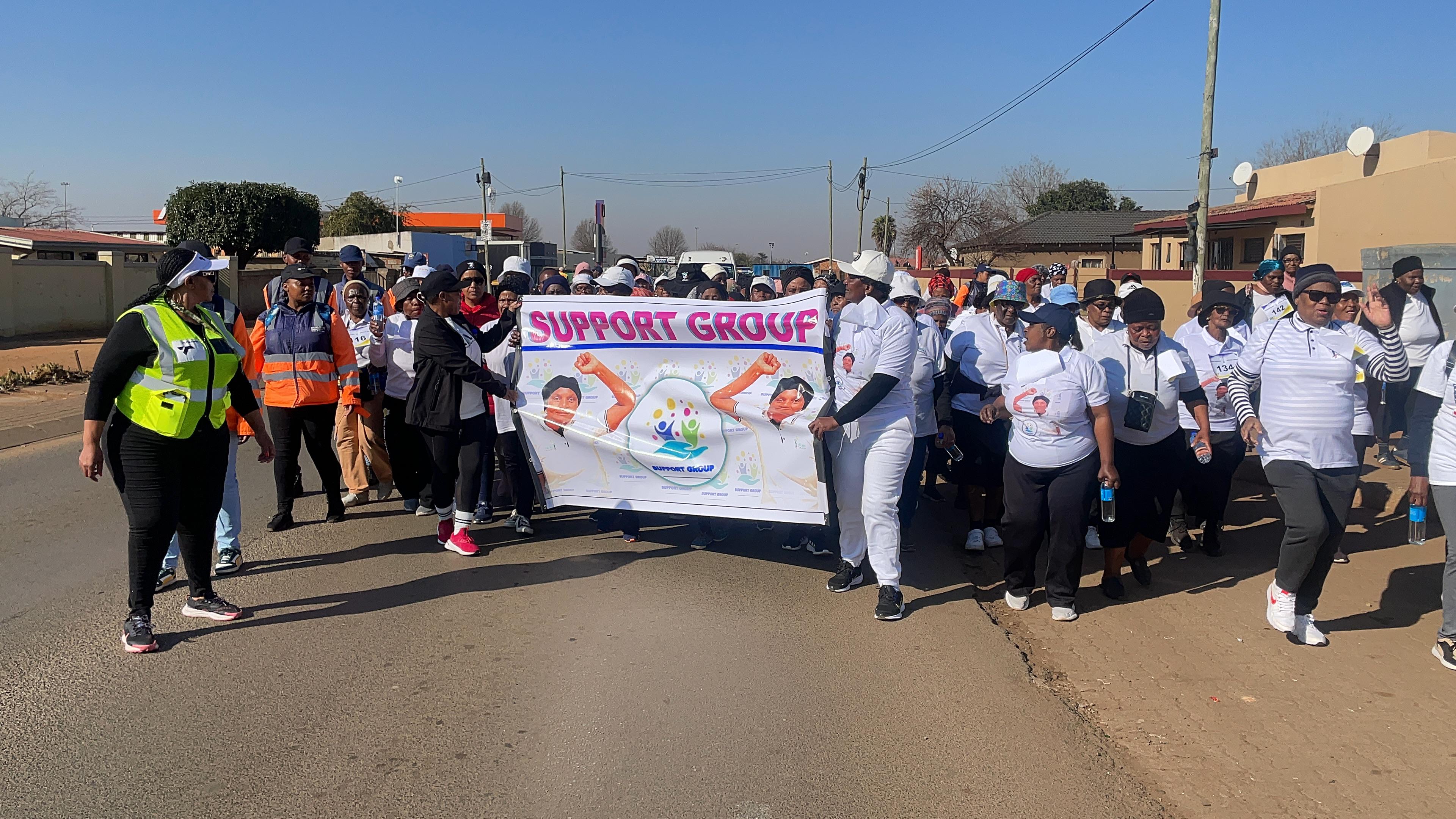
On a cold winter morning, nearly 100 grandmothers traded blankets and heaters for sneakers and casual clothes.
These township gogos refuse to be sidelined and have stepped up to make their mark during this Women’s Month.
For the gogos, this month is about celebrating the strength and vitality of women, as well as reflecting on their contributions.
Putting their best foot forward, the gogos enthusiastically participated in a 4km Fun Walk, themed “Ageing Gracefully for the Elderly”, and it became more than just a community event.
Hosted by the City of Ekurhuleni’s MMC for Community Services, Councillor Bridget Thusi, in collaboration with the Sukuma Mbokodo Support Group, the fun walk doubled as a statement: “Growing older doesn’t mean slowing down”.
By 08:00, the women had gathered at Kathorus Welfare in Yende Street.
Some of the women could be seen stretching, and others could be heard laughing.
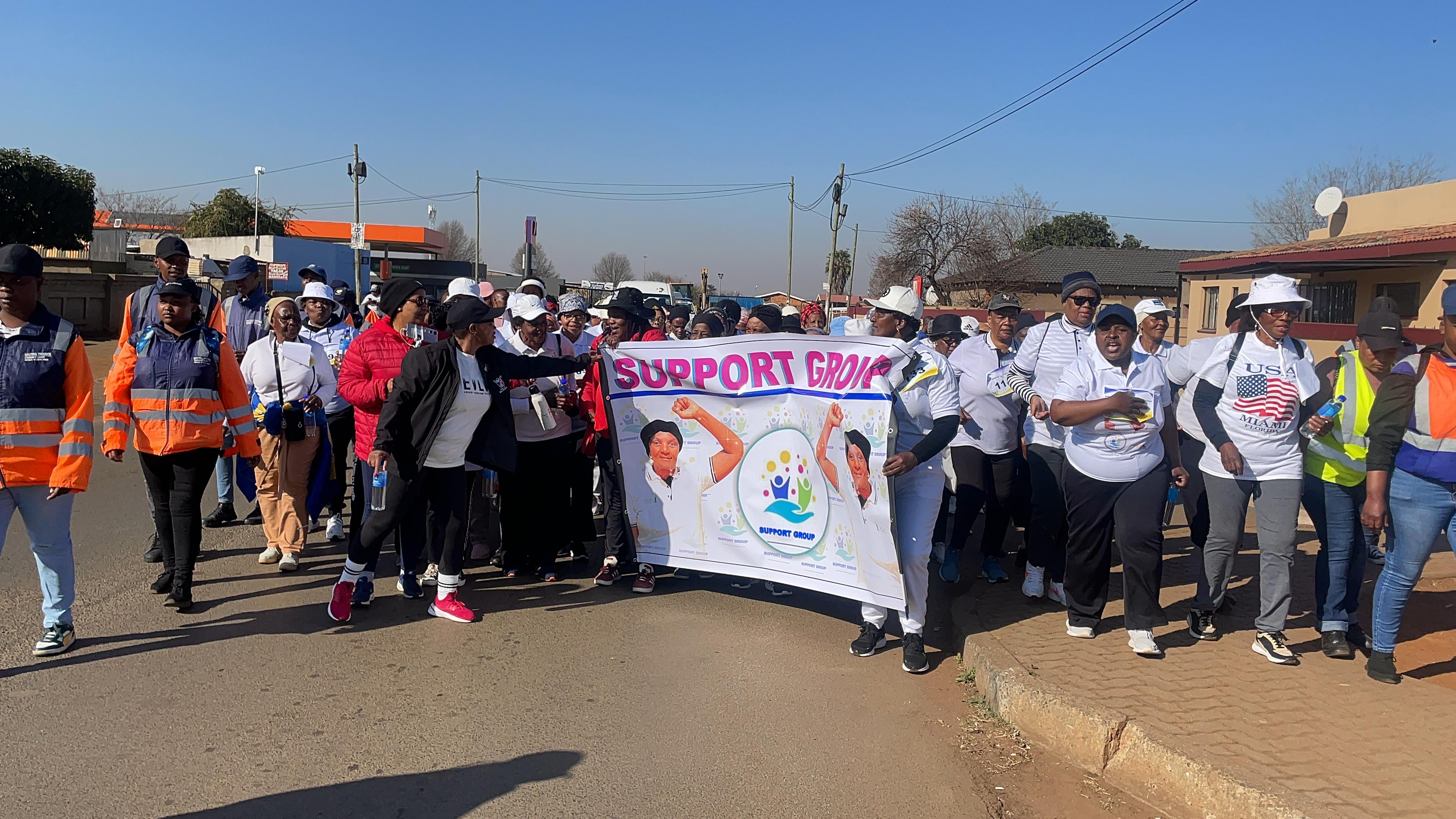
Their route was to take them through Nkakhi and Mokoena streets before looping back to the start.
Far from being a gentle stroll, the walk had pace enough for a bystander to proclaim the sprightly elderly women could be mistaken for a group of high school athletes.
The Ekurhuleni Metro Police Department led the way, supported by Community Policing Forum members and volunteers.
An ambulance and taxi were on standby, though not needed. Every participant completed the walk without incident.
Eighty-one-year-old Ester Tshabalala, a mother of six, grandmother to 11, and great-grandmother to four, said the event left her feeling “fresh” and energised.
“I kept going because I was motivated to finish what I started. Activities like these make me happy – they keep my body going instead of sitting at home feeling sickly,” she said, urging her peers to get moving to prevent illness.
Her words resonate with the ongoing global conversation around “active ageing” – the idea that maintaining physical activity, social connection, and mental stimulation can help older people live longer, healthier lives.
The Sukuma Mbokodo Support Group, founded by community leader Dizzy Mbuli, has made it its mission to bring that idea to life.
Meeting weekly at Kathorus Welfare, the group provides aerobics, health talks, and social activities for elderly women.
“We don’t want our grannies stuck at home, bored and isolated,” Mbuli explained.
“When they come together, they communicate, they laugh, and they move – and that’s what keeps them out of clinics and hospitals.”
Mbuli has become known for thinking outside the box. Earlier this year, Sukuma Mbokodo made global headlines for hosting a beauty pageant exclusively for grannies.
The group’s next big project is a Heritage Day celebration in September, expected to draw participants from across Gauteng.
Councillor Thusi said initiatives like these were essential for community cohesion and for breaking stereotypes about ageing.
“Too often, the elderly are seen as fragile or inactive,” Councillor Thusi said.
“Today, they proved the opposite.
“You won’t believe how fast they were – they even left me behind.”
Councillor Thusi praised Mbuli’s work and encouraged more residents to develop similar programmes.
“If you have ideas, come to us. We will help you put together activities that keep our elderly engaged and connected,” Councillor Thusi said.
The event also drew a crowd of younger residents who came out to cheer.
For many, it was a rare opportunity to see elderly women as role models of resilience rather than passive dependents.
Local fitness enthusiast Christina Sebiloane, who often leads the grannies in aerobics, said: “Seeing them take on 4km with such energy is inspiring.
“I tell them to keep it up daily – even small movements make a big difference over time.”
South Africa’s ageing population was expected to increase sharply over the next two decades, raising concerns about healthcare costs and frail care.
Health experts argue that encouraging active ageing could help ease that burden.
According to a 2022 World Health Organization report, regular physical activity in older adults can reduce the risk of falls, improve mental health, and delay the onset of chronic illnesses such as diabetes and heart disease.
Community-based events like Thokoza’s Fun Walk, which combine exercise with social connection, tick multiple boxes.
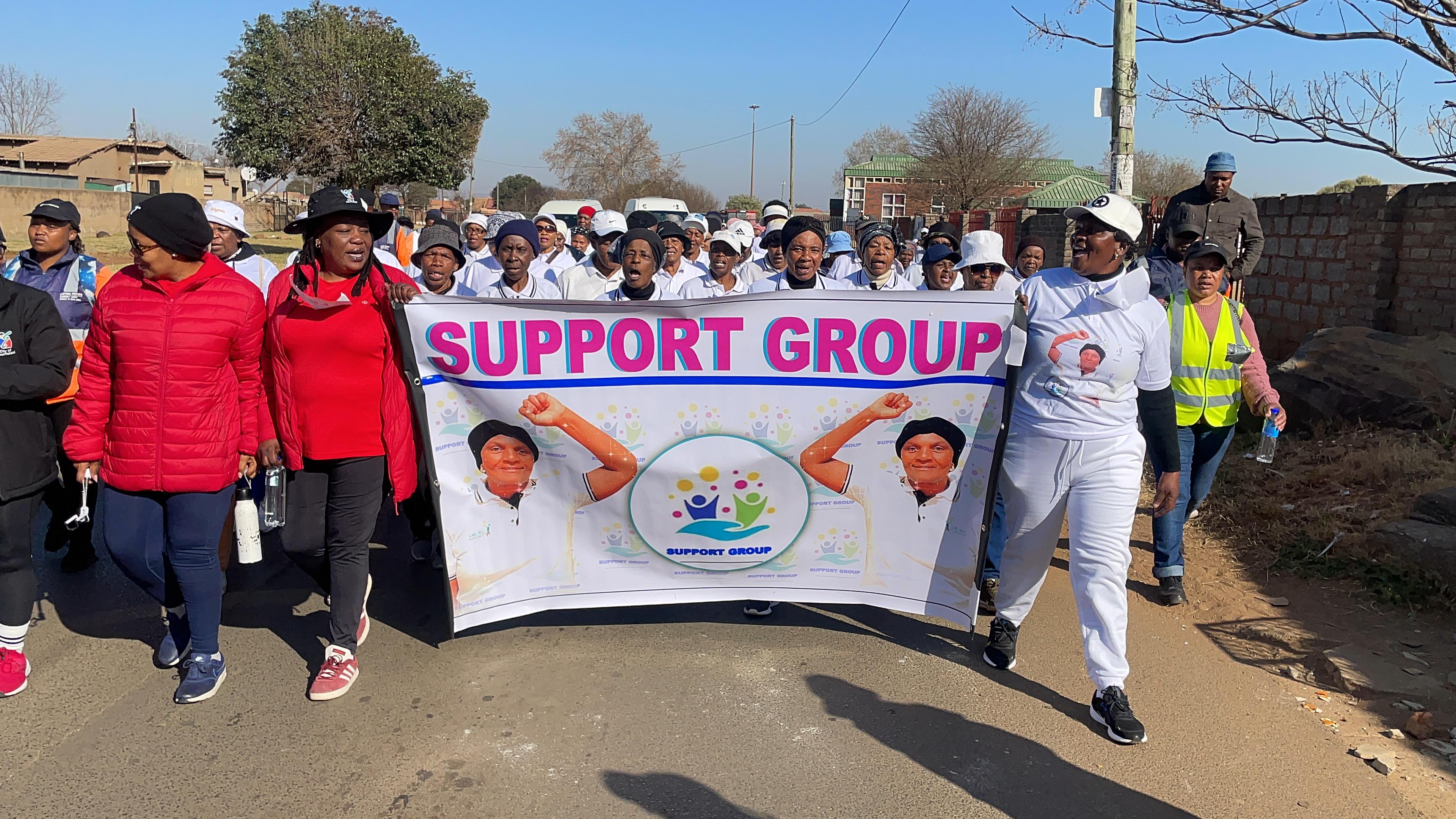
For the women of Sukuma Mbokodo, the benefits were tangible.
Many say their mobility has improved, their moods have lifted, and their sense of belonging has deepened since joining the group.
As the walkers crossed the finish line, the smiles and laughter told their own story.
This was more than a Women’s Month commemoration – it was a living example of what ageing with dignity and joy can look like.
With plans already underway for the Heritage Day celebration, Mbuli says she wants to keep the momentum going.
“Every month should be Women’s Month for our grannies.
‘We want them to keep moving, keep laughing, and keep showing the world that life doesn’t stop after 60 – it gets better.”
For Tshabalala and her fellow walkers, that message is already a reality.
“We’re not just sitting and waiting for time to pass,” she said. “We’re living it.”
In Thokoza, that means trading slippers for sneakers to take part in a fun walk.
For the gogos, it’s also a welcome change to quiet winter mornings when they can walk, chat, and laugh with others.
Age may be just a number, but for these grandmothers, it’s also a challenge they’re determined to take on.
Five Benefits of Active Ageing
- Better Physical Health: Regular exercise reduces the risk of chronic diseases like heart disease, diabetes, and arthritis. It also improves strength, balance, and flexibility, lowering the risk of falls.
- Improved Mental Wellbeing: Physical activity releases endorphins, helping fight depression and anxiety. Staying active also supports brain health and may delay memory decline.
- Stronger Social Connections: Group activities, like the Thokoza Fun Walk, help older adults avoid loneliness and isolation, which can be as harmful to health as smoking.
- Increased Independence: Good mobility and muscle strength mean elderly people can perform daily tasks without relying on constant assistance.
- Greater Sense of Purpose: Being part of community programmes fosters a feeling of belonging and achievement, boosting confidence and self-worth.
*(Source: World Health Organization & local health experts)