Pretoria – The adoption of Article 6.2 and 6.4 decision on carbon markets at the Convention on Climate Change 29th Conference of the Parties (COP29) will allow South Africa and other developing economy countries to initiate new projects.
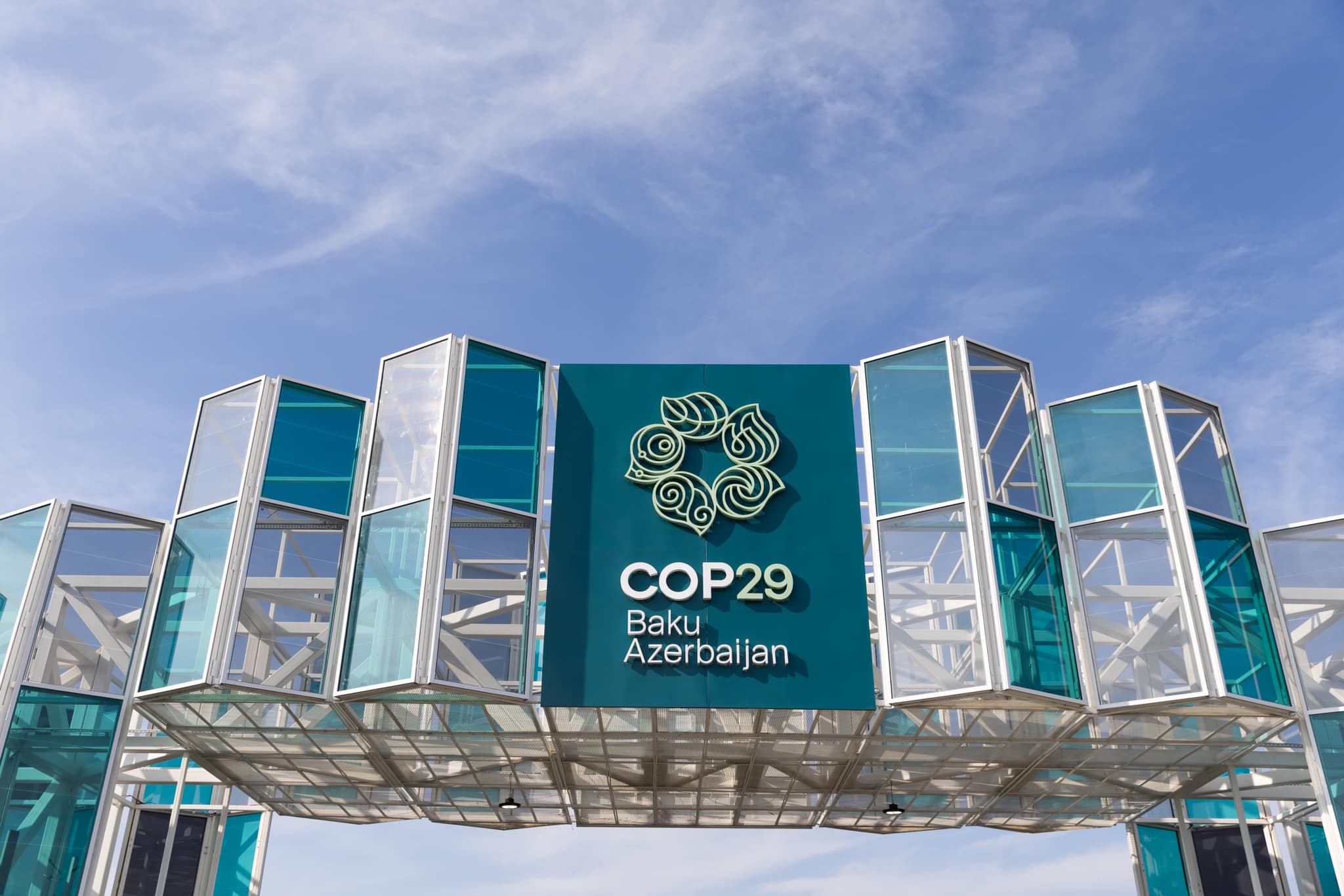
COP29 was concluded in the early hours of Sunday, (24 November 2024), in Baku, Azerbaijan.
Forestry, Fisheries, and the Environment Minister Dr. Dion George, on Monday, (25 November 2024), said he welcomes the outcomes COP29.
Following an intense two weeks of consultations and negotiations, parties adopted the Baku Climate Unity Pact consisting of a New Collective Quantified Goal (NCQG) on climate finance, Global Goal on Adaptation and Sharm el-Sheikh Mitigation Ambition and Implementation Work Programme as well as the key decisions on implementing the Paris Agreement’s Article 6.2 and 6.4.
The adoption of Article 6.2 and 6.4 decision on carbon markets will allow South Africa and other developing economy countries to initiate new carbon market projects which will facilitate investments in green technologies and economic opportunities.
Going into the negotiations, Minister George, who was also the leader of the South African delegation, was optimistic that parties would make meaningful decisions toward quantifying resources for developing economy countries to meet ambitious climate targets.
“There have been complaints from other parties about the leadership of the COP29 Presidency and that the decisions were not reached through full consensus,” said Minister George.
“However, for South Africa, the decisions that were adopted are a win.
“While we understand the frustration expressed by some parties, we do see the outcomes as a significant step in the right direction as it is more than what we had going into the negotiations and we can now build on that, especially given that South Africa will be the next President of the G20.”
With regard to the new finance goal, the developed economy countries have committed to mobilising at least USD300 billion per year by 2035 for developing economy countries for climate action.
The agreement also provides signals to private sector and multilateral development banks to scale up financing to developing economy countries to USD1.3 trillion per year by 2035.
“The decision underscores the importance of reforming the multilateral financial architecture, to make it fit for purpose to address the climate crisis,” said Maesela Kekana, Chief Negotiator, Deputy Director General for Climate Change and Air Quality Management at the Department of Forestry, Fisheries and the Environment.
“It also calls for scaled-up support for climate action from multilateral financial institutions through grant-based and concessional financing.”
Kekana explained that it further underscores the need to reduce barriers and address disenablers faced by developing economy countries such as limited fiscal space, high levels of debts, and high cost of capital.
Such a move would prevent such barriers and disenablers from becoming conditionalities for access by developing economy countries to climate finance.
South Africa’s negotiating team was particularly pleased about the decision on the Mitigation Work Programme, which was Co-Chaired by Minister George and his Norwegian counterpart, Tore O. Sandvik.
“The Mitigation Work Programme will provide further opportunities to share experiences and match investment needs with investors. I am pleased with the outcome,” said Minister George.
On adaptation, parties are on track to finalise the work on the adaptation indicators to track progress in the implementation of the global goal of adaptation, at COP30 in Brazil in 2025.
The Conference also welcomed the rapid institutionalisation of the Loss and Damage Fund.
Under the leadership of South Africa and France, the Fund is expected to disburse funds to climate-vulnerable communities in mid-2025.
The department said Team South Africa believes that COP29 was a huge success, which has inspired hope that we will be able to do more in the future.