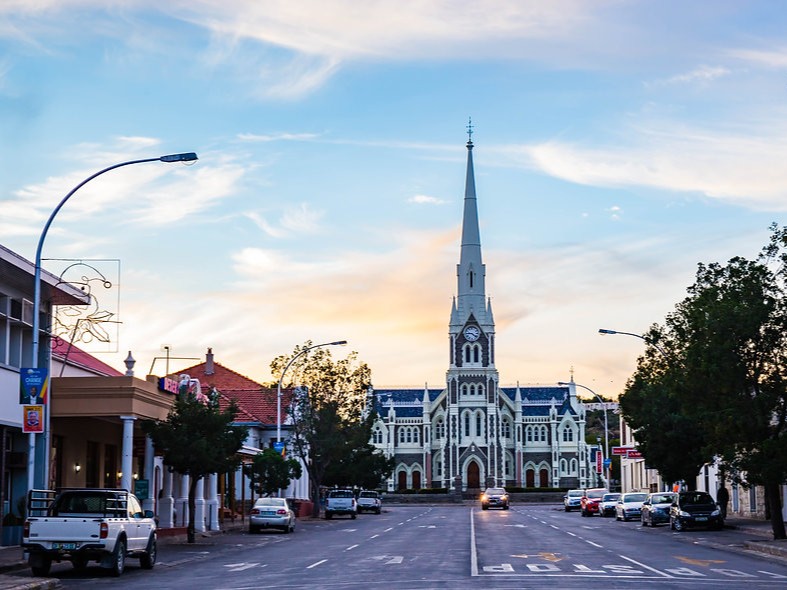
The renaming of Graaf-Reinet to Robert Sobukwe Town has reopened old wounds and stirred a fresh wave of resistance, with tensions flaring as some residents resort to acts of vandalism at Sobukwe’s grave.
The incident marks a grim echo of tactics once employed by apartheid authorities and, in recent memory, by elements within the current government, which only elevated anti-apartheid struggle hero Robert Mangaliso Sobukwe’s gravesite to a designated heritage site less than five years ago.
Witnesses say the vandalism, occurring 48 years after Sobukwe’s death, underscores a stubborn truth: Sobukwe’s ideals continue to unsettle those who oppose his vision.
For many, the act is a visceral reminder that his legacy remains potent, a figure whose influence “refuses to die” despite repeated attempts to erase or rewrite history.
The night’s desecration has left a stark message for supporters: Sobukwe’s message still resonates, and his memory continues to galvanize opposition five decades after his passing.
The town itself sits on a historic crossroads.
It is also the birthplace of Anton Rupert (1916–2006), the celebrated businessman and philanthropist whose work in conservation and economic development helped shape the town’s modern character.
Rupert’s legacy remains a touchstone of local pride, even as debate about the name change persists.
Newzroom Afrika was the only national news outlet to report on the scene today, though its coverage did not show the vandalised grave, according to newsroom sources.
This selective focus has left many calling for a fuller, more contextual report on the incident and its broader political implications.
Antagonism has sharpened in the lead-up to what is described as a mass mobilisation.
Organisers say a march was planned for 26 February 2026, the eve of Sobukwe’s death anniversary, to oppose the renaming.
A parallel counter-march, organised by residents of Masizakhe township just outside the town, sought to affirm the name change and honor Sobukwe’s legacy.
The date, chosen to coincide with a moment of historic significance, has intensified the sense of a political deadline: a verdict on how the town will remember its past and guide its future.
Some locals, self-identified as verkrampt or “the startled,” frame Sobukwe as a defier of the undefiable.
They argue that his legacy transcends the boundary of a single municipality and belongs to the nation’s broader history of resistance.
Others insist that memory must be guided by reconciliation and forward-looking development, even if that means renaming places that once symbolised the brutalities of apartheid.
An excerpt from a 1959 speech commonly invoked by Sobukwe supporters—delivered on what is known as Heroes’ Day—continues to reverberate in the public discourse.
In that address to the Pan Africanist Congress (PAC), Sobukwe, the party founder, spoke of drawing inspiration from Africa’s heroic past and of waging “total war against white supremacy.”
For supporters, the speech embodies a call to steadfastly defend fundamental rights and to keep pressing for systemic change; for opponents, it is a reminder of a past era whose rhetoric may inflame resentments and jeopardise social cohesion.
Analysts say the current debate over the town’s name is less about nomenclature and more about who is allowed to define national memory.
The renaming project, which local authorities say honours Sobukwe’s contribution to liberation and anti-imperialist struggle, has become a proxy battle over how to recognise and reconcile the country’s complex history.
Community leaders stress the importance of safeguarding remembrance without inciting violence.
They advocate for open dialogue, inclusive commemorations, and efforts to ensure that any future heritage status for Sobukwe’s grave site is accompanied by robust security, respectful access, and educational programming that situates Sobukwe’s ideas within a broader, multi-faceted historical narrative.
As Graaf-Reinet, soon-to-be renamed Robert Sobukwe Town, continues to navigate its identity, residents on all sides of the debate acknowledge one enduring truth: Sobukwe’s legacy continues to provoke intense emotion and sustained political reflection, even five decades after his death.
Whether this will translate into lasting unity or persistent division remains to be seen, but the town’s future now hinges on how it chooses to memorialise a figure whose life and writings have left an indelible mark on South African history.
This happens at a time when the organisation founded by Sobukwe, the PAC, appears fractured by its involvement in the Government of National Unity.
The vandalism of Sobukwe’s grave underscores deeper tensions within the movement.
The PAC’s core principles—bold redress for past injustices and the restoration of African land as articulated in its foundational documents—remain non-negotiable in its quest for meaningful change.
Yet the coalition dynamics it participates in are strained by divergent moral narratives, highlighting the challenge of pursuing redress when partners in government may hold contrasting visions for justice and policy.
Against this backdrop, questions arise about the viability of a coalition whose member parties, including the Freedom Front Plus and the Democratic Alliance, sit at opposite ends of the political spectrum, while the PAC remains steadfast in its demand for strong redress.
The central dilemma is whether such disparate moral commitments can coexist within a governing alliance long enough to deliver tangible outcomes, or whether the alliance will devolve into stalemate.
The desecration of Sobukwe’s grave intensifies the debate about whether the coalition can reconcile its differences to honor the legacy of redress and land restitution that the PAC champions.
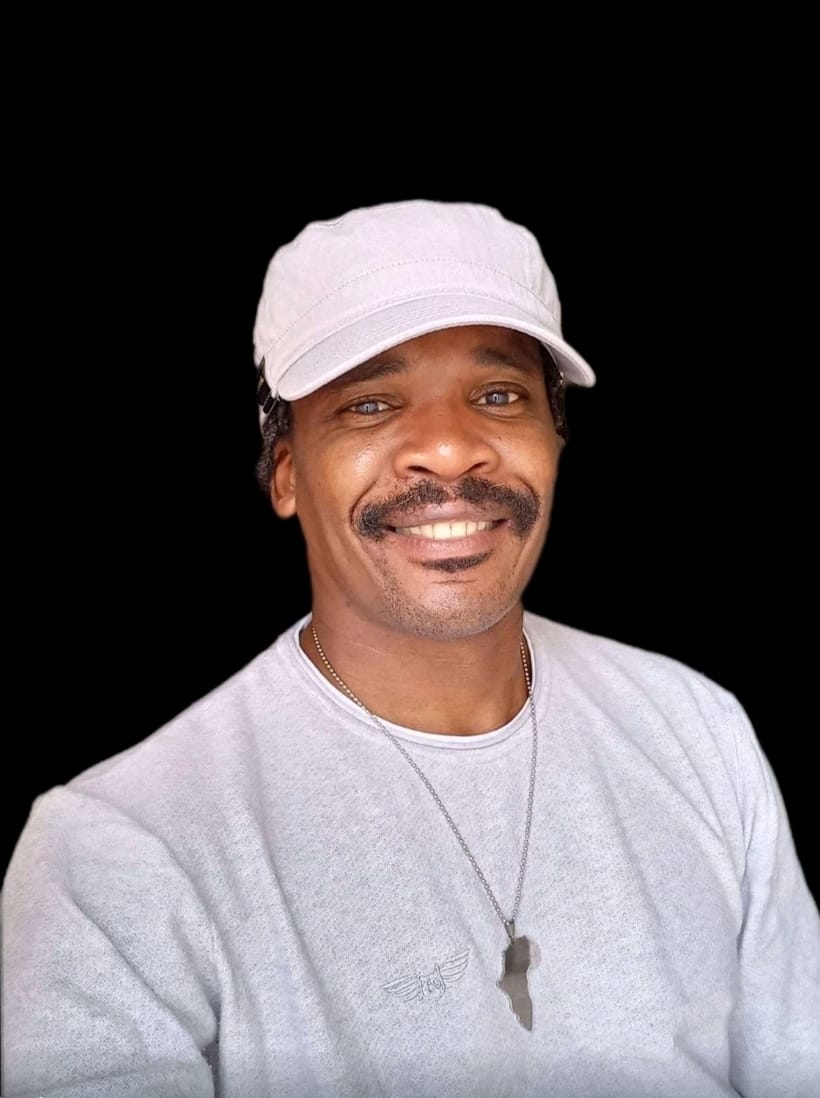
*Xola ‘eXTee’ Tyamzashe is an APLA veteran. and a prominent figure in South African history and politics, known for his contributions to the Pan-Africanist movement. The views expressed by Xola ‘eXTee’ Tyamzashe are not necessarily those of The Bulrushes