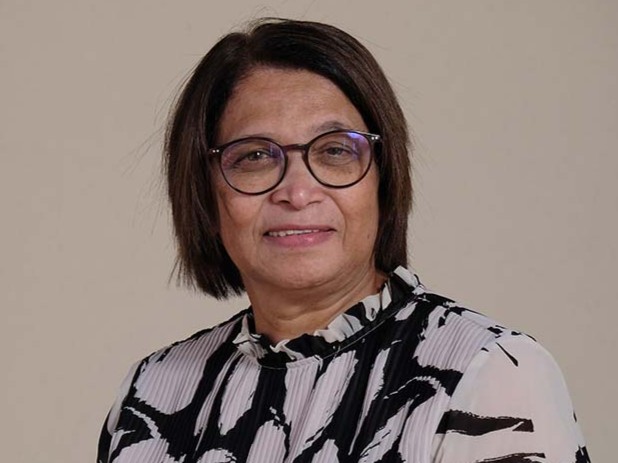
Johannesburg – Deputy Vice-Chancellor for Academic Affairs of the University of the Free State (UFS) Professor Anthea Rhoda has come under fire from Afriform over her instruction to limit the use of Afrikaanse.
The deputy vice-chancellor has announced that Afrikaans instruction at the UFS in all modules, except the subject Afrikaans, must be discontinued immediately.
The move announced on Friday, 13 June 2025, aligns with UFS’s broader language policy, which prioritises English as the primary medium of instruction.
Irked by the move, AfriForum on Friday, 13 June 2025, said it regards the instruction of the Deputy Vice-Chancellor for Academic Affairs of the UFS, Prof Anthea Rhoda, as “clear evidence of her agenda against Afrikaans and therefore also Indigenous languages, at the expense of academic excellence and service to the community”.
Alana Bailey, AfriForum’s Head of Cultural Affairs, said Professor Rhoda’s instruction focuses on the use of the language, “without any academic foundation” for the decision or consideration of the benefits of mother-language education.
“Regardless of what the language policy of the university determines, there should be room to serve the needs of students,” remarked Bailey.
“The university is an asset to the community of the Free State and is funded, among other things, by their tax money.
“Sesotho speakers are the largest language community in the Free State, with Afrikaans in second place.
“More should therefore be done to promote these languages so that the students who are educated here can serve the community of the province.
“Therefore, if students and lecturers want to accommodate more languages than English and this can be done without excluding anyone, the language policy should be flexible and allow for this.”
Bailey stated that the changing demographics of university communities entail that their language needs also change, which is precisely why the language policies of South African public universities determine that they must be reviewed regularly.
AfriForum was involved in a protracted court battle against the university, which concluded with the Constitutional Court ruling in 2017 in favour of an English language policy, but with room for faculties to make concessions.
The university then also opened a language centre in 2021 to promote more languages on campus.
“Rhoda’s order is clearly a step backward in this regard,” Bailey said.
“It is indicative of the unwillingness of government-supported institutions to serve the country’s indigenous languages and their speakers and highlights why it is essential to support private tertiary educational institutions like Akademia to protect and promote mother-language education.”